Australian Museum
Australian Museum
Australia's first public museum, founded in Sydney in 1827. Natural history, wildlife, paleontology and First Nations cultures overlooking Hyde Park.
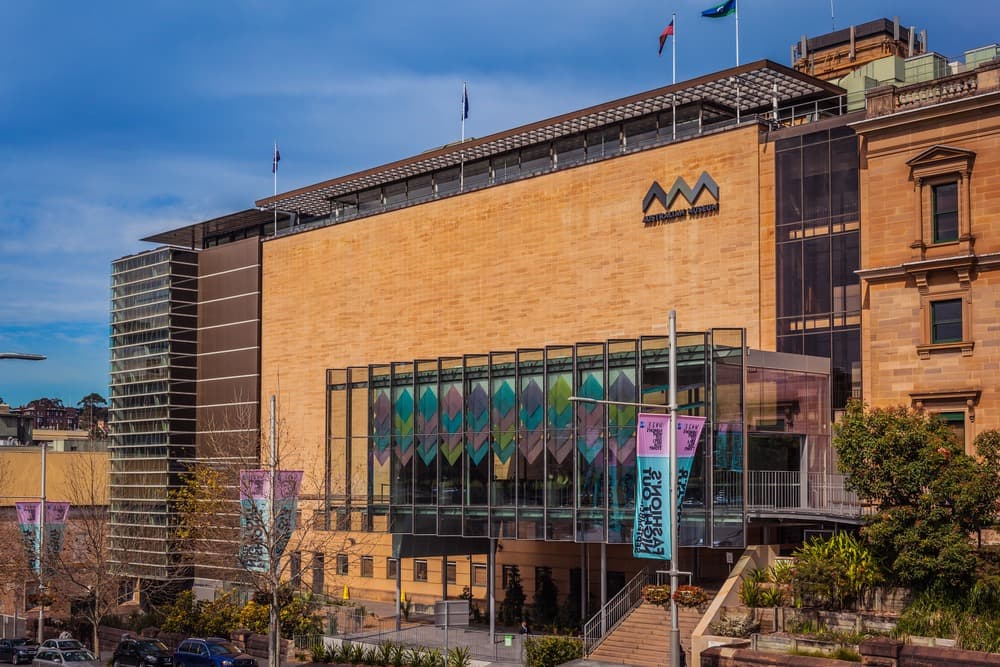
Founded in 1827, the Australian Museum is Australia's first public museum. Located opposite Hyde Park, in the heart of Sydney, it holds over 21 million cultural and scientific objects dedicated to the natural history of the continent and Pacific cultures.
Why visit the Australian Museum
- Australia's oldest public museum, founded two centuries before modern Sydney.
- Reference collections on Australian wildlife, paleontology and First Nations peoples.
- Rare iconic pieces: Egyptian mummy, Tasmanian tiger cub, Australia's first banknote.
- Central location steps away from Hyde Park and St Mary's Cathedral.
- Family-friendly format with interactive spaces and educational galleries.
Museum history
The institution was established in Sydney in 1827 under the name Museum of Sydney (or Colonial Museum), with the mission to gather natural history specimens. It initially occupied the former post office building at Macquarie Place. In 1836, it took its current name, the Australian Museum.
The design of a dedicated building was entrusted to colonial architect Mortimer Lewis. Construction began in 1846 on William Street, near Hyde Park, and was completed in 1857. The museum opened with a single exhibition gallery, which expanded over decades as collections grew. In 2008, a new eastern wing was created to house the scientific team and reserves.
What to see
Permanent exhibitions
- Pacific Spirit: cultures and skills of Pacific peoples.
- First Nations Gallery: objects and stories of Aboriginal and Torres Strait Islander peoples.
- Wild Planet: panorama of biodiversity, species evolution and classification.
- Surviving Australia: endemic fauna of the continent, from marsupials to venomous species, alongside dinosaur skeletons.
- Westpac Long Gallery: exhibition titled "200 treasures of the Australian Museum", bringing together the most iconic pieces.
Must-see pieces
Highlights include an Egyptian mummy, a Tasmanian tiger cub preserved in a jar—a species now extinct—and Australia's first banknote. The mineralogy gallery completes the collection with a selection of Australian gems and minerals.
The programme is supplemented by temporary exhibitions (prehistory, wildlife photography, indigenous cultures), lectures, screenings and workshops. Several interactive features and mobile apps guide your visit.
Practical information
- Address: main entrance at the corner of William Street and College Street, facing Hyde Park.
- Visit duration: allow 2 to 3 hours to explore the main galleries, longer with a temporary exhibition.
- Admission: general admission to permanent collections is free; temporary exhibitions are usually ticketed (moderate prices, frequent free entry for children).
- Opening hours: open daily during daytime hours, closing in late afternoon. Check current hours before visiting.
- Dining: the restaurant No. 1 William, on level 4, offers views over Hyde Park, the harbour and St Mary's Cathedral; the Billabong Waterhole café, on level 2, serves snacks and beverages.
- Shop: the Australian Museum Shop stocks crafts, books, jewellery, fossils and minerals.
How to get there
The museum is located in central Sydney, at the south-east corner of Hyde Park.
- By train: Town Hall and St James stations are about 5 minutes' walk away.
- On foot: from Town Hall, allow about ten minutes heading east up Park Street.
- By bus: several bus routes serve the edges of Hyde Park.
- By car: no on-site parking; plan to park on nearby streets or in a CBD public car park.
Nearby
The central location makes it easy to explore other Sydney sites:
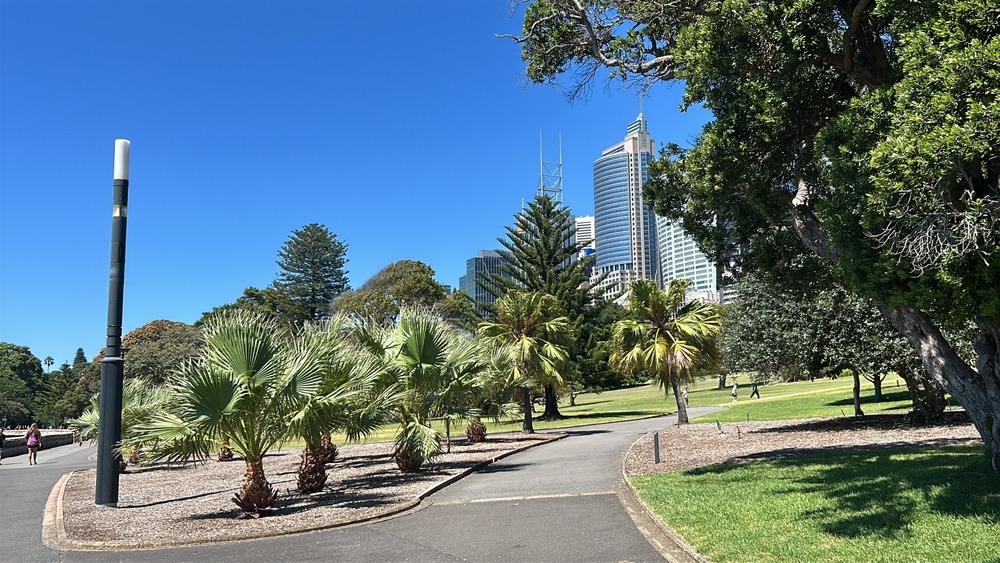
- Hyde Park, right opposite, for a green break.
- St Mary's Cathedral, a few minutes' walk away.
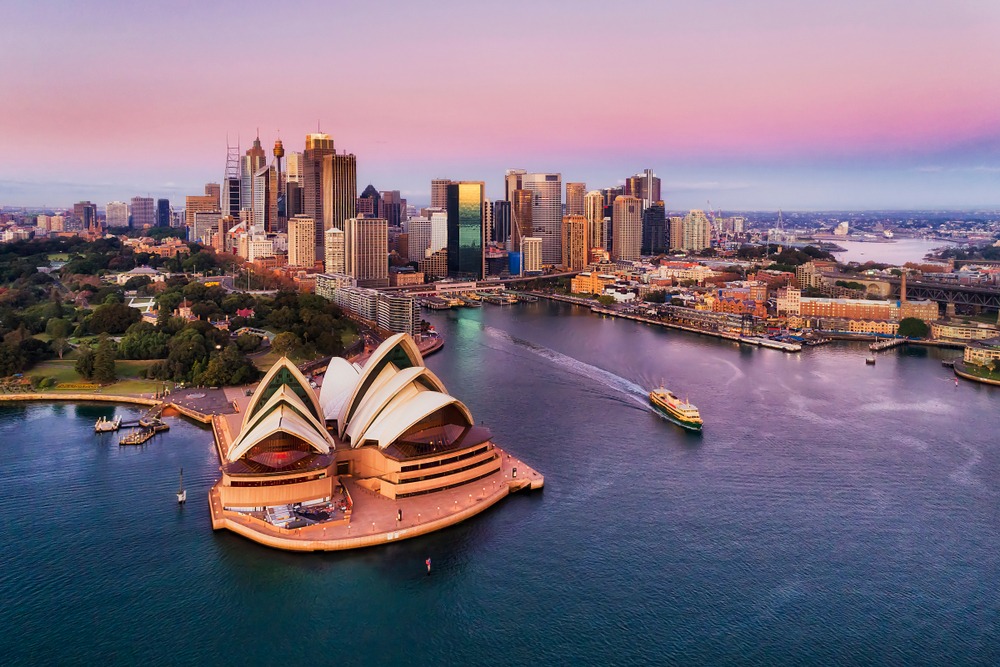
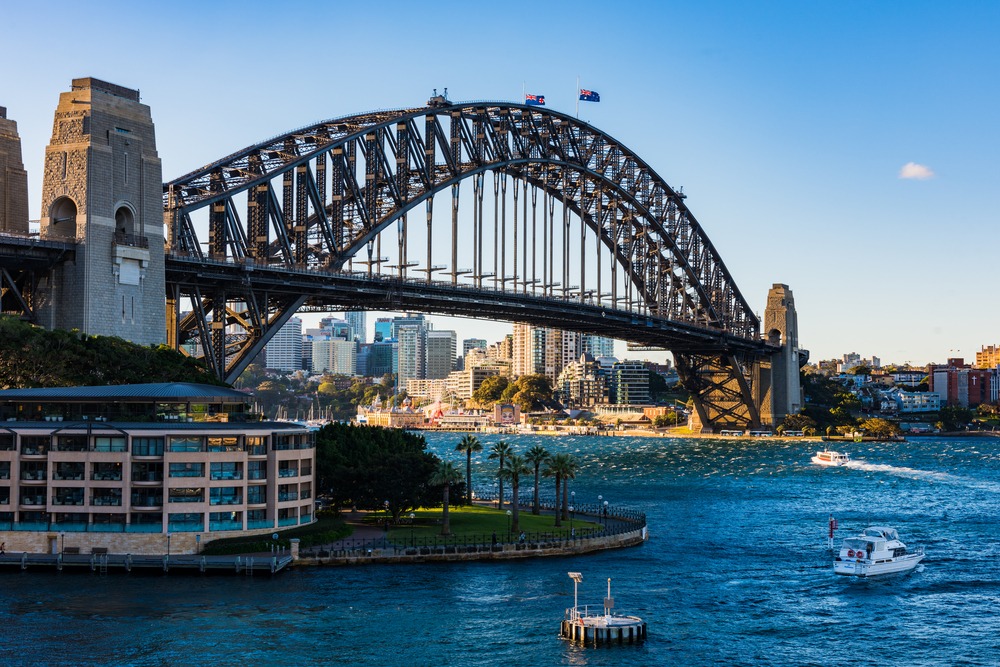
- The historic The Rocks precinct and Sydney Harbour, accessible on foot or by train.
To extend your exploration beyond the city, see our Sydney guide and Australia's natural attractions such as Cradle Mountain National Park or Adventure Bay on Bruny Island. For an immersion in Aboriginal art, the Injalak Art Centre makes a fitting complement to the First Nations gallery.
Frequently asked questions
Frequently asked questions
General admission to permanent collections is free. Temporary exhibitions are usually ticketed, with moderate prices and discounts for children and families.
Allow 2 to 3 hours to explore the main galleries. Plan for half a day if you're adding a temporary exhibition or visiting with children.
Yes. The Wild Planet and Surviving Australia galleries, with their dinosaur skeletons and Australian wildlife animations, are particularly popular with young visitors. Interactive features and a dedicated space enhance the experience.
Town Hall and St James stations are the closest, about 5 minutes' walk away. Several bus routes also serve Hyde Park.
No, the museum has no on-site parking. If you drive, you'll need to park on nearby streets or in a public car park in central Sydney.
Include the Australian Museum in your trip
A visit to the Australian Museum fits naturally into a Sydney stay, complementing the Harbour, Opera House and Blue Mountains. To build a bespoke itinerary combining coastal cities, deserts and national parks, explore our Australia travel suggestions.
Nearby
Interested in this visit?
We can include it in your personalised itinerary.