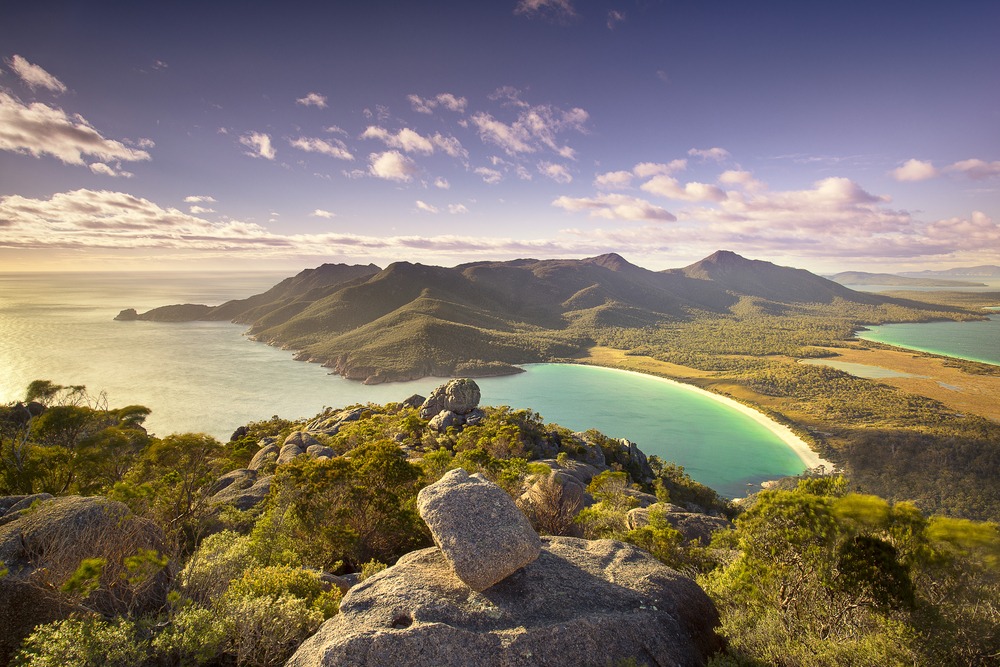
Tiwi Islands
Some 80 km north of Darwin, the Tiwi Islands are home to one of Australia's most vibrant Aboriginal cultures. Carved funeral poles, art workshops and untouched tropical forest, far from the beaten path.
Approximately 80 kilometres north of Darwin, the Tiwi Islands form an archipelago of two large islands — Bathurst and Melville — separated from the mainland by Clarence Strait. Home to the Tiwi people, the archipelago is one of Australia's rare places where a living Aboriginal culture remains central to daily life. Art, ceremonies, craftsmanship and pristine nature exist here far from conventional tourist routes.
Practical information at a glance
- Access: Ferry from Darwin (Cullen Bay) or charter flight to Bathurst Island (Nguiu/Wurrumiyanga) — advance booking essential.
- Permit required: A visitor permit is mandatory to enter the Tiwi communities; it is typically included in organised tours.
- Recommended duration: A full day minimum; two-day stay to explore beyond Wurrumiyanga.
- Season: Dry season (May to October) recommended — roads passable, heat manageable.
- Dress code: Respectful attire required in communities; follow local guidance.
What to see
Wurrumiyanga, the main village on Bathurst Island, concentrates the principal points of interest accessible to visitors. Here you'll find Tiwi art workshops, a historic Catholic mission and carved and painted pukumani funeral poles, characteristic of local culture. The dry tropical forest and isolated beaches of Melville Island, the largest island in the Northern Territory, offer pristine natural surroundings.
History and context
The Tiwi have lived on this archipelago for at least 6,000 years, developing a culture distinct from the rest of Aboriginal Australie, particularly due to their geographical isolation. First European contact dates to the 17th century with Dutch navigators. A Catholic mission was established on Bathurst Island in 1911, leaving an architectural mark still visible today. Today, the Tiwi manage their own lands and cultural economy.
Highlights of the visit
The pukumani poles
These painted wooden funeral sculptures, erected during Kulama and Pukumani ceremonies, are the most emblematic artistic expression of Tiwi culture. Each pole is unique, created by an artist from the deceased's family. Some older examples are housed in Australian museums; the most recent can be seen in the communities.
Tiwi art workshops
Tiwi Design, a cooperative founded in the 1960s, produces screen-printed textiles, ceramics and bark paintings recognisable for their geometric and figurative motifs. Buying directly from the workshops supports local artists and guarantees the authenticity of the works.
Bathurst Island Catholic mission
Founded in 1911 by Father Francis Xavier Gsell, the mission left behind a church and several historic buildings at Wurrumiyanga. The architecture blends European influences with local materials, bearing witness to a complex period of cultural contact.
Etiquette and visiting rules
- Never photograph a person, ceremony or sacred site without explicit permission.
- Certain areas of the islands are off-limits to unaccompanied visitors — stay with your guide.
- Alcohol is subject to strict restrictions in Tiwi communities; check before you go.
- Respect local guidance regarding visiting times and locations.
Photography tips
Morning light is ideal for photographing pukumani poles and the mission buildings. Melville Island's beaches offer stunning coastal panoramas in late afternoon. Always seek permission before photographing people or artworks in the workshops.
Location and access
The Tiwi Islands are located in the Timor Sea, approximately 80 km north of Darwin. The ferry departs from Cullen Bay Marina; charter flights serve Bathurst Island. The vast majority of visitors travel on an organised tour, which simplifies permit arrangements and community access. No public transport serves the archipelago.
Nearby attractions
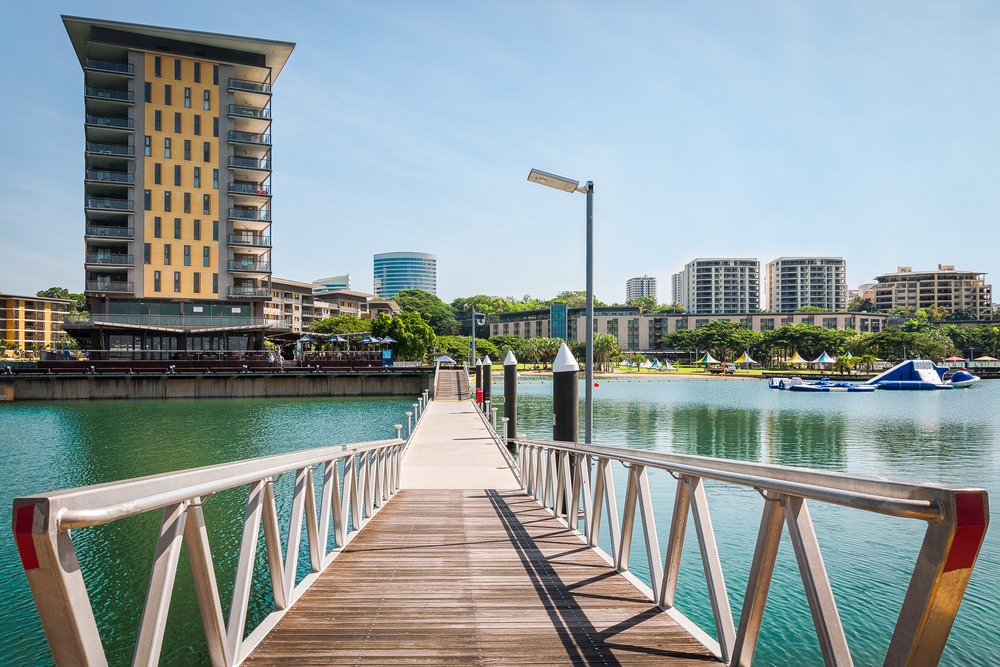
- Darwin Waterfront — departure point for the ferry, Darwin's waterfront offers restaurants and public pool.
- Kakadu National Park — a few hours from Darwin, rock art and exceptional biodiversity.
- Litchfield National Park — waterfalls and magnetic termite mounds accessible on a day trip from Darwin.
- Northern Territory Museum and Art Gallery — in Darwin, significant collection of Tiwi art to enhance your visit.
Frequently asked questions
Yes, a permit is mandatory to enter the Tiwi communities. It is typically included in organised tours from Darwin — this is the easiest way to visit the archipelago.
The dry season, from May to October, is ideal. Roads are passable, heat is more manageable and there is no cyclone risk. During the wet season, access to certain areas may be impossible.
Technically possible, but very difficult without an organised tour. Local guides facilitate permit arrangements, access to workshops and understanding of Tiwi culture. A guided visit is strongly recommended.
Yes, workshops in Wurrumiyanga sell textiles, ceramics and paintings directly. Buying on site guarantees authenticity and directly supports the community's artists.
One day is sufficient to discover Wurrumiyanga and its main highlights. Two days allow you to explore more of Bathurst Island and consider a trip to Melville Island.
It is permitted in many places, but always subject to explicit consent from individuals and site managers. Certain ceremonies and sacred areas are strictly off-limits for photography.
Interested in this visit?
We can include it in your personalised itinerary.