Ubirr
Ubirr
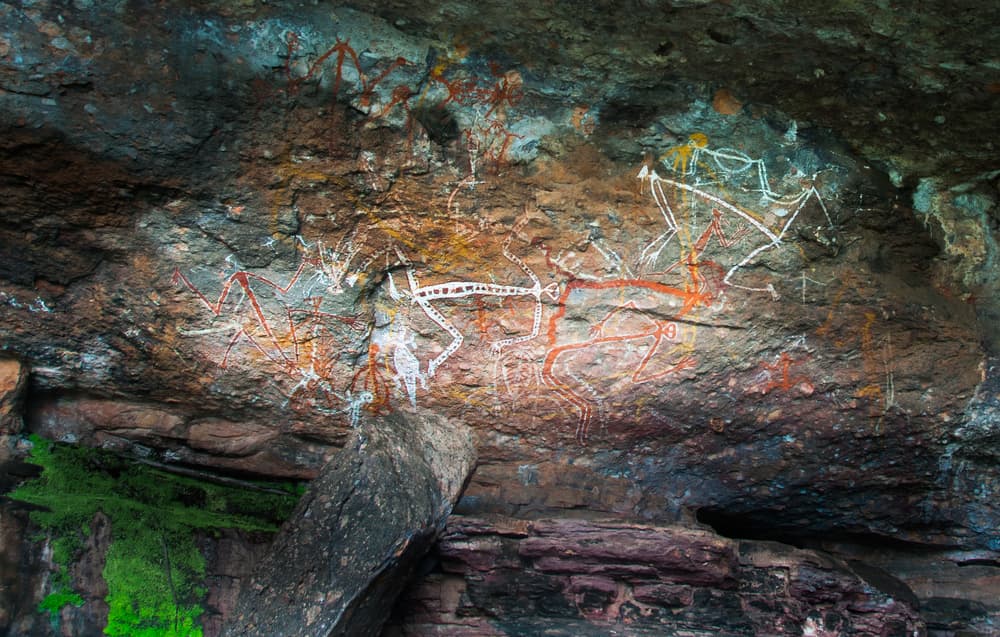
Ubirr, nestled within Kakadu National Park, hosts galleries of Aboriginal rock art among the world's best-preserved, alongside an exceptional vantage point over the flood plains of Australia's Northern Territory.
Ubirr is a rocky outcrop situated within Kakadu National Park in Australia's Northern Territory. This site shelters some of the world's finest-preserved Aboriginal rock paintings, created by the Bininj/Mungguy people over millennia. The panorama from the summit across the East Alligator River flood plains adds a rare natural dimension to this cultural and spiritual experience.
Quick facts at a glance
- Access: Sealed road from Jabiru (approximately 40 km); the road may close during the wet season (November–April).
- Entry: Included in Kakadu National Park pass (fee-paying).
- Recommended duration: 2 to 3 hours for the complete gallery circuit and ascent to the lookout.
- Attire: Closed-toe shoes recommended for rocky trails; hat and water essential.
- Accessibility: The main gallery is accessible; the trail to the lookout features steps and is not wheelchair-friendly.
- Seasonal closure: The site may close during the wet season due to flooding; check road conditions before travelling.
What to see
Three rock art galleries punctuate the walking circuit. The works depict animals (barramundi, turtles, kangaroos), human figures, and Dreamtime beings. The distinctive "X-ray style"—revealing the internal organs of animals—is particularly prominent at Ubirr. Some layers of paintings overlap across thousands of years.
History and context
The Bininj/Mungguy people have inhabited this country for at least 40,000 years. Ubirr is a living sacred place: the paintings are far more than artistic representations—they transmit laws, narratives, and knowledge. Kakadu National Park, inscribed as a UNESCO World Heritage Site for both its natural and cultural values, is jointly managed by the traditional owners and Parks Australia.
Highlights of your visit
The main gallery
The greatest concentration of paintings shelters within a natural rock overhang. The X-ray style figures reach their most elaborate expression here. Bilingual interpretation panels (English and Bininj) explain the significance of each motif.
The lookout at sunset
A short climb of a few minutes leads to Ubirr's summit. The view across the Nadab flood plains, the meandering East Alligator River and, on clear days, toward Arnhem Land, is breathtaking. Sunset from this vantage point ranks among the Northern Territory's most photographed moments.
The Contact Gallery
This section illustrates the first encounters between Aboriginal peoples and Makassan seafarers (Indonesian collectors of sea cucumbers). The depictions of boats and foreign figures bear witness to well-documented pre-colonial trade exchanges.
Etiquette and visiting guidelines
- Never touch the paintings: skin oils accelerate their deterioration.
- Some areas are reserved for traditional owners; respect all prohibition signs.
- Photography of the paintings is generally permitted for personal use, but check any restrictions posted on site.
- Maintain a calm and respectful demeanour: Ubirr is an active spiritual place, not merely an open-air museum.
Photography tips
Golden light in late afternoon is ideal for photographing the paintings without glare. For the panorama from the lookout, arrive 30 to 45 minutes before sunset to secure your position. A wide-angle lens showcases the expanse of the flood plains. Avoid using flash on the paintings.
Location and access
Ubirr sits in the northern zone of Kakadu National Park, roughly 40 km north of Jabiru, the park's principal town. The Arnhem Highway and Ubirr Road provide vehicular access. No regular public transport serves the site; a private vehicle or organised guided tour departing from Darwin or Jabiru is necessary. Darwin lies approximately 300 km to the west.
Nearby attractions
- Nourlangie (Burrungkuy) — Another major Kakadu rock art site, featuring the Anbangbang gallery and a lookout over the Arnhem Land massif.
- Yellow Water (Ngurrungurrudjba) — The park's iconic billabong, ideal for spotting crocodiles, jacanas and water birds on dawn cruises.
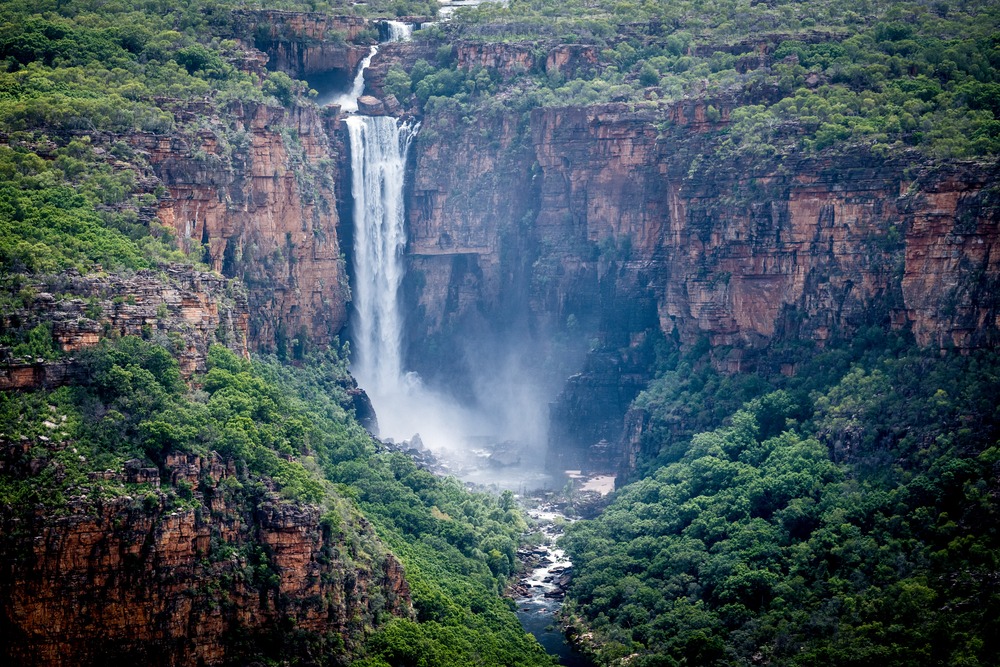
- Jim Jim Falls — Spectacular waterfalls accessible in the dry season, deep within the Arnhem Land sandstone plateau.
- Jabiru — The park's service town with accommodation, supermarket and Bowali information centre.
Frequently asked questions
The dry season (May to October) is recommended. Roads are passable, temperatures are manageable, and wildlife congregates around water sources. During the wet season, access roads may be flooded and the site closed.
Self-guided visits are possible thanks to interpretation panels along the circuit. An Aboriginal guide or Parks Australia ranger will significantly deepen your understanding of the paintings and their cultural meaning.
The two sites are roughly 100 km apart via the park's internal road. A combined visit is feasible but demanding; plan for a full day and depart early to avoid midday heat.
Photography of the paintings is generally permitted for personal use. Certain areas or figures may be subject to cultural restrictions marked on site. Flash is prohibited to preserve the pigments.
The main gallery is accessible over relatively flat terrain. The trail to the lookout features steps and rocky sections; it is not wheelchair-accessible.
Ample water (heat can be intense), hat, sunscreen and slip-resistant closed-toe shoes for the rocky trail. No refreshment facilities are available on site.
Interested in this visit?
We can include it in your personalised itinerary.