Bivouac Bay
Bivouac Bay
Secluded cove in Tasman National Park, accessible via a 10 km trail from Fortescue Bay, featuring a diveable wreck and beachside camping.
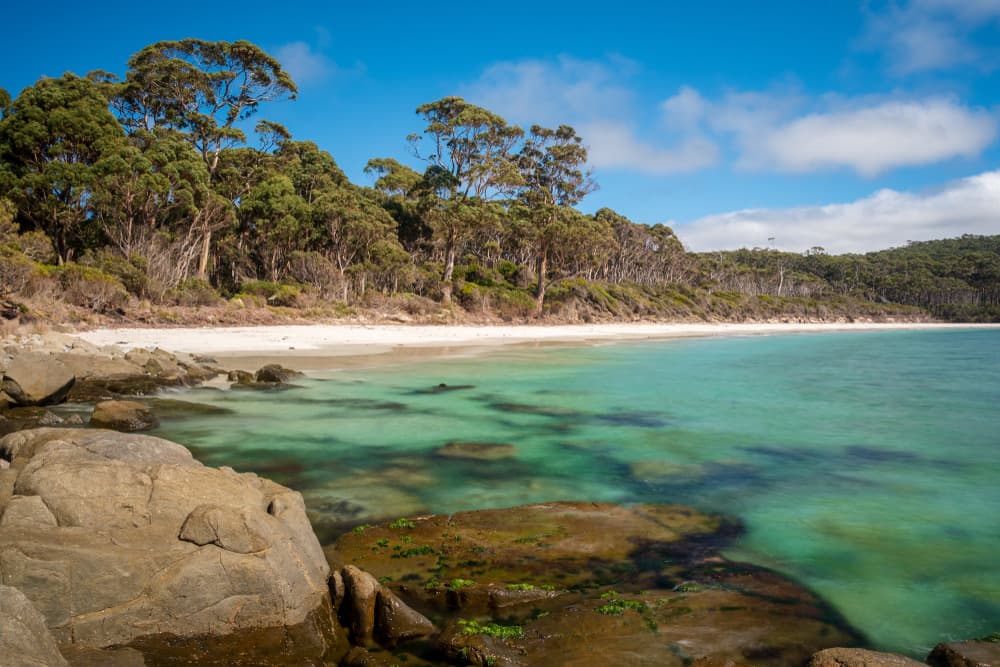
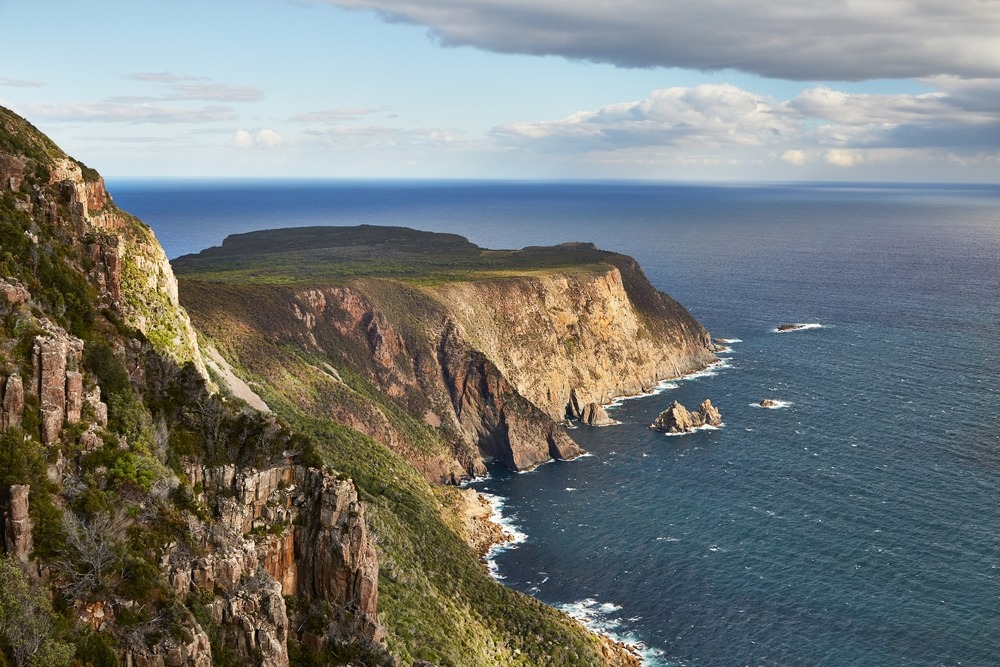
Bivouac Bay is a cove within Tasman National Park, on the peninsula of the same name, accessible only on foot from Hobart. The 10 km round-trip trail connects Fortescue Bay to an isolated beach, hugging a coastline carved from dolerite and fringed with eucalyptus forests. Along the way, the William Pitt wreck rests in the waters of Canoë Bay, and a suspension bridge crosses Walker Creek before reaching Bivouac Bay's campground.
Why Visit Bivouac Bay
Bivouac Bay combines three rare elements in a single walk: a pristine coastline, a snorkeling site on a wreck, and free beachside camping. The trail remains manageable for intermediate walkers (approximately 4 hours round-trip), while offering the chance to extend the experience with a night under the stars. Unlike busier park locations, foot-only access keeps visitor numbers low: the cove remains peaceful, even during peak season.
What to See Along the Trail
The walk begins at Fortescue Bay's picnic area. After crossing the beach, the trail climbs gently through eucalyptus forest, then follows the coast to Bivouac Bay.
- Canoë Bay and the William Pitt Wreck: about one hour's walk from Fortescue Bay. This coastal vessel was deliberately sunk in 1970 to serve as a breakwater. The wreck lies in shallow water and remains accessible for snorkeling in calm conditions.
- Walker Creek: a suspension bridge spans the stream amid dense vegetation where giant ferns mingle with eucalypts.
- Bivouac Bay Cove: the end of the main trail, after a few short but steep climbs. Sheltered beach, safe swimming possible, camping area just inland.
- Viewpoint toward Waterfall Bay: from Bivouac Bay, a secondary trail leads 700 meters to an outlook over Fortescue Bay and Cape Hauy.
- Marine and Terrestrial Wildlife: seabirds year-round, seals and dolphins frequent along the coast, humpback whales and southern right whales during migration between May and November.
Camping at Bivouac Bay
Camping is basic but functional: log benches, composting toilets, and fresh water drawn from Bivouac Creek (which must be filtered or boiled). No reservation required, making it a popular stop for Tasman Coast Trail hikers. During peak season (December–February), aim to arrive in early afternoon to secure a good spot.
The site is a 2-hour walk from Fortescue Bay, or a 6-hour trek from Devils Kitchen via the Tasman Coast Trail, for a longer and wilder approach.
Practical Information
- Distance: 10 km round-trip from Fortescue Bay.
- Duration: approximately 4 hours of walking, excluding breaks.
- Level: intermediate, moderate elevation gain, some steep sections.
- National Park Pass: a Parks Tasmania pass is required (daily, holiday, or annual). Rates and options updated on the official Parks Tasmania website; available online or at visitor centers. Free for children under 5.
- Gear: hiking boots, water (1.5 to 2 liters per person), windproof jacket, trail map. Mobile coverage is partial.
- Safety: register your departure at the trailhead sign-in books or notify someone. Tasmanian weather changes rapidly, even in summer.
When to Go
The trail is open year-round. Southern spring (September to November) and autumn (March to May) offer the most comfortable temperatures for walking. Summer (December–February) is best for swimming and snorkeling on the Canoë Bay wreck, with warmer water. Winter is quiet but windy, with short days: best suited to experienced hikers.
How to Get There
Bivouac Bay is reached from Hobart by car in approximately 1.5 hours to the trailhead. Take Arthurs Highway (A9) toward Sorell, then continue onto the Tasman Peninsula toward Port Arthur. Before reaching Port Arthur, a signposted road leads to Fortescue Bay: a 12 km gravel track, drivable in a standard car in dry weather, ending at the picnic area and campground where the trail begins.
Nearby Attractions
- Cape Raoul: another iconic walk on the Tasman Peninsula, along dramatic dolerite cliffs.
- Adventure Bay on Bruny Island: beaches, marine wildlife, and history of early European explorers, a day trip from Hobart.
- Cradle Mountain National Park: an alpine massif in north-west Tasmania, gateway to the famous Overland Track.
- Hobart: Tasmania's capital, the ideal base for exploring the Tasman Peninsula.
Frequently Asked Questions
Frequently asked questions
Plan Your Trip
Bivouac Bay fits naturally into a Tasmanian itinerary centered on the Tasman Peninsula and south-east coast. To design a custom trip combining hiking, wildlife, and nature, explore our travel ideas for Australie.

Interested in this visit?
We can include it in your personalised itinerary.