Eaglehawk Neck
Eaglehawk Neck
Narrow isthmus of the Tasman Peninsula, 90 minutes from Hobart: remarkable geological formations, penitentiary history, and gateway to Port Arthur.
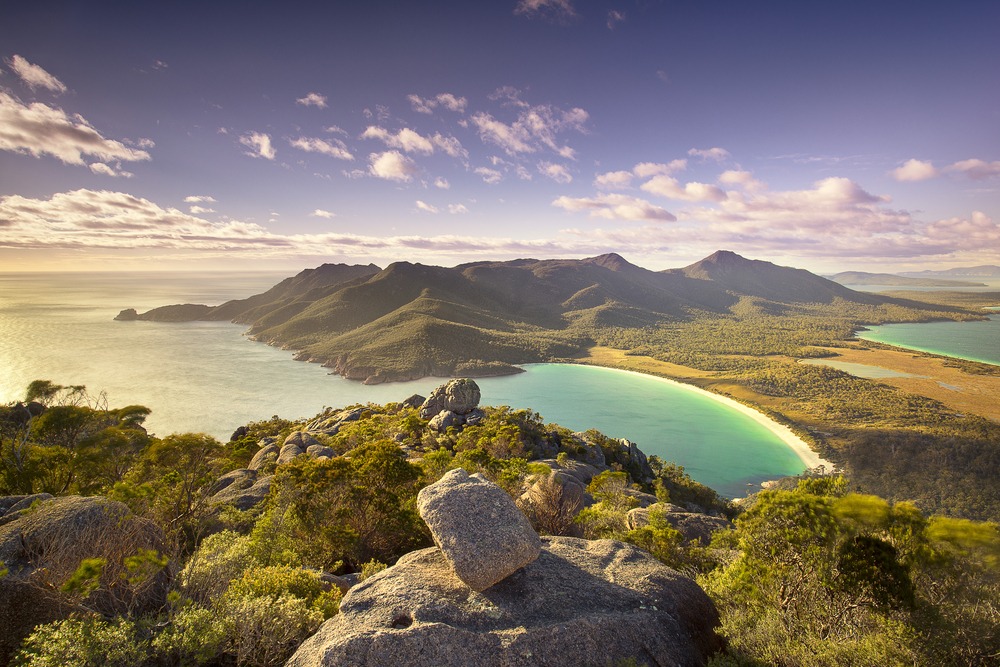
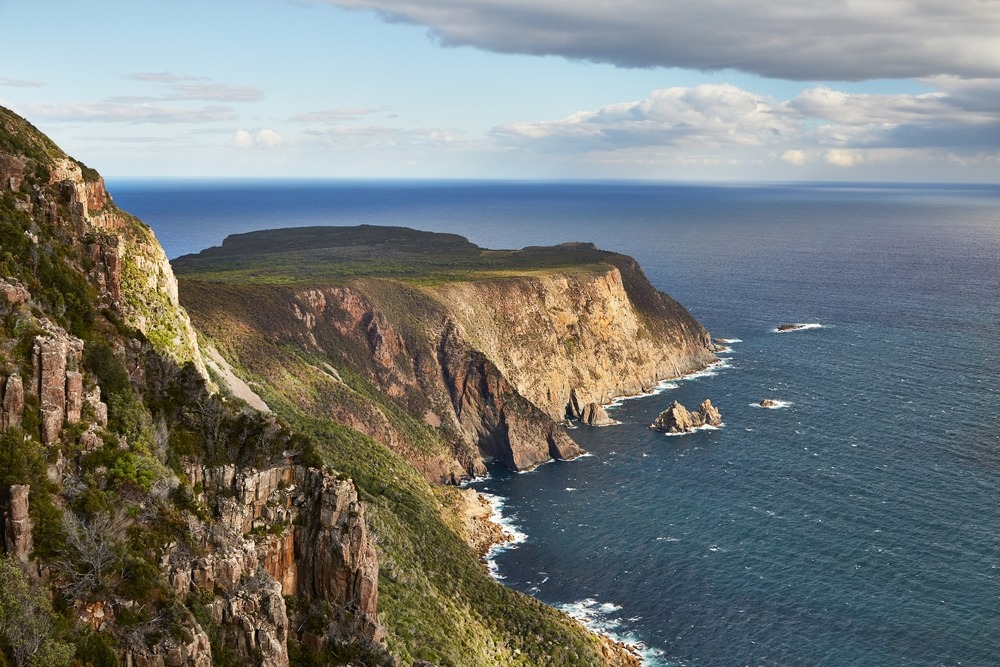
Eaglehawk Neck is a narrow isthmus of the Tasman Peninsula, approximately 90 minutes' drive from Hobart. Known by the palawa name Teralina, this passage just tens of metres wide connects the peninsula to the rest of Tasmania and provides access to the historic Port Arthur site. It is also a concentration of remarkable coastal geological formations within a few kilometres.
Why visit Eaglehawk Neck
Three reasons make this passage worth stopping for half a day to a full day. First, its geology: Tessellated Pavement, Tasman Arch, Blow Hole, and Devil's Kitchen are concentrated within a radius of a few kilometres. Second, its penitentiary history, marked by the famous dog line of the 1830s. Finally, its position as a crossroads: Port Arthur, listed as a UNESCO World Heritage site, is accessible only by crossing this narrow passage.
History: the dog line and the Port Arthur penal station
From the 1830s onwards, the British colonial administration exploited Eaglehawk Neck's geography to seal off the peninsula. A line of dogs—a pack chained across the isthmus, with animals posted even in shallow water—was put in place to prevent prisoners from the Port Arthur penal station from escaping northwards. The system operated for several decades. A few daring escapes nonetheless crossed the line, and the site remains a symbol of Australia's colonial penal system.
Today, a bronze statue commemorates the presence of the pack. Nearby, the Officers' Quarters Museum occupies one of Australia's oldest wooden military buildings and presents the military and penitentiary history of the peninsula.
What to see and do
Coastal geological formations
- Tessellated Pavement: rocky platform fractured into a natural checkerboard pattern, particularly clear at low tide. Accessible within minutes from the car park.
- Tasman Arch: natural arch carved by marine erosion in the dolerite cliff face.
- Devil's Kitchen: spectacular cliff collapse, just a few steps from Tasman Arch.
- Blow Hole: blowhole that projects spray in strong seas.
- Pirates Bay Lookout: open viewpoint over the bay and peninsula cliffs.
Historic sites
- Dog line statue: commemorative monument at the entrance to the isthmus.
- Officers' Quarters Museum: small museum housed in a 19th-century wooden military building.
Local curiosities
- Doo Town: hamlet of cottages where each house has a name containing "Doo" (Doo-Little, Doo-Nothing, etc.). A quick and photogenic walk.
Activities
- Scuba diving: Eaglehawk Neck's waters harbour caves, kelp forests, crayfish, and abalone. Reserved for experienced divers, with permits required for fishing or observing protected species.
- Cycling and walking: coastal trails and quiet roads between sites.
When to visit
Tasmania has a temperate ocean climate, cooler than the rest of Australie. Conditions vary by season:
- Summer (December to February): long days, mild temperatures, peak visitor numbers. Ideal for diving and hiking.
- Autumn (March to May): soft light, fewer crowds, good coastal conditions.
- Winter (June to August): changeable skies, rough seas (Blow Hole more active), low visitor numbers.
- Spring (September to November): flowering, unpredictable weather but often clear mid-day.
Low tides are best for viewing the Tessellated Pavement.
How to get there
- By car: from Hobart, allow approximately 90 minutes via Arthur Highway (A9). This is the most practical option for visiting multiple sites on the peninsula.
- By bus: Tassie Link serves Eaglehawk Neck from Hobart with limited frequency—check schedules in advance.
- Guided tours: many agencies offer full-day tours combining Eaglehawk Neck and Port Arthur departing from Hobart, transport included.
- By bike: possible for experienced cyclists, hilly terrain and traffic on Arthur Highway to watch for.
Practical information
- Duration of visit: half a day for the main geological viewpoints, a full day if you add Doo Town, the museum, and a coastal walk.
- Access: most sites are free, with car parks and short trails. The Officers' Quarters Museum charges a modest entry fee.
- Safety: wildlife (wallabies, possums, Tasmanian devils) is active at night. Avoid driving in reserves after sunset to prevent collisions.
- Equipment: closed-toe shoes for rocky platforms, windproof jacket (wind is constant on the coast).
Nearby
- Port Arthur Historic Site: 20 minutes south, former penal station listed as a UNESCO World Heritage site. Allow a minimum of half a day.
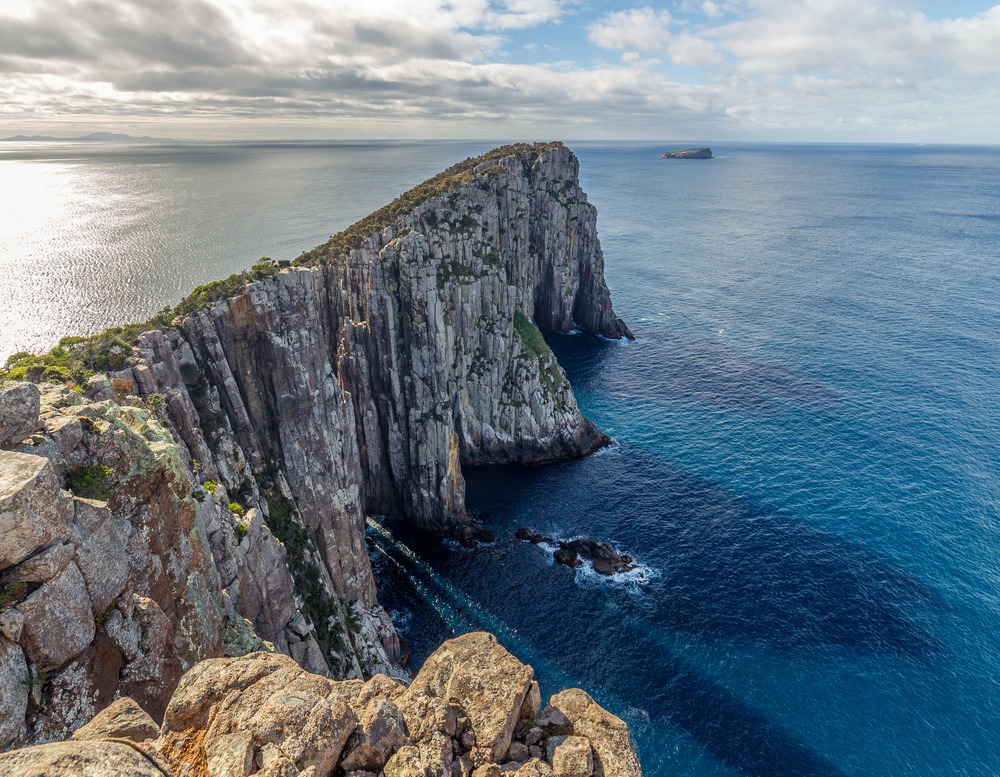
- Tasman Peninsula: Three Capes Track trails, dolerite cliffs among the tallest in the Southern Hemisphere.
- Hobart: Tasmania's capital, the logical base for exploring the island's south.
- Cradle Mountain National Park: several hours' drive to the north-west, another Tasmanian must-see.
- Gordon River: on the west coast, temperate rainforest landscapes.
Frequently asked questions
Frequently asked questions
Half a day is sufficient for the main geological formations (Tessellated Pavement, Tasman Arch, Devil's Kitchen, Blow Hole) and Pirates Bay Lookout. Allow a full day if you add Doo Town, the Officers' Quarters Museum, and a coastal walk.
Yes. Eaglehawk Neck is the only road passage between the rest of Tasmania and the Tasman Peninsula. All Port Arthur visitors cross this isthmus.
Eaglehawk Neck's dive sites (caves, drop-offs, kelp forests) are reserved for advanced divers. Waters are cold and currents sometimes strong. A permit is required for crayfish or abalone fishing.
Tassie Link operates bus services from Hobart with limited frequency. Many agencies in Hobart also organize full-day tours combining Eaglehawk Neck and Port Arthur.
At low tide, when the checkerboard pattern is fully exposed. Early morning or late afternoon light emphasizes the relief.
Plan your trip
Eaglehawk Neck fits into a Tasmania itinerary centred on Hobart, Port Arthur, and the Tasman Peninsula. For broader exploration of the country, see our Australie tours.

Interested in this visit?
We can include it in your personalised itinerary.