French Island
French Island
A wild island covering 170 km² in Western Port Bay, 60 km south of Melbourne: national park, koalas, orchids and ferry access only.
Located in Western Port Bay, 60 km south of Melbourne, French Island covers 170 km² and is the largest island in the bay. Although part of Victoria, it holds the status of an unincorporated area with no municipal administration. The island is home to around sixty permanent residents, no paved roads, and a national park established in 1997, included since 2000 in the UNESCO biosphere reserve of the Mornington Peninsula and Western Port.
Why visit French Island
French Island offers a rare contrast in Australie: an expansive, sparsely populated island accessible by ferry from the mainland, yet shielded from heavy-handed tourism development. Its appeal rests on three key characteristics:
- Dense and observable wildlife: it is home to one of the country's most significant populations of wild koalas, introduced in the early 20th century and free from disease.
- Protected biodiversity: approximately 580 plant species and 260 animal species recorded, including nearly 230 bird species. The island is free of phytophthora, a fungus that devastates mainland vegetation.
- Deliberately restrictive logistics: private vehicles prohibited for visitors, gravel roads, absence of public transport. This friction limits visitor numbers and preserves the wild character of the place.
History of French Island
Before colonisation, the island served as hunting and foraging grounds for the Bunurong Aboriginal people, who accessed it on foot at low tide. They left behind shell middens and stone flakes still visible today.
In 1802, a French expedition aboard the ship Le Naturaliste charts the island, which then takes the name "Île des Français" before the British anglicise it. European settlement began around 1850, focused on chicory cultivation. Isolation and harsh conditions prompted numerous departures.
A prison farm opened in 1916 and operated until 1975. In the 1960s, power plant proposals were abandoned following strong local opposition. Environmental protection began formally in 1979, leading to the creation of the national park in 1997.
What to see and do on French Island
Hiking and wildlife observation
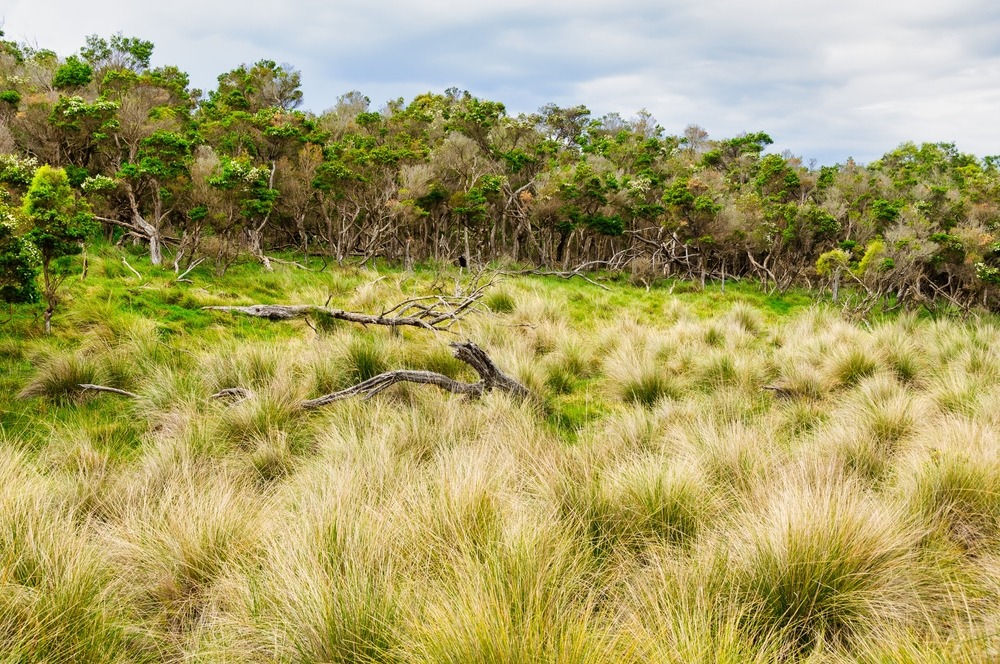
A loop trail of approximately 18 km crosses mangroves, salt marshes and eucalyptus forests, with numerous bird observation points. The West Coast Wetlands Walking Track runs along the wetlands of the western coast, particularly active at sunrise and sunset.
Cycling and guided 4x4 tours
Gravel tracks are suitable for cycling, which you can bring or rent on the island. Guided 4x4 tours provide access to protected areas not open to the public, with accompaniment focused on koalas and birdlife.
Mount Wellington and viewpoints
Mount Wellington offers an overview of Western Port Bay and the island's coastlines. It is a useful landmark for locating the main ecosystems: mangroves to the south, salt marshes to the west, eucalyptus forests in the centre.
Flora: orchids and eucalyptus
More than 100 species of wild orchids bloom in spring, some endemic to the island. Plant diversity (approximately 580 species) includes wetlands, eucalyptus and mangroves.
When to visit
French Island can be visited year-round, but each season has its advantages:
- Southern spring (September–November): wild orchid blooms, mild temperatures, optimal birdwatching.
- Summer (December–February): long days, ideal for cycling and hiking. Bring sun protection and water; shade is limited on some sections.
- Autumn (March–May): reduced crowds, soft light, stable conditions.
- Winter (June–August): more frequent rain, gravel tracks potentially slippery. Wildlife remains observable but days are short.
How to get there
- Passenger ferry: Western Port Ferries connects Stony Point (Mornington Peninsula) to Tankerton on the island in about ten minutes. This is the simplest option for visitors without a vehicle.
- Vehicle barge: from Corinella, a barge transports vehicles, passengers and freight, mainly used by residents and delivery services.
- Private boat or plane: the island has no public airport; some properties have private airstrips for light aircraft.
Practical information
- Private vehicles prohibited for visitors: only residents and operators may drive. Visitors travel on foot, by bicycle, on horseback or via an organised 4x4 tour.
- Unpaved roads: gravel tracks become slippery after rain.
- No public transport on the island. Plan your movements from Tankerton landing accordingly.
- Wildlife: no foxes, but rabbits and feral cats present. Keep distance from koalas and do not introduce any external plant material (the island is free of phytophthora).
- Equipment: hiking boots, weather-appropriate clothing, water and provisions (food options limited on site).
- Luggage: generally restricted to a backpack or handbag per person on the ferry.
Nearby attractions
French Island combines well with other stops around Western Port Bay and Victoria:
- Phillip Island: accessible from the mainland, renowned for the little penguins' dusk parade, the Nobbies cliffs and Cowes beach resort.
- Mornington Peninsula: ferry departure point at Stony Point, featuring beaches, wineries and hot springs.
- Melbourne: approximately 1.5 hours by car, the logical starting point to explore the bay.
If you extend your journey to neighbouring Tasmanie, Cradle Mountain National Park or the Gordon River offer complementary natural landscapes.
Frequently asked questions
Frequently asked questions
To incorporate French Island into a wider Australie itinerary, consult our Australie trips.

Interested in this visit?
We can include it in your personalised itinerary.