Macquarie Harbour
Macquarie Harbour
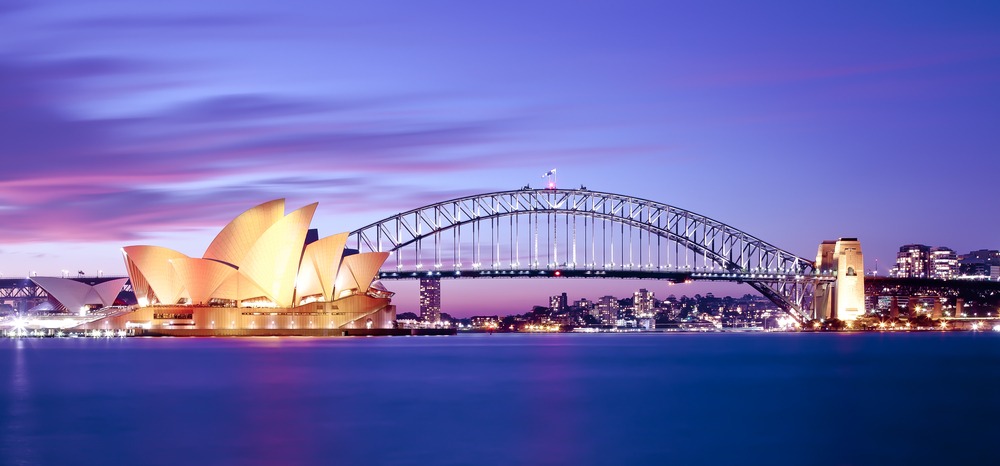
Six times larger than Sydney Harbour, Macquarie Harbour combines world heritage forests, penitentiary ruins on Sarah Island and endemic wildlife.
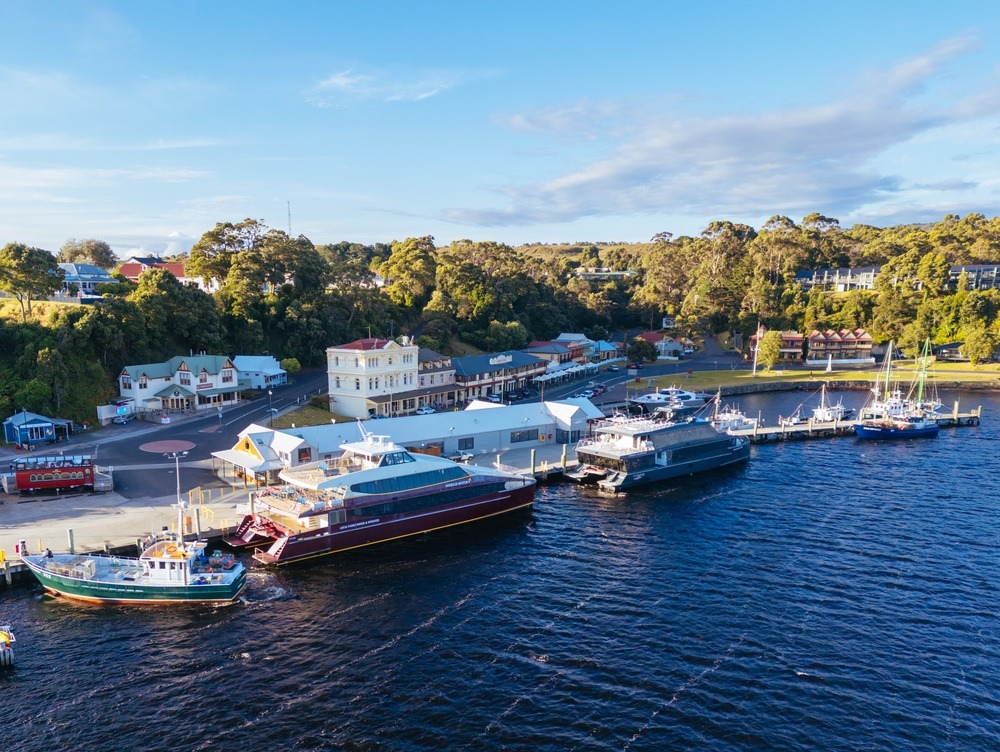
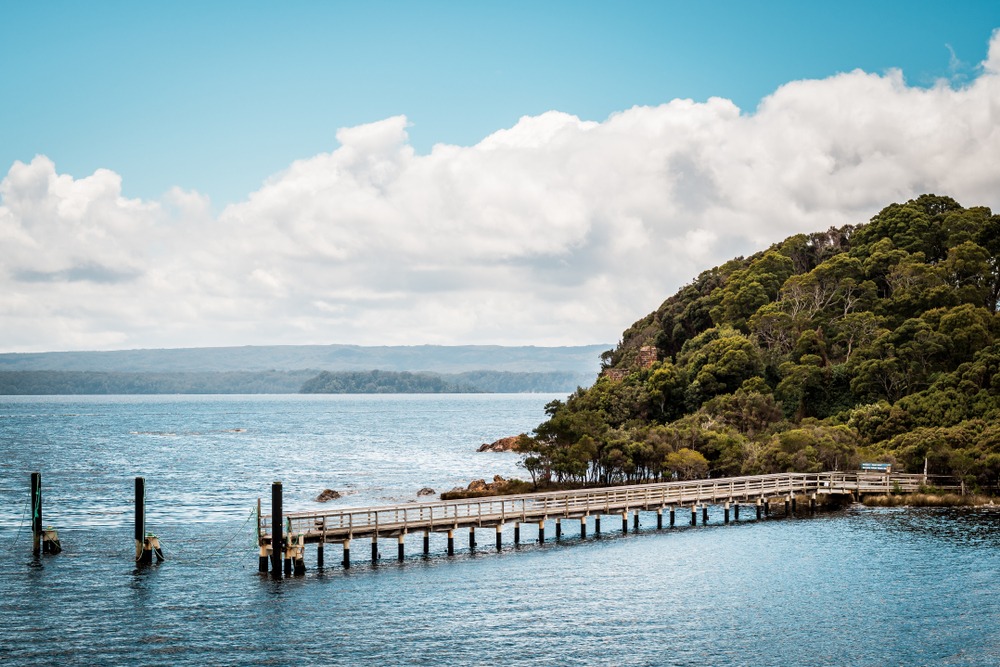
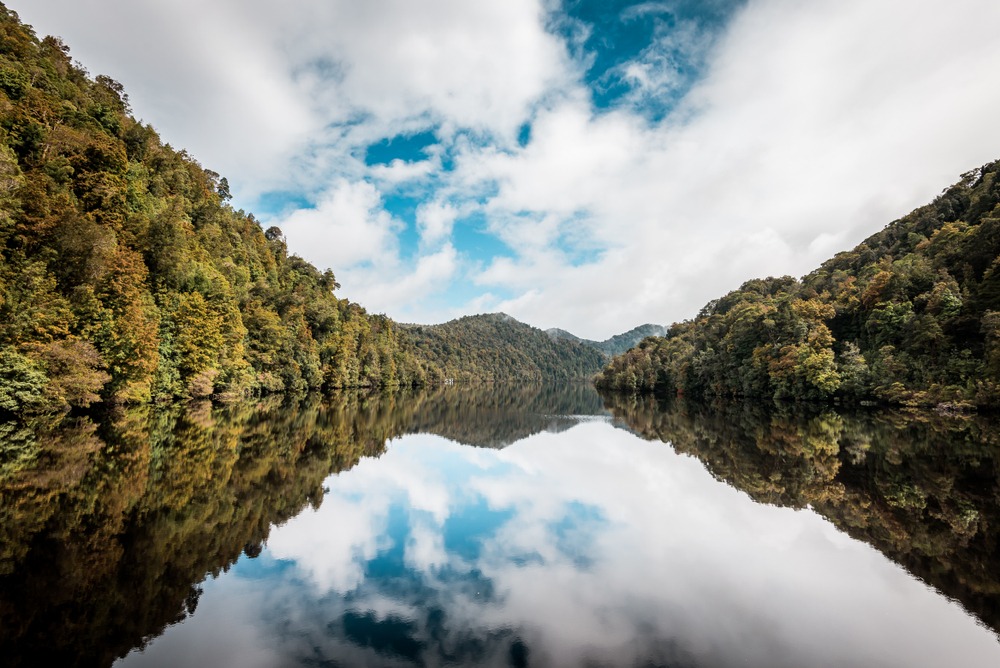
On Tasmania's west coast, Macquarie Harbour stretches between mountains, rainforests and ocean mists. Six times larger than Sydney Harbour, it forms an isolated inland waterway, long inaccessible and today bordered by the village of Strahan. Its penitentiary history, endemic wildlife and the Gordon River flowing into it make it one of the island's most striking natural sites.
Why visit Macquarie Harbour?
The harbour combines several interests rarely found on a single site: a historical heritage linked to penitentiary colonisation (Sarah Island), nature listed as a world heritage site in the Tasmanian Wilderness, and distinctive wildlife including the Maugean stingray, an endemic and threatened species. The dark waters, tinted by tannin from the surrounding forests, give the landscape a unique character.
Access is from Strahan, the departure point for cruises and gateway to a west coast that remains less frequented compared to the rest of Tasmania.
A history of exploration and convict settlement
At the beginning of the 19th century, Tasmania's west coast remained largely unknown to Europeans. In 1815, navigator James Kelly departed Hobart in a small rowing boat and discovered the vast waters of Macquarie Harbour. A few years later, John Oxley and George Evans came to chart it, after navigating through Hells Gates, the narrow opening linking the harbour to the Southern Ocean.
From 1822, the colonial administration established a penitentiary colony on Sarah Island, in the heart of the harbour. The site also served as a shipyard, exploiting the Huon pines from neighbouring forests. Conditions were harsh: isolation, humid climate, forced labour. The penal station closed in 1833, but the island retains the vestiges of this period, still visible today.
What to see and do
Gordon River cruise
This is the flagship activity departing from Strahan. The cruise passes through Hells Gates, crosses the harbour then travels up the Gordon River through a world heritage-listed forest. The journey typically includes a stop on Sarah Island with a guided tour of the penitentiary ruins, and a walk through Huon pine forest. Allow a half-day for the standard itinerary.
Sarah Island
Accessible only through cruise operators, the island can be explored on foot in around an hour. Guides recount the history of the shipyard and penal colony, with foundations and buildings still in place.
Hogarth Falls
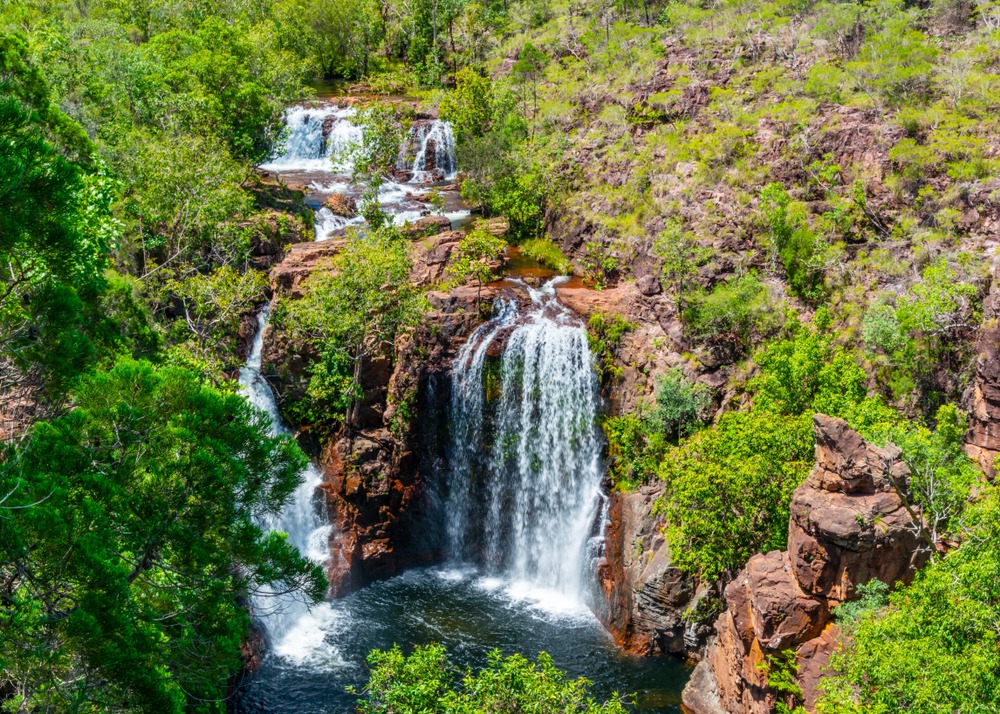
A short walk from Strahan, through People's Park, leads to this waterfall in humid forest. The trail is short, flat and accessible to all.
Ocean Beach and Henty Dunes
Ocean Beach stretches for more than thirty kilometres facing the Southern Ocean, Tasmania's longest beach. A few kilometres north, the Henty Dunes form an impressive dune system, ideal for walking.
Seaplane flight
Several operators offer scenic flights over the harbour, Gordon River and west coast. The aerial perspective gives a good sense of the site's scale.
Franklin River Nature Trail
East of Queenstown, this short trail crosses tropical rainforest to the Franklin and Surprise rivers. In summer, the area is also a starting point for rafting and canoeing on the Franklin.
When to go
The climate is oceanic, mild but highly changeable. Temperatures range between 5 °C in winter and 20 °C in summer, with regular rainfall year-round. The most pleasant period runs from December to March: longer days, more comfortable cruises and hikes.
Spring and autumn offer fewer crowds and interesting light. Winter, colder and mistier, changes the harbour's atmosphere but doesn't prevent a visit, provided you accept unpredictable weather.
How to get there
The harbour is reached via Strahan, on Tasmania's west coast.
- From Hobart: approximately 5 hours' drive (300 km) through the central mountains.
- From Launceston: approximately 4 hours' drive (270 km) via Queenstown.
- From Devonport: approximately 3 hours 30 minutes, the arrival point of the Spirit of Tasmania ferry.
Roads are winding and poorly lit: it's preferable to drive during daylight. Once there, the harbour is accessible on foot from Strahan's centre, where cruises depart.
Practical information
- Length of visit: plan for at least a full day in Strahan for the cruise, and ideally two nights to include Hogarth Falls, Ocean Beach and the Henty Dunes.
- Cruises: two main operators run from Strahan. Booking recommended in high season (December to February).
- Accommodation: Strahan has several lodges, B&Bs and campsites. Availability is limited; better to book ahead in summer.
- Equipment: waterproof and windproof clothing essential, even in summer.
Nearby
Tasmania's west coast and central region offer several natural extensions to a stay around Macquarie Harbour. Cradle Mountain National Park, a few hours' drive to the north-east, complements the natural experience of Tasmania well. For those continuing their journey in mainland Australia, Kings Canyon in the Red Centre or urban walks at Manly Sydney offer stark contrasts with the Tasmanian atmosphere.
Frequently asked questions
Frequently asked questions
The standard itinerary takes a half-day (5 to 6 hours approximately), with a stop on Sarah Island and a walk through Huon pine forest. Some variations offer a full day.
No. The island is accessible only through cruise operators departing from Strahan, who provide transport and a guided tour of the penitentiary ruins.
December to March: milder temperatures, longer days and more stable weather, though rain remains possible year-round on Tasmania's west coast.
Plan your trip
Macquarie Harbour fits naturally into a Tasmania itinerary combining west coast, Cradle Mountain and the southern peninsula. To build a tailor-made itinerary, consult our trips to Australia.
Interested in this visit?
We can include it in your personalised itinerary.