Cradle Mountain National Park
Cradle Mountain National Park
In the heart of Tasmania, Cradle Mountain National Park brings together glacial lakes, iconic trails and marsupial fauna, within a UNESCO World Heritage zone.
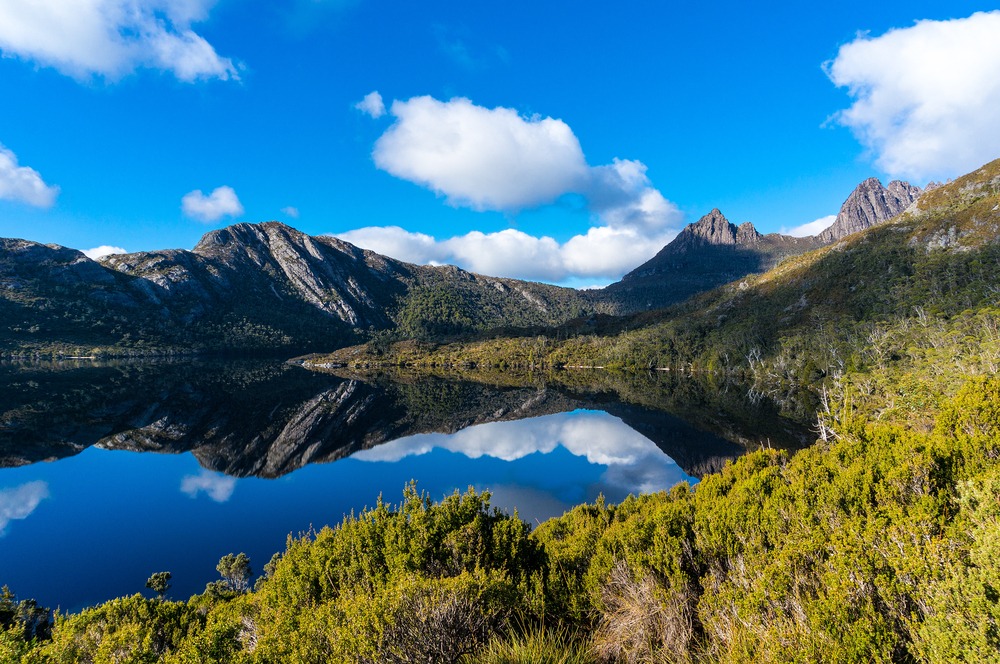
In the heart of Tasmania, Cradle Mountain-Lake St Clair National Park unites dolomitic peaks, glacial lakes and temperate forests across nearly 1,600 km². Inscribed as a UNESCO World Heritage site, it hosts the northern boundary of the Tasmanian Wilderness World Heritage Area and stands as one of the island's most iconic zones.
Why visit Cradle Mountain
The park concentrates multiple attractions within a relatively compact perimeter: glacially-carved landscapes, observable endemic wildlife by day and night, and a trail network suited to all levels. The presence of the Tasmanian devil, common wombat and platypus is regularly documented here. The site also serves as the starting point for the Overland Track, one of Australie's premier long-distance walking routes.
Park history
The region was frequented for millennia by Tasmania's Indigenous peoples, who occupied the area primarily during the summer season. Artifacts found around Lake St Clair and across the Pelion plains—tools, stone implements, camping traces—bear witness to this ancient occupation.
In the 19th century, European settlers opened tracks for hunting, mining and grazing, though these never permanently transformed the landscape. The commitment of Austrian-born naturalist Gustav Werndorfer, settled locally from the early 20th century, led to the creation of a nature reserve in 1922. Official designation as a national park came in 1947. The site is now administered by the Tasmania Parks and Wildlife Service.
What to see and do
Hiking trails
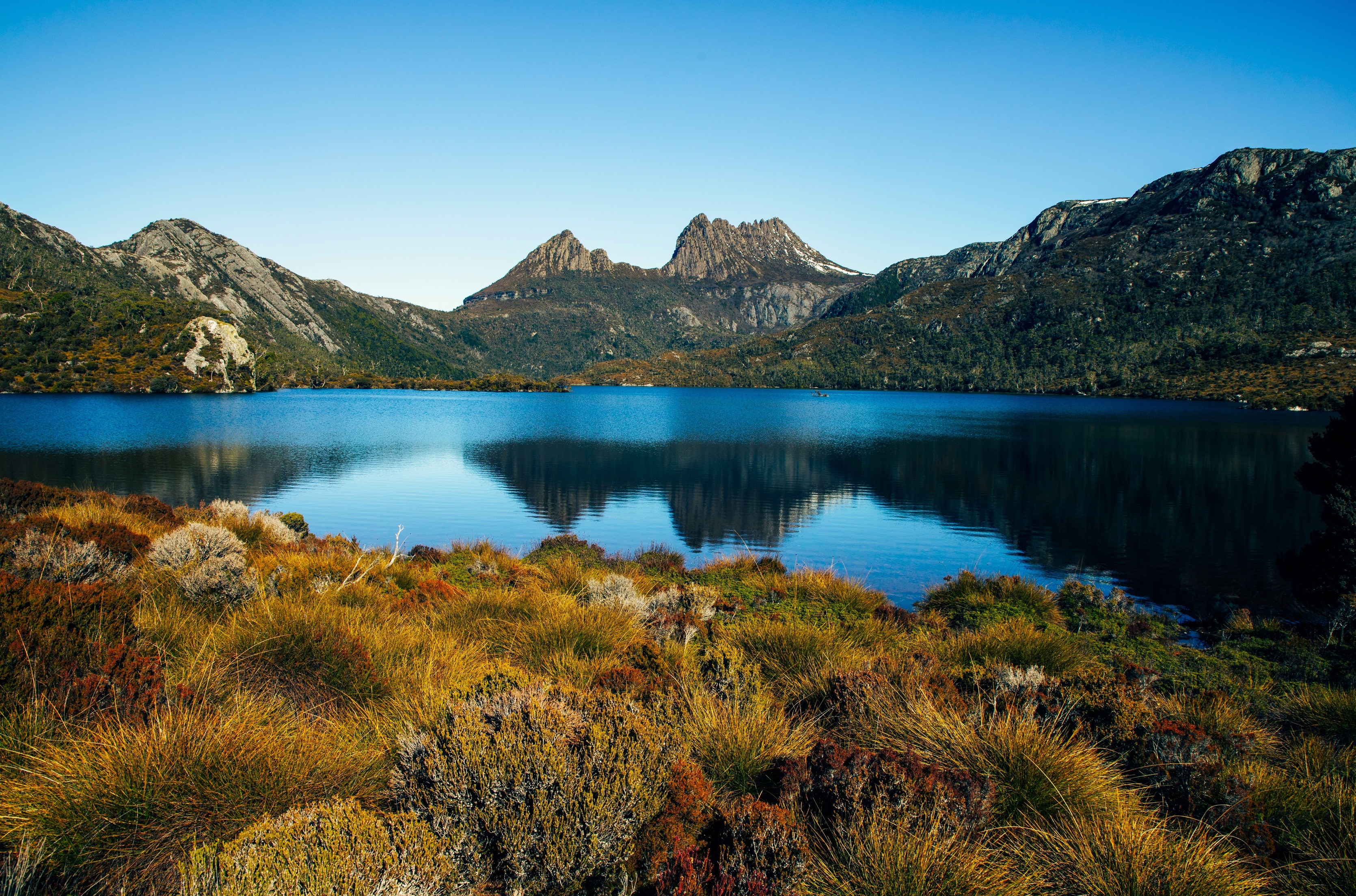
- Dove Lake Circuit (6 km, 2 to 3 hours): accessible loop around Dove Lake, with direct views of Cradle Mountain.
- Cradle Mountain Summit (13 km, approximately 8 hours): demanding ascent, reserved for experienced hikers and subject to weather conditions.
- Overland Track (80 km, 6 days): traverse between Cradle Mountain and Lake St Clair, with mandatory booking during season.
- Enchanted Walk, Platypus Bay and Billy King Walk: short walks suited to families, around the visitor centre.
Wildlife and conservation
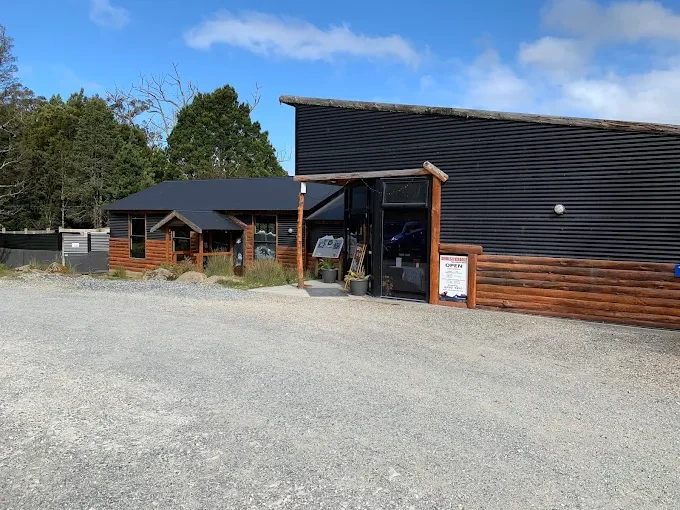
The park hosts diverse marsupial fauna: Tasmanian devils, wombats, echidnas, pademelons, marsupial cats and platypuses. Observation occurs mainly at dawn and dusk. The Devils@Cradle centre, located immediately adjacent to the park, offers daytime and evening visits dedicated to Tasmanian devils and quolls, with a conservation focus.
Other activities
- Horseback riding through alpine plateau landscapes.
- Panoramic helicopter flights from the northern entrance.
- Visit to the Cradle Mountain Wilderness Gallery.
- Trout fishing (with Tasmanian permit) and boat excursions on Lake St Clair.
When to visit
The park is open year-round, but weather remains highly changeable, even during summer.
- Summer (December to February): temperatures averaging around 20°C, favorable conditions for long-distance walking.
- Autumn (March to May): golden foliage of beech trees (Nothofagus gunnii), Tasmania's only endemic deciduous tree, typically around late April.
- Winter (June to August): snow-capped summits, high-altitude trails often impassable, temperatures dropping below freezing at night.
- Spring (September to November): alpine wildflowers and sustained wildlife activity.
The January to March window offers the most stable conditions, with generally dry weather and long daylight hours.
How to get there
By car, two main access points serve the park:
- From the north, via Sheffield then routes C136 and C132 to the northern entrance. Allow approximately 1 hour 30 minutes from Devonport and 2 hours 30 minutes from Launceston.
- From the south, via Derwent Bridge on route A10, approximately 2 hours 30 minutes from Hobart or Launceston, to reach the Lake St Clair sector.
By public transport, bus line number 745 connects Devonport to the park's northern entrance in approximately 1 hour 30 minutes; schedules run reduced services, verify timetables in advance. Guided day excursions and multi-day tours are also available from Hobart, Launceston and Devonport.
Practical information
Private vehicle access is restricted between the visitor centre and Dove Lake during shuttle operating hours, to limit pressure on the site. A mandatory shuttle provides connections during peak season, with intermediate stops.
Park entry requires the Tasmanian Parks Pass (daily or multi-day). A 72-hour shuttle pass exists at moderate rates; check official pricing before departure. In all seasons, bring waterproof clothing, multiple warm layers, ankle-supporting hiking boots, water and sunscreen: weather can shift in under an hour.
Nearby attractions
Tasmania and the rest of Australie offer other natural and cultural sites that complement a visit to Cradle Mountain:
- Maria Island, a wildlife sanctuary accessible by ferry from Tasmania's east coast.
- Port Campbell and the Great Ocean Road, in neighbouring Victoria.
- Phillip Island Nature Parks, known for its little penguin colony.
- Mindil Beach Sunset Market in Darwin, for a cultural stop in the tropical north.
Frequently asked questions
Frequently asked questions
Entry requires a Parks Pass, purchasable online or at the visitor centre. Only the Overland Track requires a named reservation during the regulated season (approximately October to May).
Yes, during peak season and operating hours, private vehicle circulation is prohibited between the visitor centre and Dove Lake. The shuttle ticket is included with the Parks Pass.
Sightings in nature are rare. Devils@Cradle centre, neighbouring the park, offers daytime and evening visits within a conservation setting, with good observation chances.
The January-March window offers the most stable conditions. Autumn (April-May) remains highly appreciated for the golden beech foliage.
One day allows you to complete the Dove Lake Circuit and a few short trails. Two to three days are recommended to combine altitude hikes, wildlife observation and the southern Lake St Clair sector.
Planning the rest of your journey
Cradle Mountain naturally integrates into a broader Tasmanian itinerary, or into a discovery of Australie's great open spaces. To build a custom itinerary, consult our Australie travel experiences.
Interested in this visit?
We can include it in your personalised itinerary.