Great Otway National Park
Great Otway National Park
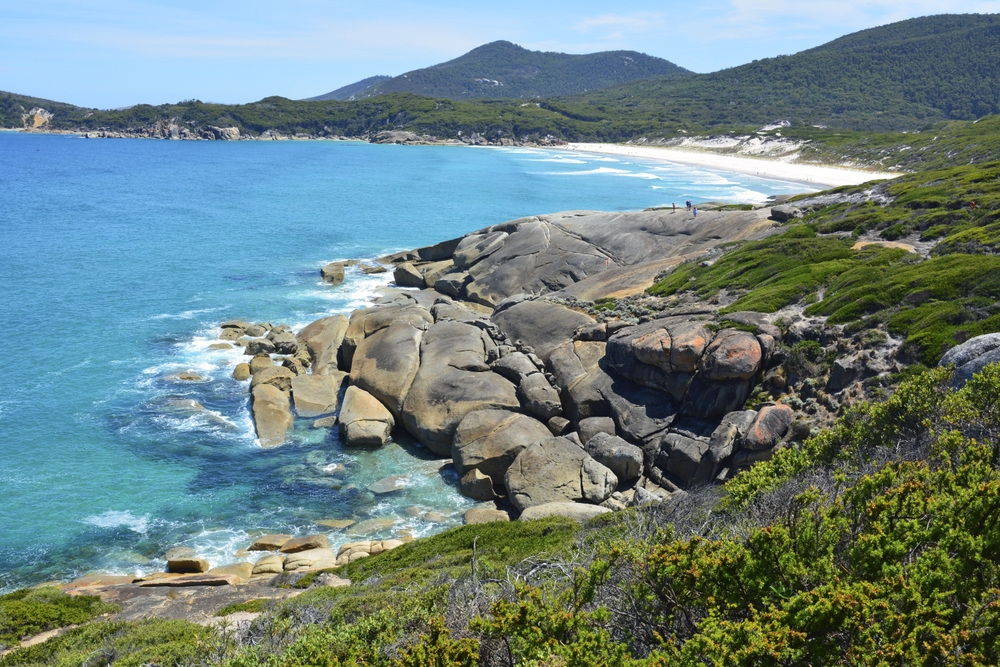
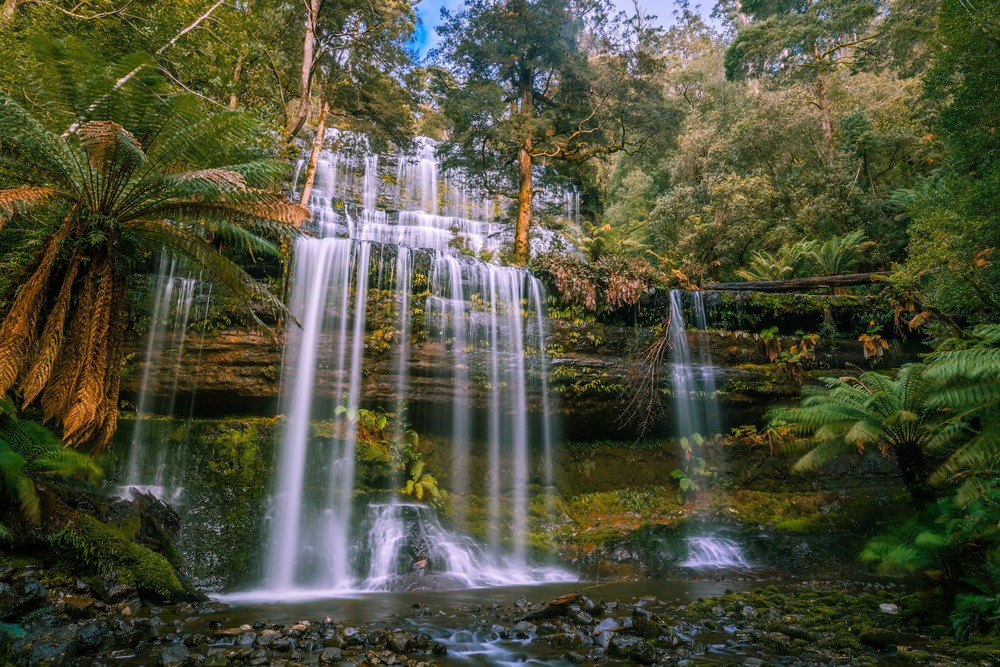
Ancient tree fern forests, cascading waterfalls and dramatic coastal cliffs: Great Otway National Park stretches for 100 km along the Great Ocean Road and encompasses some of Victoria's most pristine landscapes.
Great Otway National Park spans more than 100,000 hectares between Torquay and Princetown, along the Great Ocean Road in Victoria. Ancient tree fern forests, waterfalls, coastal cliffs and historic lighthouses combine to create a landscape of extraordinary diversity. It is one of the few places in Australia where temperate rainforest descends all the way to the sea.
Quick reference facts
- Access: Car recommended — the park stretches along the Great Ocean Road (B100) westward from Torquay.
- Entry: Free to most areas; some car parks are paid (Parks Victoria).
- Suggested duration: A full day to experience forest, waterfalls and coastline; several days for serious hikers.
- What to wear: Waterproof hiking boots recommended — forest trails remain damp year-round.
- Accessibility: The Cape Otway Lightstation boardwalk and some picnic areas are accessible; most walking trails are not.
What you'll see
The park brings together several distinct ecosystems. Tree fern forests (Dicksonia antarctica) dominate the wet valleys around Melba Gully and Beauchamp Falls. Giant eucalypts (Eucalyptus regnans) reach remarkable heights in the coolest areas. Along the coast, limestone cliffs give way to wild beaches battered by the Southern Ocean.
History and context
The Gadubanud and other Aboriginal peoples inhabited this region for thousands of years before European settlement. Cape Otway Lighthouse, built in 1848, is the oldest lighthouse still standing on the Australian continent. It guided ships on the sea route between Europe and Melbourne, one of the world's busiest maritime passages in the 19th century. The national park was established in 2005 through the consolidation of several existing forest reserves and parks.
Highlights of a visit
Melba Gully and the tree fern forest
This area is home to one of Australia's finest tree fern forests. A short loop trail winds through dense canopy where light barely filters through. At night, glow worms (Arachnocampa richardsae) illuminate the creek banks — a rare natural spectacle.
Beauchamp Falls
A walk of around 45 minutes return from the car park leads to this waterfall, framed by ferns and mosses. The trail follows a creek through dense temperate forest. Best visited after rain, when water flow is at its peak.
Cape Otway Lightstation
The 1848 lighthouse is open to visitors for an entry fee managed by a private operator. From the top, views span the junction of the Bass Strait and the Southern Ocean. Koalas are frequently spotted in the eucalypts along the access path.
Blanket Bay area and wild coastline
This sheltered cove offers a pebble and sand beach, surrounded by forest. It's a starting point for the Great Ocean Walk, a long-distance hiking trail that crosses the park from east to west.
Photography tips
Melba Gully forest photographs best on overcast days: diffuse light avoids harsh contrasts between shadow and foliage. For glow worms, a long exposure (tripod essential) after dark yields the best results. At Cape Otway Lighthouse, sunrise illuminates the tower from the east and bathes the ocean in warm colour.
Location and access
The park stretches approximately 100 km along the Great Ocean Road, from Aireys Inlet westward to Princetown. From Melbourne, allow roughly two hours' drive to reach the eastern entrance of the park. There is no regular public transport to the park's interior; a rental car is essential. Tour operators departing from Melbourne offer day excursions or multi-day itineraries combining the Twelve Apostles.
Nearby attractions
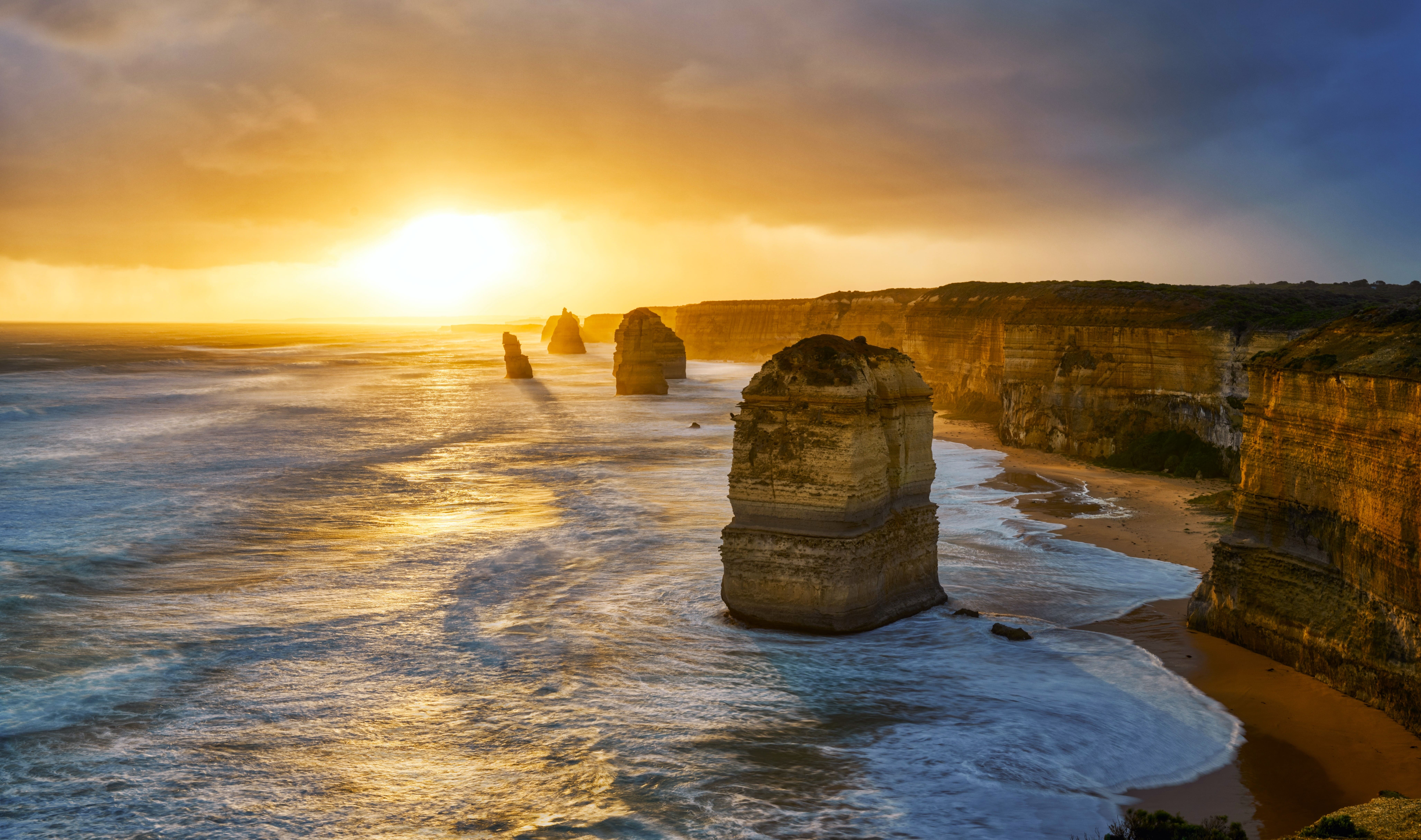
- The Twelve Apostles — iconic limestone rock formations on the Great Ocean Road, west of the park.
- Loch Ard Gorge — spectacular coastal gorge linked to a historic 1878 shipwreck, near the Twelve Apostles.
- Apollo Bay — coastal town with weekend farmers' market, a convenient resupply point before entering the park.
- Great Ocean Walk — multi-day hiking trail traversing the park from Apollo Bay to the Twelve Apostles.
Frequently asked questions
The park is accessible year-round. Spring (September-November) and autumn (March-May) offer mild temperatures and lush vegetation. Summer draws larger crowds to the Great Ocean Road. Winter is rainy but ideal for waterfalls and glow worms.
Yes. Koalas are frequently spotted in eucalypts along the road to Cape Otway Lighthouse. Look for them wedged in tree forks, especially in the morning.
Visit after dark on the Melba Gully loop trail. Bring a red-filtered torch to avoid disturbing the worms. The phenomenon is visible year-round, but more intense on moonless nights.
Access to most natural areas of the park is generally free. Cape Otway Lighthouse is privately operated and requires a separate admission ticket. Some car parks may charge fees depending on the area.
It's possible from Melbourne in one long day, but the pace will be brisk. Better to allow two days to enjoy the park's trails and coastal sites without rushing.
Yes. The Melba Gully trail is short and well-marked. Picnic areas are family-friendly. Longer trails like the Great Ocean Walk are better suited to experienced hikers.
Interested in this visit?
We can include it in your personalised itinerary.