Raymond Island
Raymond Island
A small island in the Gippsland Lakes accessible by ferry from Paynesville, Raymond Island is known for its free-roaming koalas observable along a marked walking trail.
Raymond Island is a small island in the Gippsland Lakes, in Victoria, accessible from Paynesville by a short ferry crossing. Known for its population of wild koalas, it can be explored on foot or by bike along shaded trails lined with eucalyptus trees. Its quiet residential atmosphere and accessible wildlife make it a rewarding stop in the Gippsland region.
Why visit Raymond Island
The main draw of Raymond Island is its colony of free-roaming koalas, a relatively rare sight in Australie where wildlife is often more dispersed. The marked walking trail through the wooded area allows you to encounter these animals in their natural habitat, without enclosures or staged viewing. Add to this a peaceful lakeside setting, easy access from Paynesville, and a short visit duration (2 to 3 hours is enough) that fits well into an itinerary between Melbourne and the east coast of Victoria.
History of the island
Before European settlement, Raymond Island was part of the territory of the Gunaikurnai people, and more specifically the Tatungalung clan, whose way of life centred on the lakes' resources and aquatic birds. The island received its current name in 1841, in honour of William Odell Raymond.
In the late 19th century, the island developed around residential subdivisions, small farms, fishing and fish smoking operations. The agricultural decline of the 1930s led to the school's closure and population decline. After World War II, Raymond Island shifted its purpose and gradually became a holiday destination, a function it retains today with houses scattered throughout the vegetation.
What to see and do
- The Koala Walk: a marked circuit of approximately 2 hours that crosses the wooded area where the koala population concentrates. The animals are generally perched in the eucalyptus trees; a little attention to the foliage is enough to spot them.
- The shores of the Gippsland Lakes: the banks offer views over the water and host a variety of bird species. Kayaking is an interesting option for approaching the island from the water.
- Wildlife observation: besides koalas, the island is home to wallabies and many wetland birds. Early morning or late afternoon outings are the most rewarding.
- Cycling: the flat and quiet roads of the island lend themselves to bike exploration, complementing the main walking trail.
When to go
Australian spring (September to November) and autumn (March to May) offer the most comfortable conditions: mild temperatures and active wildlife. Summer (December to February) can be hot and dry, with heavier crowds during school holidays. Winter remains accessible but more humid. For koala watching, cool early morning or late afternoon hours are preferable, as the animals are more visible at these times.
How to get there
Paynesville is located approximately 300 km east of Melbourne, accessible via the Princes Highway in 3.5 to 4 hours of driving. From Paynesville, a public ferry connects to Raymond Island.
- Ferry: crossing takes about 5 minutes, with frequent departures throughout the day (roughly every 20 minutes depending on the season). Free for pedestrians and cyclists, paid for vehicles.
- On foot or by bike: the simplest option, as the main sites are concentrated near the ferry terminal.
- By car: possible by bringing your vehicle on the ferry, useful if you wish to combine the visit with other Gippsland locations.
Practical information
- Allow 2 to 4 hours on the island for the Koala Walk and a stroll along the shores.
- Bring water, a hat and sun protection; shops on the island are limited.
- Respect your distance from koalas and wallabies: do not feed or touch them.
- On weekends and during Australian school holidays, the ferry can be crowded for vehicles: arriving early is advisable.
- Favour walking or biking to minimise disturbance to wildlife.
Combine with nearby attractions
Raymond Island fits well into a broader itinerary around Australie's natural and island spaces. To extend the experience, several complementary sites are worth the detour:
- Maria Island, another wildlife sanctuary island, located in Tasmania.
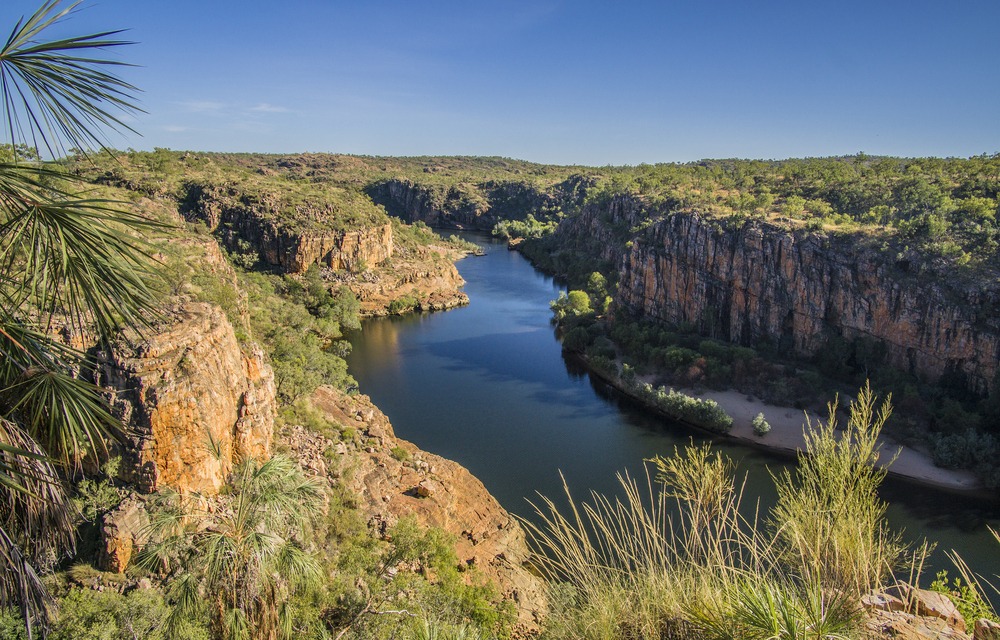
- Cataract Gorge, a gorge accessible in the heart of Launceston.
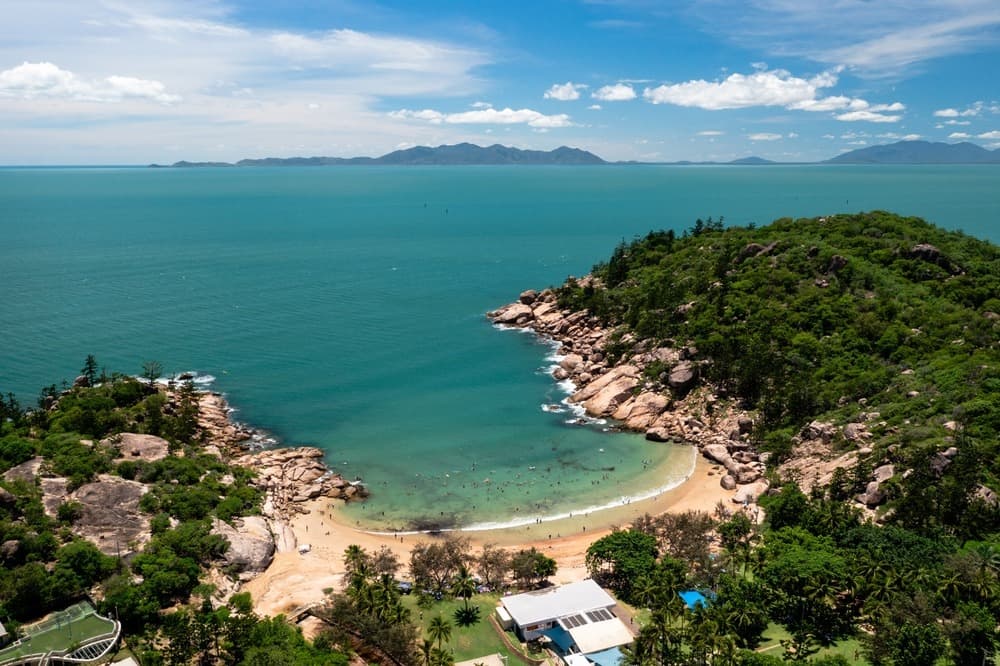
- Honeymoon Bay, for its Tasmanian coastal landscapes.
- Devils @ Cradle, a sanctuary dedicated to Tasmanian devils.
Frequently asked questions
Frequently asked questions
The crossing is free for pedestrians and cyclists. Only motorised vehicles incur a fee, charged directly at boarding.
Koalas are present year-round on the island, but they sleep most of the day, perched high in the eucalyptus trees. By following the marked trail and carefully observing the trees, your chances of spotting one are high.
The Koala Walk takes approximately 2 hours to complete. Adding time for a visit to the lake shores and a break, allow half a day for a comprehensive visit.
Yes, the island has a few holiday rental homes and guesthouses, conducive to a quiet stay. Most visitors, however, come for the day from Paynesville or Lakes Entrance.
The main trail is flat, marked and without difficulty, making it accessible for children. Wildlife observation in their natural habitat is an educational draw appreciated by families.
Plan the rest of your journey
Raymond Island offers a genuine glimpse of Australie's wildlife in its natural setting and naturally fits into a broader route between Melbourne, the Gippsland region and Tasmania. To build a coherent itinerary around these stops, consult our Australie travel suggestions.
Interested in this visit?
We can include it in your personalised itinerary.