Rhyll
Rhyll
A small port on Phillip Island, Rhyll combines history (Bass and Flinders stopover in 1798), Ramsar-listed wetlands, koalas and day trips to French Island.
Rhyll is a small fishing port nestled on the northeast of Phillip Island, in Victoria. Far from the bustle of Cowes, this village of around 500 residents maintains a strong maritime character, with its historic pier, classified wetlands and direct access to Western Port Bay.
Why visit Rhyll
Rhyll combines three assets rarely found at the same site: a historic heritage linked to the first European explorations of the coast, an environment recognized internationally (Ramsar site) and a peaceful atmosphere that contrasts with the busier areas of the island. The village makes a quiet base for observing wildlife, sailing sheltered waters and exploring Phillip Island at a measured pace.
History of Rhyll
The area belongs to the traditional lands of the Bunurong people, the original guardians of this sheltered coast and its resource-rich wetlands. Aboriginal presence here predates the earliest European contact by several thousand years.
In 1798, explorer George Bass landed at Rhyll to repair his ship. He returned the same year accompanied by Matthew Flinders. A memorial near the pier commemorates this stopover, one of the first documented European calls in the strait that now bears Bass's name.
During the 19th century, a first British post was established on the site before a permanent settlement took shape in 1856, organized around fishing and maritime trade. The opening of the post office in 1889 confirmed the village's establishment, which has since maintained its port function and modest scale.
What to see and do at Rhyll
Rhyll Inlet and its mangroves
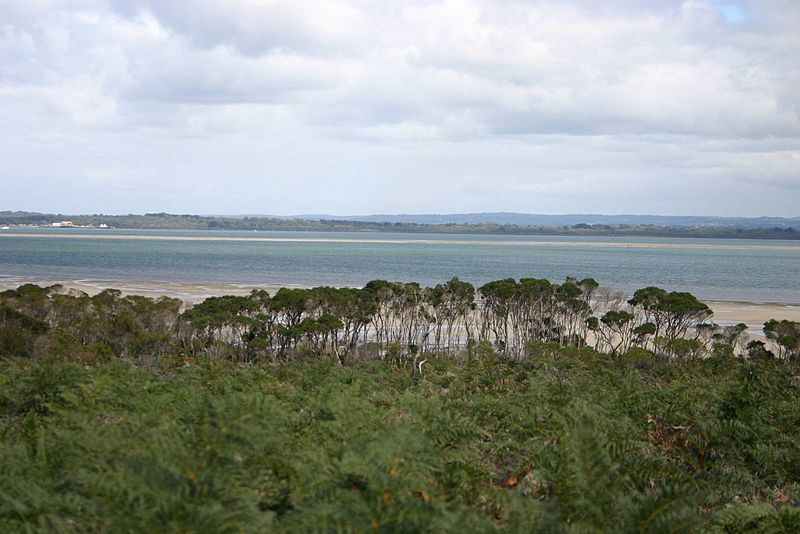
The Rhyll Inlet is classified as a Ramsar site for its role in accommodating migratory birds. Wooden boardwalks cross the mangrove forest and allow discreet wildlife observation: pelicans, black swans, ibis and waders frequent these mudflats with the tides. Allow 1 to 2 hours to walk the interpretation trails.
Oswin Roberts trails and Conservation Hill
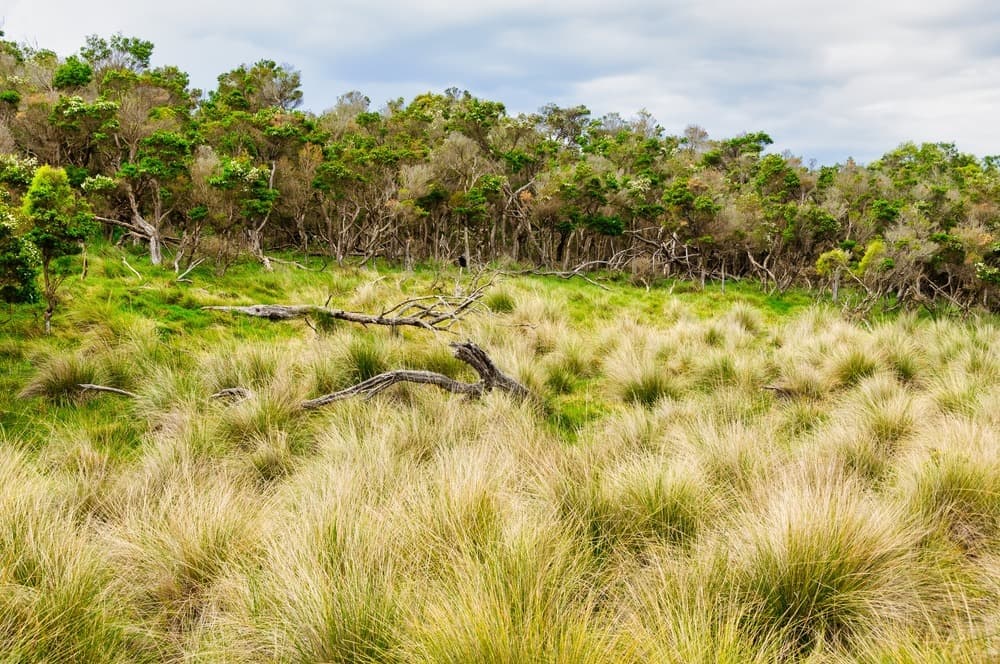
The Oswin Roberts reserve and the Conservation Hill area offer trails through native vegetation. Koalas are regularly observed in their natural habitat here. The Conservation Hill observation tower provides an overview of the bay, marshes and surrounding forest cover.
The pier and water activities
Rhyll's pier serves local fishermen, leisure boats and excursions alike. The boat ramp is accessible and the sheltered port suits kayaking, light sailing and shore fishing. Boat tours allow you to reach French Island, which is largely designated as a national park and accessible only by water.
Koala Conservation Reserve
A short distance away, the Koala Conservation Reserve run by Phillip Island Nature Parks features suspended boardwalks that allow you to observe koalas at canopy height.
Purple Hen Wines
The Purple Hen Wines vineyard, located near the village, offers tastings of wines produced on the island, with views over the bay.
Practical information
- Pier and boat ramp access: open continuously, no admission fee.
- Nature trails: free access, marked, wear closed shoes and bring water.
- Koala Conservation Reserve: paid entry, moderate fee, combined ticket available with other Phillip Island Nature Parks sites.
- Accommodation: a few B&Bs and cottages, limited capacity — booking recommended in peak season.
- Services: local shops, cafés, tavern. Main stores are in Cowes (10 minutes' drive).
When to visit
Rhyll enjoys a temperate oceanic climate. The Australian summer (December to February) offers mild days, ideal for sailing and coastal walks. Autumn (March to May) is a favorable period for observing migratory birds at Rhyll Inlet. Winter (June to August) is cooler and wetter, with temperatures generally ranging from 8 to 14 °C; visitor numbers are lower. Spring (September to November) marks the return of birds and the flowering of coastal vegetation.
Nearby attractions
Phillip Island and neighboring Tasmania feature several remarkable natural sites that complement a visit to Rhyll:
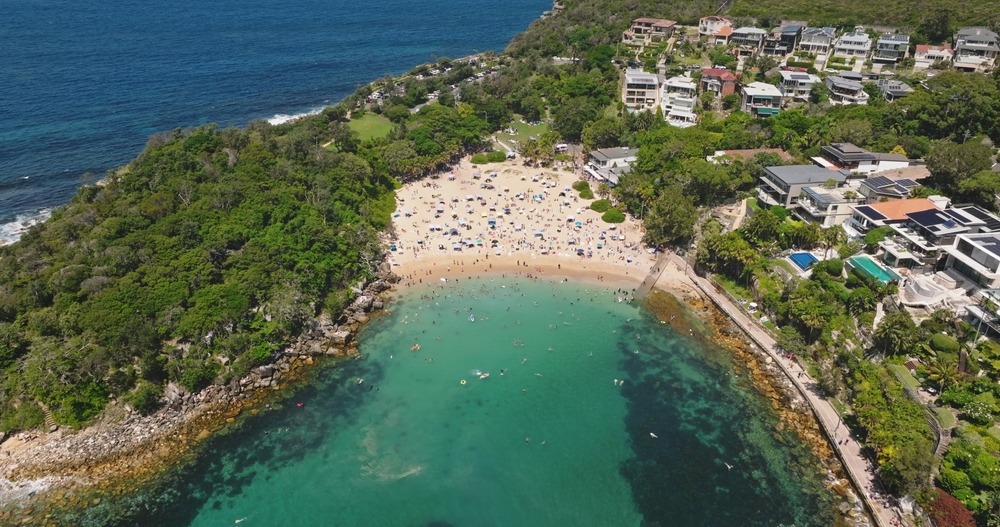
- Honeymoon Bay — sheltered cove with clear water.
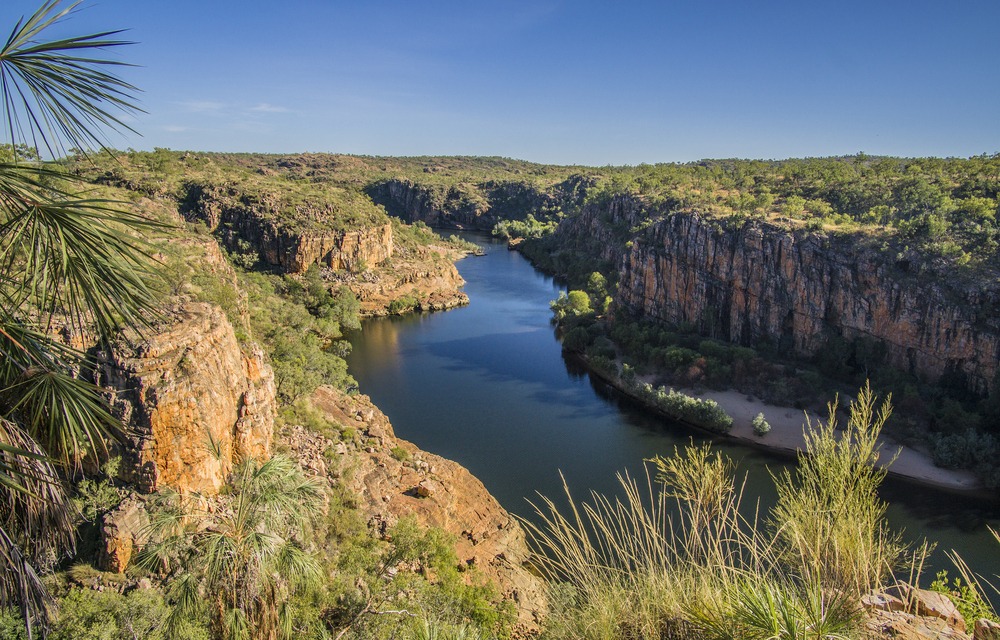
- Cataract Gorge — spectacular gorge near Launceston.
- Devils @ Cradle — sanctuary dedicated to Tasmanian devils.
- Gordon River — wild river in Tasmanian temperate forest.
- Henty Dunes — vast dune system on Tasmania's west coast.
How to get there
From Melbourne
- By car: 1.5 to 2 hours via the Monash Freeway then the South Gippsland Highway. After the San Remo bridge, follow the tourist route to the Rhyll–Newhaven Road.
- By bus: V/Line service to San Remo, Newhaven and Cowes, with local connections to reach Rhyll.
Alternatives
- Pedestrian ferry: service between Stony Point (Mornington Peninsula) and Cowes, then bus or taxi to Rhyll.
- From Cowes: Rhyll is accessible in a few minutes via the Cowes–Rhyll Road.
FAQ
Frequently asked questions
Plan your trip
Rhyll fits naturally into an itinerary combining Melbourne, Phillip Island and Tasmania. To build a bespoke trip including this stop, check out our trips to Australie.

Interested in this visit?
We can include it in your personalised itinerary.