Sydney Central Business District (CBD)
Sydney Central Business District (CBD)
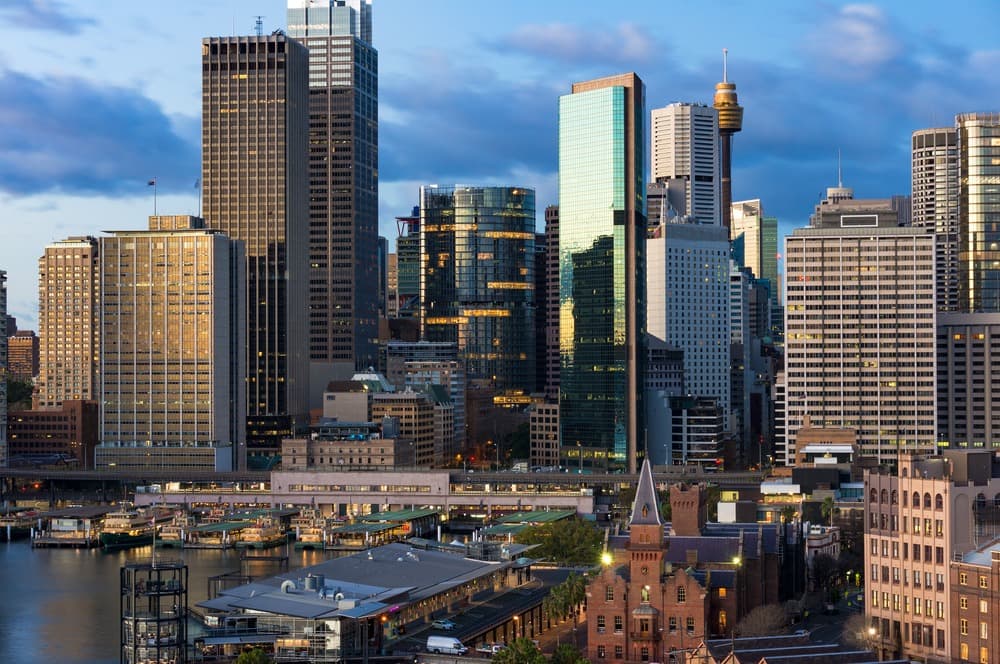
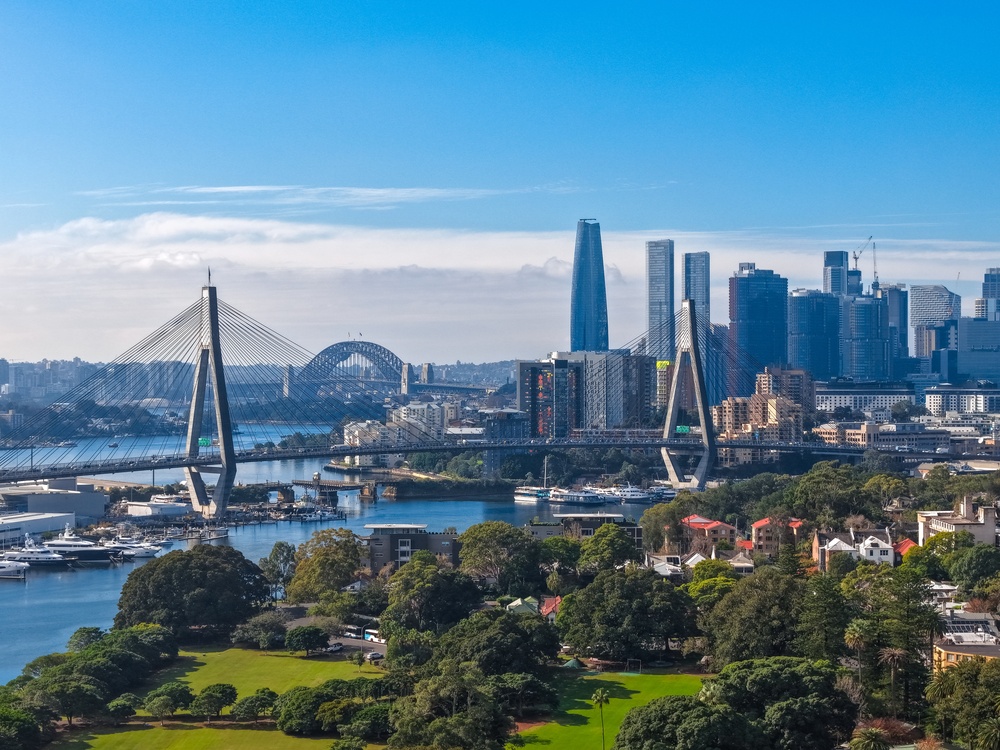
Sydney's CBD brings together the Opera House, Harbour Bridge, the city's main museums and major shopping precincts in the heart of New South Wales' capital.
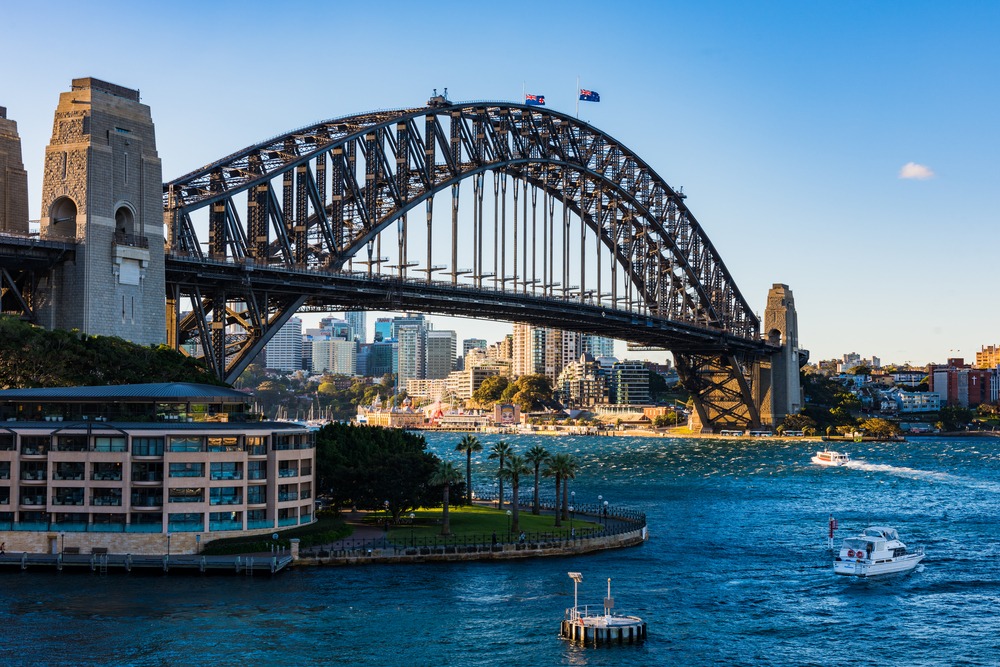
The Central Business District (CBD) of Sydney concentrates the essence of what defines the capital of New South Wales: office towers, colonial buildings, museums, vast parks and two monuments ranked among Australia's most recognisable landmarks—the Sydney Opera House and the Sydney Harbour Bridge. The precinct stretches from Central Station to Circular Quay (north-south) and from Hyde Park to Darling Harbour (east-west), a compact zone easily explored on foot.
Why visit Sydney's CBD
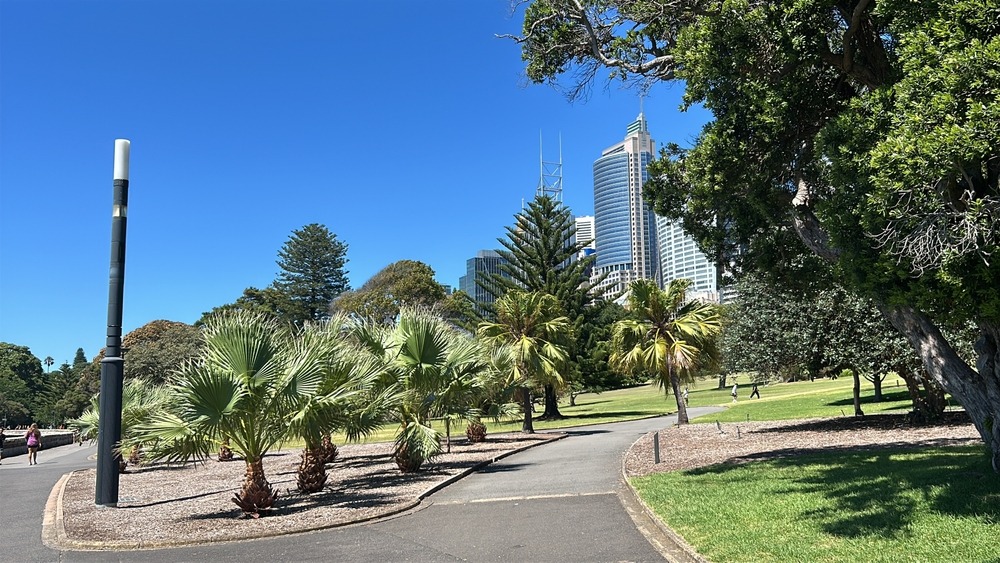
The CBD brings together within a few square kilometres three points of interest rarely found so close: UNESCO-listed architectural heritage, several of the country's oldest cultural institutions and an urban waterfront opening onto the harbour. Hyde Park, the Royal Botanic Garden and The Domain offer green spaces amid the high-rises, while Circular Quay serves as a departure point for ferries crossing the bay.
It's also the precinct where Sydney's administrative history takes shape: the original 'City of Sydney' took form here in the nineteenth century before undergoing more than a century of territorial reshaping.
History of the City of Sydney
The Corporation Act established the 'City of Sydney' in 1842 across 11.65 km², encompassing the areas of Surry Hills, Pyrmont, Woolloomooloo and Chippendale. From 1900 onwards, its boundaries shifted constantly.
Camperdown was incorporated in 1909, followed in 1949 by Darlington, Alexandria, Newtown, Glebe, Waterloo, Erskineville, Redfern and Paddington. The City of Sydney Act of 1988 separated South Sydney and reduced the CBD's area to 6.19 km². In February 2004, the administration merged the two zones again, establishing the current boundaries.
What to see and do in the CBD
Sydney Harbour Bridge
Opened in 1932, this steel arch bridge spans Sydney's natural harbour. Sydneysiders nicknamed it the 'Coathanger' due to its distinctive shape. You can cross it on foot or by bike via a dedicated path. For a more adventurous experience, BridgeClimb offers a guided ascent to the top of the arch, more than 130 metres above the water.
Sydney Opera House
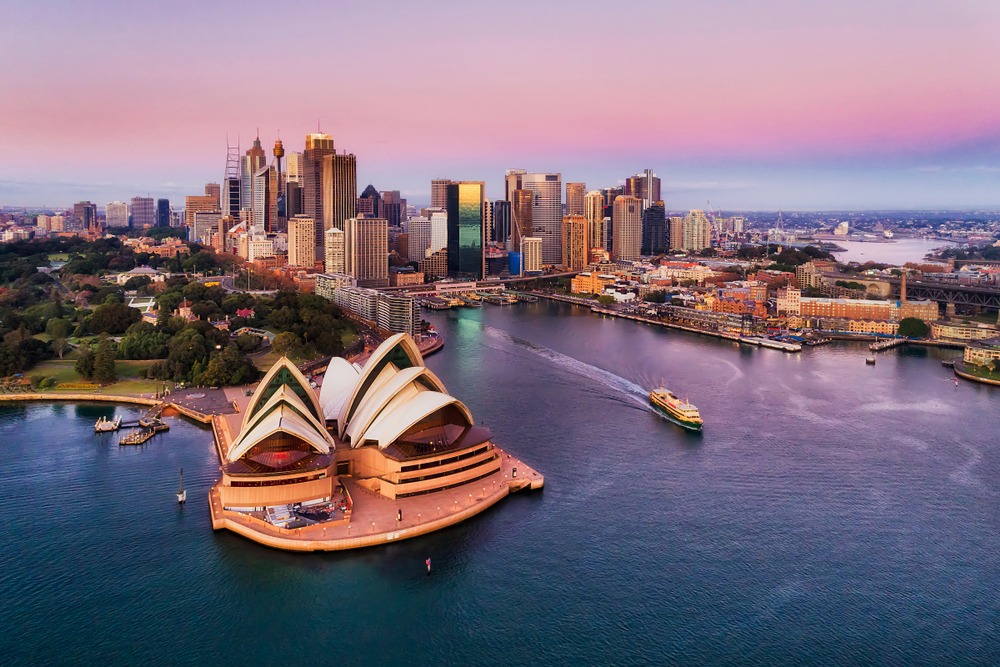
Completed in 1973 after sixteen years of construction, the Opera House was inscribed on the UNESCO World Heritage List in 2007. Its silhouette of white sails rises at the tip of Bennelong Point, between the bay, the bridge and the city centre. Beyond performances (opera, ballet, theatre, concerts), guided tours allow you to explore the backstage areas, auditoriums and engineering of the building.
Museums and libraries
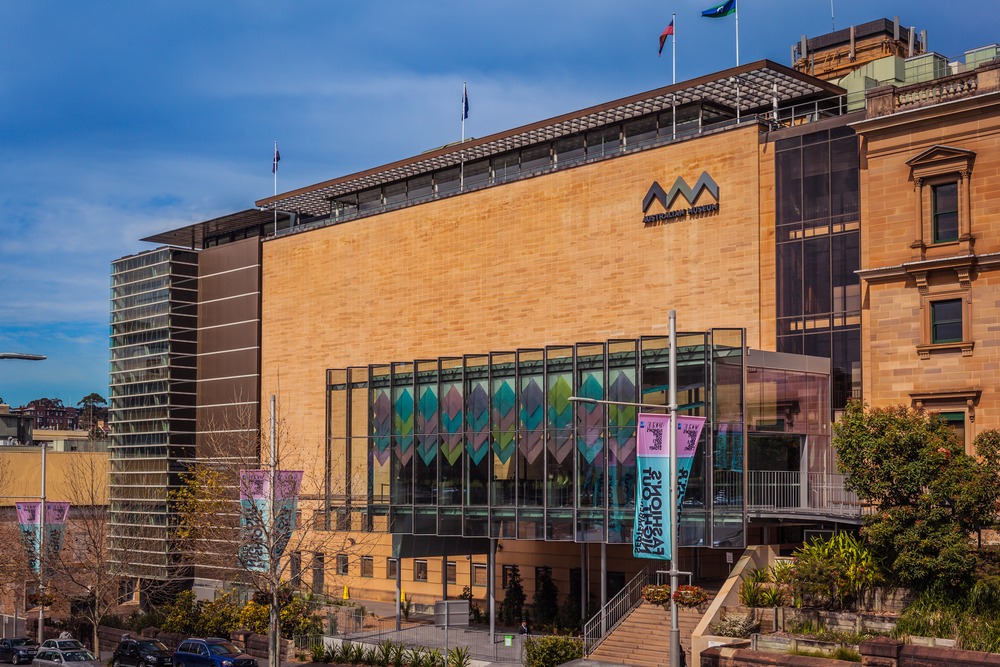
- Australian Museum: Australia's oldest museum, devoted to natural history and anthropology, with significant Aboriginal and Pacific collections.
- Art Gallery of New South Wales: Australian art from the colonial period, European and Asian holdings, temporary exhibitions.
- State Library of New South Wales: founded in 1826, regarded as the country's oldest public library. The Mitchell Library reading room alone is worth the visit.
- Museum of Contemporary Art Australia: located in The Rocks, at the edge of the CBD, in a converted former maritime services building.
Shopping and Chinatown
The Queen Victoria Building and its restored colonial arcades house elegant boutiques and cafés beneath a glass roof. Nearby, Pitt Street Mall and the Westfield Sydney shopping centre bring together international retailers and Australian designers. South of the CBD, Chinatown lines several streets with Cantonese, Malaysian, Thai, Korean and Vietnamese restaurants, as well as yum cha specialists and seafood venues.
Sydney Tower Eye
The highest point of the city skyline, Sydney Tower Eye offers a 360-degree viewing platform. On clear days, views extend to the Blue Mountains to the west and the coastline to the east. The experience typically includes a 4D cinema and interactive displays.
Practical information
- Extent: from Central Station to Circular Quay (north-south axis) and from Hyde Park to Darling Harbour (east-west axis).
- Urban parks: Hyde Park, Royal Botanic Garden and The Domain.
- Visit duration: allow a full day minimum for the main sites, two to three days if you include museums and cruises.
- Budget: moderate to high for dining; several museums offer free entry to permanent collections.
When to visit
Sydney enjoys a temperate climate making the CBD pleasant year-round. The Australian summer (December–February) is warm and humid, ideal for waterside activities but crowded during year-end festivities and New Year's Eve fireworks over the harbour. Spring (September–November) and autumn (March–May) offer milder conditions and a better balance between crowds and weather. Winter (June–August) remains mild and coincides with the Vivid Sydney festival, which illuminates the CBD's facades, Opera House and bridge.
How to get there
The CBD is one of Australie's best-served precincts:
- Train: the City Circle line serves the precinct's main stations (Town Hall, Wynyard, Circular Quay, Martin Place, St James, Museum). NSW TrainLink services connect Sydney to other cities across the state.
- Tram: lines L2 and L3 cross George Street and link Circular Quay to the city's south-east.
- Ferries: from Circular Quay to the North Shore, Manly, Watsons Bay and Parramatta. The Parramatta–Barangaroo–Circular Quay river ferry reaches the CBD in under an hour.
- Air: Kingsford Smith Airport is connected to the CBD by the Airport Link in about ten minutes.
Nearby
Several natural extensions of the CBD are worth adding to your itinerary:
- Sydney Harbour: the bay, its coves and ferries, to explore from Circular Quay.
- The Rocks: historic colonial precinct, weekend markets and heritage pubs.
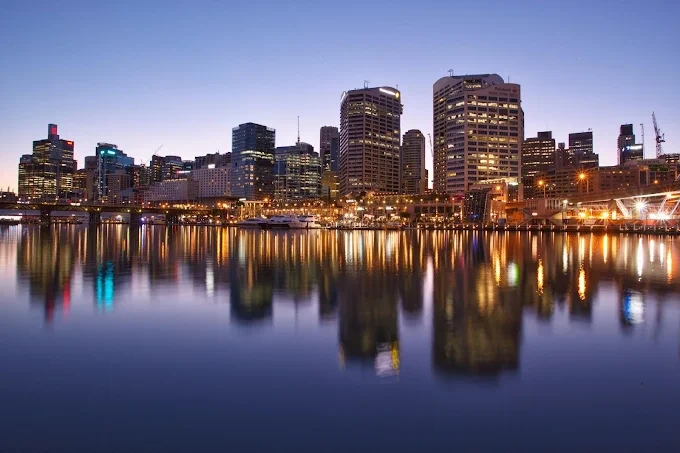
- Darling Harbour: aquarium, maritime museum and waterfront promenades.
- Southern Highlands: rural escape south of Sydney, accessible by train or car.
Frequently asked questions
Frequently asked questions
One day allows you to see the exteriors of the Opera House, Sydney Harbour Bridge and one museum. Allow two to three days to include Chinatown, several museums, Sydney Tower Eye and a ferry crossing.
Yes. The main sites are located within a 2–3 km radius around George Street, the central axis. The L2/L3 tram and City Circle train line supplement your movements.
Yes, via BridgeClimb, which offers a guided ascent of the upper arch. A free alternative is to climb to the Pylon Lookout from the Rocks side.
Spring (September–November) and autumn (March–May) offer mild weather and reasonable crowds. Winter coincides with the Vivid Sydney festival in May–June.
Yes, daytime guided tours allow you to walk through the auditoriums and backstage areas, in multiple languages. Booking is recommended.
Plan your trip
The CBD is the logical starting point for exploring Australia's south-east. To build a comprehensive itinerary including Sydney, the coast and the hinterland, explore our bespoke Australie travel packages.
Nearby
Interested in this visit?
We can include it in your personalised itinerary.