Territory Wildlife Park
Territory Wildlife Park
Located 50 km south of Darwin, Territory Wildlife Park showcases Northern Territory wildlife across 400 hectares of savanna and wetlands: crocodiles, raptors, bilbies and native fish in semi-natural habitats.
Some fifty kilometres south of Darwin, Territory Wildlife Park sprawls across more than 400 hectares of tropical savanna and wetlands in Australia's Northern Territory. The park presents Australian wildlife in meticulously recreated habitats at scale: reptiles, birds, mammals and native fish coexist in spacious, semi-natural enclosures. It's one of the few places to experience the ecological diversity of the Top End in a single day without venturing deep into the outback.
Essentials at a Glance
- Admission: Paid entry (adults, children and families — check the official website for current rates)
- Access: Car recommended from Darwin via the Stuart Highway then Cox Peninsula Road; no regular public transport
- Suggested Duration: A full day to cover the entire park
- Dress Code: Closed-toe shoes advised; hat and sunscreen essential during the dry season
- Accessibility: Main pathways wheelchair-accessible; internal train available for visitors with reduced mobility
What You'll See
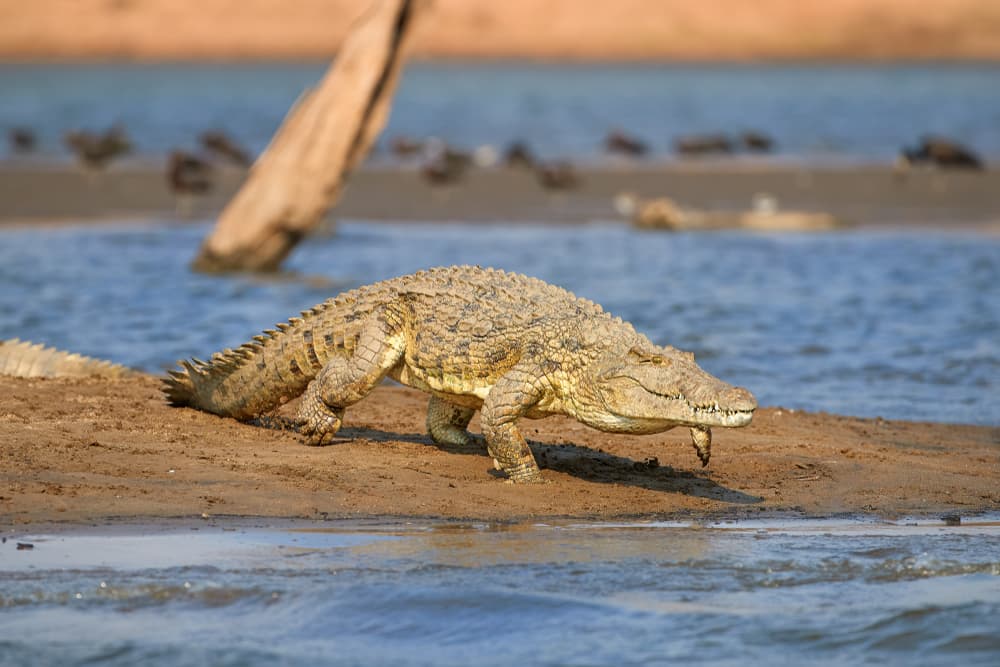
The park is organised around several distinct habitats. The nocturnal house immerses visitors in darkness to observe active nocturnal animals: bilbies, bandicoots and bats. The freshwater aquarium displays Top End fish species, including barramundi. Giant mesh aviaries allow you to walk among native birds. Reptiles — freshwater and saltwater crocodiles, monitor lizards and pythons — inhabit spacious enclosures.
History and Context
Opened in 1989, Territory Wildlife Park is managed by the Northern Territory Government. Its dual purpose centres on public education and conservation of indigenous species. Several breeding programmes focus on threatened species, notably the bilby. The park collaborates with Australian scientific institutions on tropical ecology research.
Highlights of Your Visit
Animal Presentations
Daily sessions feature raptors in free flight, snakes handled by keepers and crocodile feeding demonstrations. Schedules vary by season; check the programme at the entrance upon arrival.
The Internal Train
A small train circles the park along a several-kilometre route. Practical for families with young children or visitors who want an overview before exploring on foot.
The Wetlands
Recreated billabongs attract abundant birdlife: jabirus, egrets and native ducks. During the dry season (May to October), bird concentrations around water points are particularly dense.
The Nocturnal House
A rare opportunity to observe species active at night in conditions close to their natural environment. Darkness is total; allow a moment for your eyes to adjust at the entrance.
Photography Tips
Morning light is ideal in the aviaries and around the billabongs. The nocturnal house prohibits flash — a camera capable of low-light performance is essential. For crocodiles, feeding presentations offer the best opportunities for dynamic shots.
Location and Access
The park is situated at Berry Springs, approximately 50 km south of Darwin. A car is the only practical way to reach it. From Darwin, allow around 45 minutes via the Stuart Highway. No regular public transport serves the site. Parking is free and spacious. Organised tours departing Darwin are offered by several local operators.
Nearby
- Berry Springs Nature Park — natural pools and waterfalls minutes from the park, perfect for a swim at day's end.
- Litchfield National Park — magnetic termite mounds, waterfalls and natural pools roughly an hour's drive away.
- Darwin Waterfront — Darwin's waterfront featuring a secure swimming lagoon and restaurants, 50 km north.
Frequently asked questions
The dry season (May to October) is most pleasant: moderate heat, wildlife concentrated around water points and walkable pathways. The wet season (November to April) is hotter and more humid, but vegetation is lush.
A full day is recommended to cover all habitats and catch animal presentations. A half-day allows you to see the highlights if you use the internal train.
Yes, both sites are accessible by car from Darwin. Plan a day per site to enjoy each fully; combining both in one day is possible but demanding.
Photography is allowed in nearly all of the park. The nocturnal house prohibits flash to avoid disturbing nocturnal animals.
Yes. The internal train, animal presentations and accessible enclosures make it a family-friendly destination. Bring hats, water and sunscreen in adequate quantities.
Interested in this visit?
We can include it in your personalised itinerary.