Barangaroo Reserve
Barangaroo Reserve
Six hectares of pre-colonial foreshore recreated northwest of Sydney, featuring native plants, panoramic harbour views, and an Aboriginal cultural program at The Cutaway.
The Barangaroo Reserve occupies six hectares on the north-western shore of Sydney's city centre, on the site of a former shipyard that has been rehabilitated. Opened in 2015, it offers a reconstructed sandstone foreshore, a vantage point over the harbour, and a cultural centre dedicated to Aboriginal heritage. Access is free, open 24/7.
Why visit Barangaroo Reserve
The site stands apart from most urban parks in Sydney through its ambition: to restore the pre-colonial coastline that was erased by a century of industrial activity. The result combines extensive landscaping (over 75,000 native plants), an Indigenous cultural programme run from the The Cutaway centre, and unobstructed views across the harbour and Sydney Harbour Bridge.
Free admission and permanent access make it a natural stop between Circular Quay and Darling Harbour for visitors who wish to understand the deeper history of the bay beyond the Opera House.
History of the site
Before European colonisation, the promontory was part of the territory of the Cammeraygal, one of the Eora clans of the Sydney region. The rocky shoreline was levelled in the 19th century to accommodate port facilities, then a shipyard that would occupy the site for several decades. The rehabilitation launched in the 2000s was a public park project costing approximately $250 million, designed by American landscape architect Peter Walker in collaboration with Australian firm Johnson Pilton Walker. The current shape of the promontory, with its sandstone blocks and coves, reproduces the topography documented at the arrival of the First Fleet in 1788.
Who was Barangaroo?
Barangaroo was an influential Cammeraygal woman from the late 1700s and wife of the elder Bennelong. Early colonial chronicles describe her as a "fierce and unsubmissive character". One frequently reported scene illustrates this stance: invited to a dinner at the Governor's residence, she refused to wear the European clothing offered to Eora women and instead appeared with a bone through her nose, in accordance with her clan's customs. Dedicating the reserve to her reflects an effort to recognise Aboriginal figures long absent from the city's place names.
What to see and do
Botanical richness
Over 75,000 native trees, plants and shrubs were planted during the creation of the park, selected from historical surveys of local flora. To support pollination, colonies of Australian native bees have been reintroduced to the site. Among the species visible along the trails:
- Port Jackson Fig (Ficus rubiginosa)
- Kangaroo Vine
- Coral Fern
- New Zealand Spinach
- Showy Boronia
- Red-stemmed Acacia
- Gymea Lily
The Cutaway cultural centre
Set into the hillside of the park, The Cutaway is a vast underground space hosting exhibitions, artistic installations, and events related to First Nations culture. It is also the information point for guided tours led by Indigenous guides, which cover spirituality, pre- and post-colonial history, the food and medicinal uses of plants, and the handling of traditional tools and weapons. The frequency of these tours varies by season and programming; it is best to check the schedule before your visit.
Birdwatching
The promontory attracts a relatively diverse range of birds for an urban park. The Silver Gull is the most common bird, sometimes becoming invasive around picnics. The White-faced Heron hunts crustaceans and small fish on the rocks at low tide. Also recorded are the Laughing Kookaburra, the Superb Fairywren, and the Powerful Owl, a nocturnal raptor. In total, around 150 bird species are said to have been recorded on the site and its immediate surroundings according to counts cited by the park manager.
Views, coves and vantage points
Trails wind gently upward to upper vantage points, opening onto the harbour, the Harbour Bridge, and the business district. Below, several sandstone coves allow you to descend to water level. The promontory paths are accessible on foot, by bike, or skateboard.
Practical information
- Access: free, 24/7
- Visit duration: allow 1 to 2 hours for a circuit of the promontory, longer if combining with a guided tour or exhibition at The Cutaway
- Equipment: closed shoes for sandstone trails, water and hat in summer, shade is limited
- Picnicking: permitted, with several areas set up on the waterfront
When to visit
The park can be visited year-round. As Sydney has a temperate climate, the most pleasant periods are Australian spring (September–November) and autumn (March–May), with moderate temperatures and more prominent flowering of native species. Summer (December–February) can be hot and shade is scarce on the promontory; opt instead for early morning or late afternoon, when the light on the sandstone is also most photogenic.
How to get there
The reserve is located at the northern end of the Barangaroo neighbourhood, about 10–15 minutes' walk from Circular Quay and the Harbour Bridge.
- Train: Wynyard station, about 10 minutes' walk away
- Light rail / ferry: Barangaroo stop, served by ferries from Circular Quay
- Bike: the park is connected to the port's cycle network and has through-paths
- Car: not recommended; surface parking is limited; a paid underground car park exists beneath Barangaroo South
Nearby
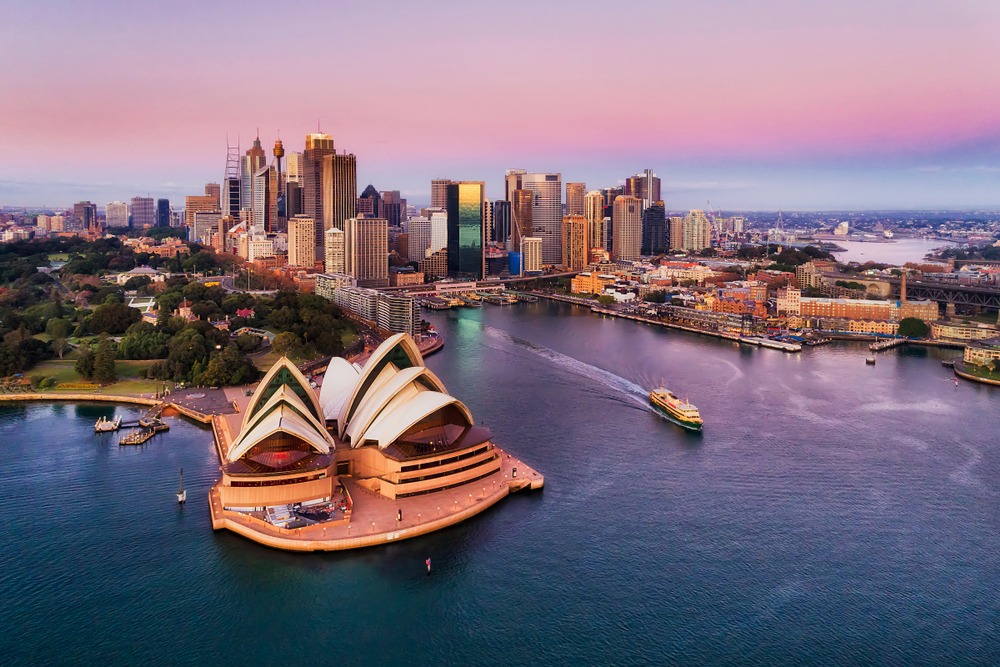
- Circular Quay and Sydney Opera House: 15–20 minutes' walk via the harbour promenade
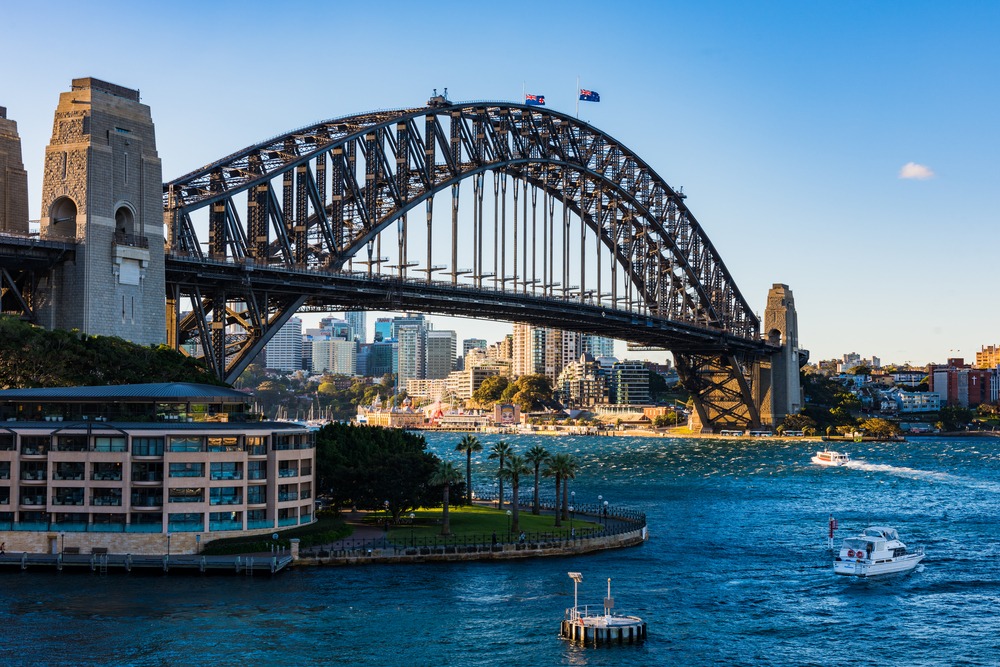
- Harbour Bridge and The Rocks: historic neighbourhood adjacent, accessible in 10 minutes
- Darling Harbour: to the south, a natural extension of a waterfront walk
- Australian Museum: to deepen your understanding of First Nations culture and the region's natural history
- Injalak Arts Centre: if an interest in Aboriginal art leads you to the Northern Territory
Frequently asked questions
Frequently asked questions
Include Barangaroo in your trip
Barangaroo Reserve fits naturally into a Sydney stay centred on the harbour and First Nations history. To build a bespoke itinerary in Australie including Sydney and other cultural stops, consult our trips to Australie.
Nearby
Interested in this visit?
We can include it in your personalised itinerary.