Cradle Mountain (The Cradled Peak)
Cradle Mountain (The Cradled Peak)
UNESCO-listed iconic peak in Tasmania, Cradle Mountain features glacial lakes, marsupial wildlife and the start of the 60 km Overland Track.
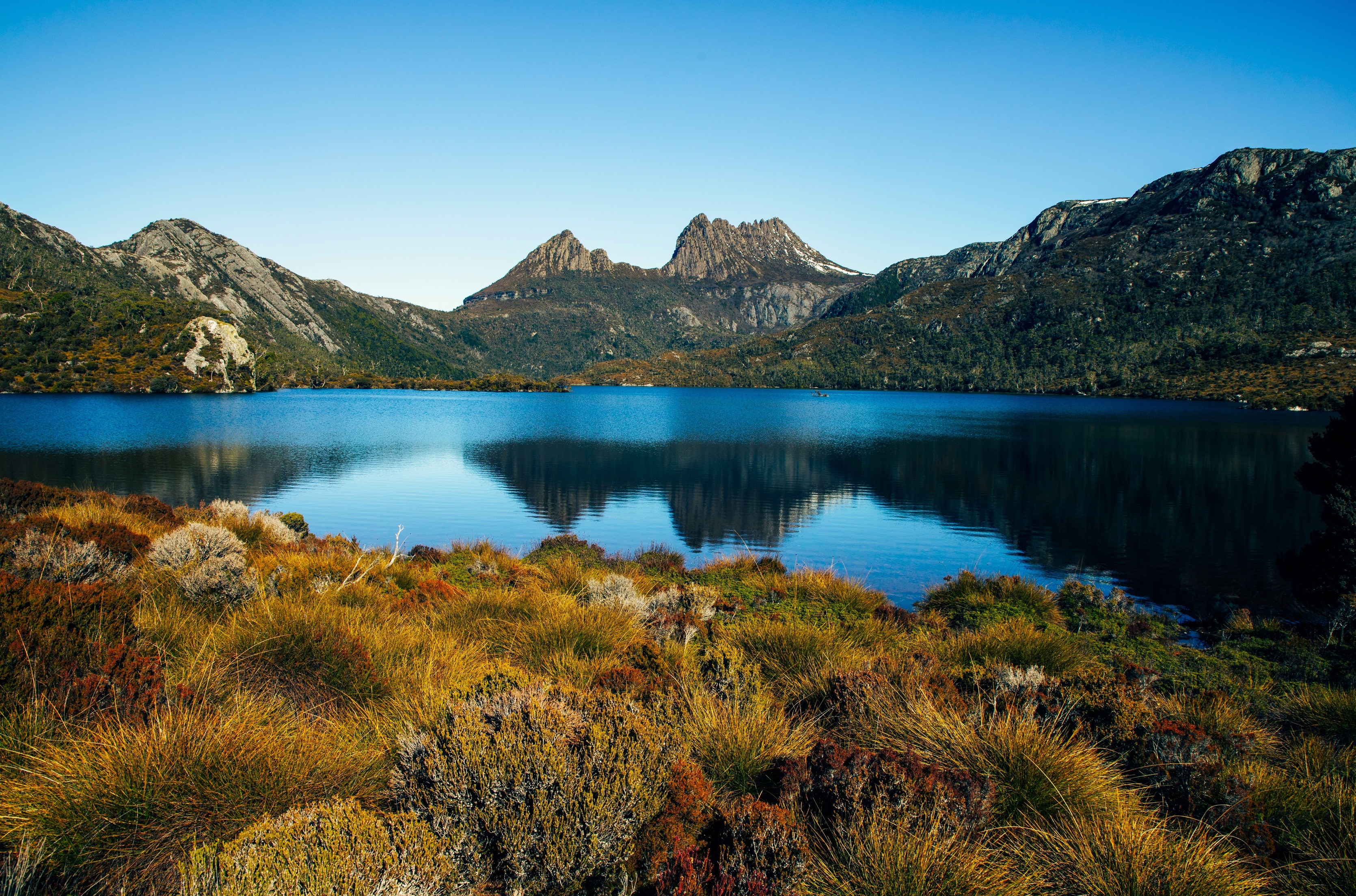
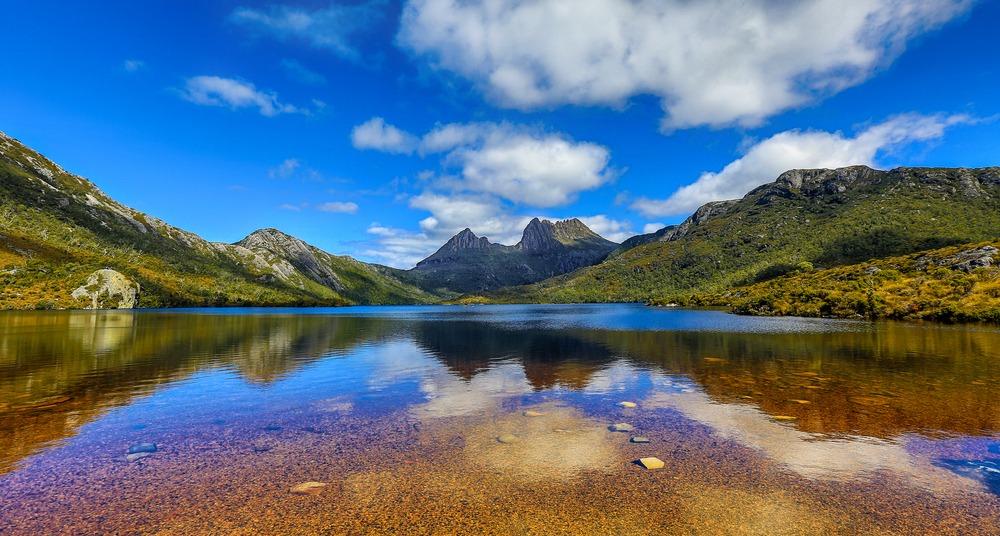
Cradle Mountain is one of Tasmania's most iconic peaks, located in the north of Cradle Mountain-Lake St Clair National Park, a UNESCO World Heritage site. Its glacial lakes, ancient forests and endemic wildlife make it one of Australie's most visited hiking destinations.
Why Visit Cradle Mountain
The site brings together several rare attractions: an alpine landscape reaching 1,545 m, a network of well-marked trails suitable for all levels, easily observable marsupial wildlife and status as a world biosphere reserve. The park is also home to the start of the Overland Track, one of the country's great long-distance walking routes.
History of the Site
The name Cradle Mountain was given by explorer Joseph Fossey in 1827. The etymology remains debated: for some, the peak recalls the shape of a miner's cradle nestled between rocky ridges; for others, the name comes from the cradle, the tool used by gold prospectors. Mining activities did indeed continue in the region until 1930, and logging by hunters, trappers and woodcutters extended from the 1830s through the 1970s.
Site protection owes much to Austrian-born botanist Gustav Weindorfer, naturalized in Australie, and his wife Kate, who launched the first conservation projects from 1922 onwards. Cradle Mountain became a national park in 1971, then was incorporated into the Tasmanian Wilderness World Heritage Area in 1982.
What to See and Do
Cradle Mountain's summit stands at 1,545 m. The ascent can be completed in one day by experienced hikers, but the park also offers multi-day routes alternating between rainforests, glacial valleys, rocky ridges and lakes.
The Overland Track
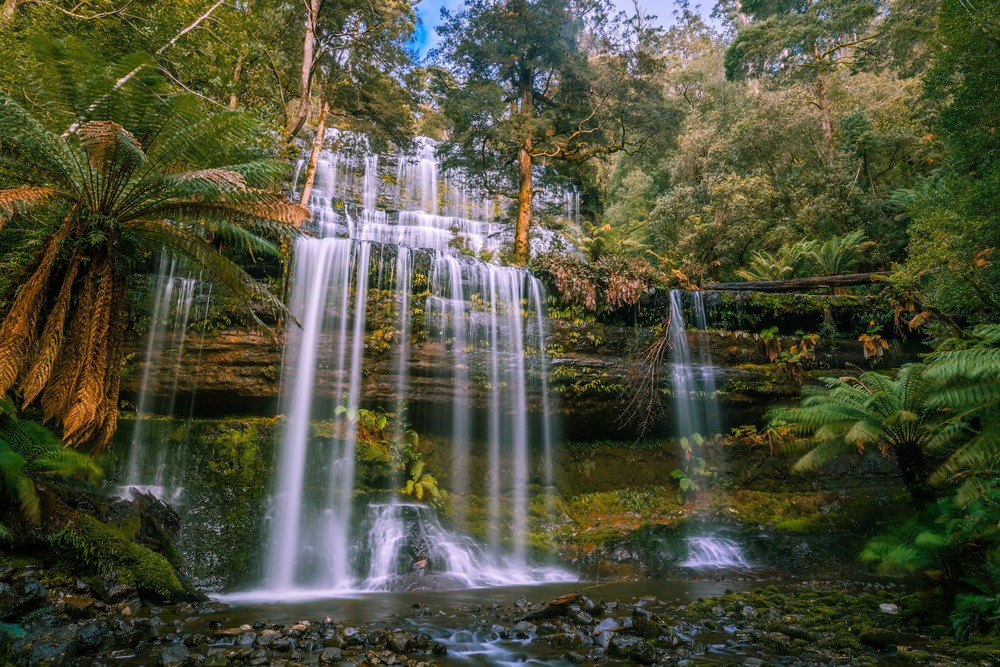
The Overland Track connects Cradle Mountain to Lake St Clair over more than 60 km, completed in 6 to 7 days depending on pace. The route crosses grassy plains, dense forests, waterfalls and several passes. Huts (refuge shelters) dot the itinerary and allow you to break up the stages. Wild camping is prohibited; only designated sites near huts are permitted. The trail ends at Lake St Clair, Australie's deepest natural lake.
Wildlife Watching
Wildlife is one of the park's major attractions. You have a strong chance of encountering a wombat, a stocky herbivorous marsupial often venturing near trails at day's end. The region is home to kangaroos, possums, echidnas and platypuses in waterways. The park hosts over 70 bird species, including the Green Rosella, a parrot endemic to Tasmania.
The Tasmanian devil, a nocturnal carnivorous marsupial, is also present, but spontaneous sightings remain rare; some centres around the park offer guided observations.
Other Activities
In summer, the park is ideal for canoeing on inland lakes and canyoning in certain gorges. Several areas are open to mountain biking. Boat trips on Lake St Clair are organized from Cynthia Bay, as well as fly-fishing days in season. Helicopter flights offer a rapid overview of the glacial landscape for those with a generous budget.
When to Visit
The climate is notoriously humid: it rains on average 300 days per year on the massif, and conditions can change abruptly. A waterproof jacket and several warm layers are essential, even in mid-summer.
- Summer (December–February): most stable conditions for hiking, long days, but heavy crowds.
- March: often recommended period, drier climate, average temperature around 13°C, fewer visitors.
- Autumn (April–May): marked colours, especially endemic fagus in late April.
- Winter (June–August): snow possible, demanding trails, wildlife more elusive.
Peak season runs from November to March.
Practical Information
Access to Cradle Mountain-Lake St Clair National Park is fee-based via a pass issued at the visitor centre. Several options exist: day pass, two-month pass covering all Tasmania's national parks, and a specific vehicle rate. Budget a modest amount per person. The pass includes access to the shuttle servicing main trail starting points, recommended as parking within the park is limited.
The visitor centre opens daily during daytime hours, with extended hours during peak season. Maps, weather bulletins and essential safety information are available before any hike.
How to Get There
Cradle Mountain is approximately 1.5 hours' drive from Devonport, the ferry port arriving from Melbourne, and 2.5 hours from Launceston via Sheffield, taking routes C136 then C132. Both routes are sealed. No direct public transport serves the park; most visitors arrive by rental car or organized shuttle from Launceston or Devonport.
Nearby
Your stay is best combined with other Tasmanian and Australie sites:
- Cradle Mountain National Park: encompasses Cradle Mountain and Lake St Clair, with other high-altitude trails.
- Cape Raoul: spectacular dolerite cliffs in south-east Tasmania.
- Crocosaurus Cove: crocodile centre in Darwin, to extend an Australie circuit.
Frequently Asked Questions
Frequently asked questions
Yes. Between October and May, a paid Overland Track permit is mandatory, with one-way direction imposed from north to south and limited daily start numbers. Outside this season, access is free but the route becomes more demanding. Booking is done online in advance via Parks & Wildlife Service Tasmania.
Spontaneous encounters are rare as the species is nocturnal and endangered. Several sanctuaries around the park offer guided evening observations, more reliable than searching on your own.
Ankle-supporting hiking boots, waterproof jacket, fleece, hat and gloves even in summer, water bottle, snacks and a map of the area. For the Overland Track, complete camping gear and a camp stove are essential, as fires are prohibited.
One day allows you to complete the Dove Lake loop and reach Marions Lookout. Two to three days are needed to climb the summit and explore several trails. The Overland Track requires 6 to 7 days.
Yes. Several short, flat trails depart from the visitor centre, including the Enchanted Walk and part of the Dove Lake loop, suitable for children and people with reduced mobility on certain sections.
Plan Your Trip
Cradle Mountain fits naturally into a Tasmanian circuit combining coasts, national parks and colonial towns. To prepare your itinerary and link it with other regions of the country, see our Australie travel suggestions.
Interested in this visit?
We can include it in your personalised itinerary.