Devils @ Cradle
Devils @ Cradle
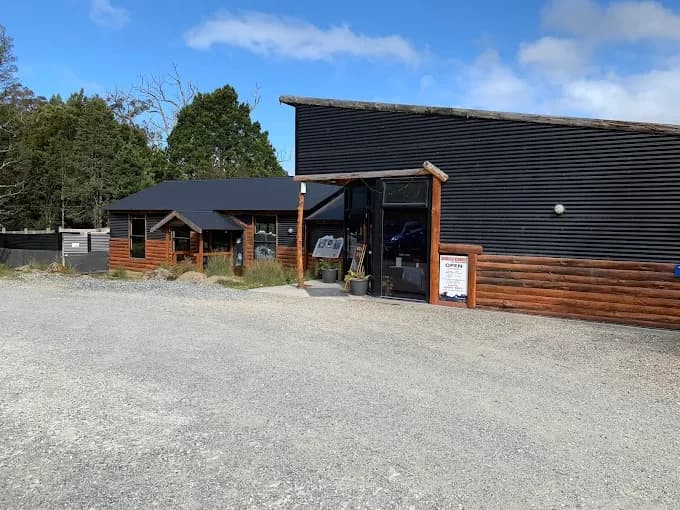
Located 500 metres from Cradle Mountain National Park, this sanctuary protects the Tasmanian devil and two quoll species as part of an official conservation program.
Five hundred metres from the main entrance to Cradle Mountain-Lake St Clair National Park, a UNESCO World Heritage site, the Devils @ Cradle sanctuary is dedicated to three species endemic to Tasmanie: the Tasmanian devil, the spotted-tailed quoll, and the eastern quoll. The facility combines captive breeding, care for injured animals, and public education on island wildlife conservation.
Why visit Devils @ Cradle
The sanctuary offers one of the rare opportunities to observe the Tasmanian devil in conditions close to its natural habitat. Unlike a conventional zoo, the facility operates as an active conservation centre: visitor fees directly fund breeding and reintroduction programmes. The spacious, forested enclosures recreate the Tasmanian alpine environment, allowing visitors to observe animals in their natural behaviours.
The other appeal lies in the diversity of visit formats: daytime, twilight, and night. Since devils are nocturnal, late-afternoon sessions provide access to their peak activity phase, complete with interactions, vocalisations, and keeper-led feeding commentary.
Sanctuary history
The project emerged in the early 2000s, driven by a health crisis. The Tasmanian devil population was collapsing due to Devil Facial Tumour Disease (DFTD), a contagious and fatal facial tumour that still threatens the species' survival today. Creating a secure sanctuary in an alpine zone, away from contamination hotspots, proved an effective strategy for preserving healthy individuals and establishing a reserve population.
Devils @ Cradle has gradually become integrated into the official "Save the Tasmanian Devil Program", in collaboration with biologists, veterinarians, and zoological institutions. The centre now houses between 80 and 100 individuals from the three protected species. It also undertakes reintroduction missions for animals returning to their natural habitat and serves as a care facility for injured or orphaned animals rescued in the region.
What to see and do
Self-guided and guided tours
Self-guided visits allow you to explore the enclosures at your own pace, with bilingual information panels. Keeper-led guided tours offer deeper insights: species biology, DFTD disease mechanisms, and the challenges of captive breeding.
Feeding sessions and nocturnal activity
Feeding sessions, scheduled throughout the day and evening, are the highlight. The Tasmanian devil displays its scavenging behaviour, sometimes loud, often spectacular. Allow approximately 1 to 1.5 hours for a visit that includes a feeding session.
Special experiences
- Keeper Tour: behind-the-scenes access to the centre, presentation of veterinary work and health protocols.
- Joey Encounter: close observation of young devils and quolls.
- Dine with the Devil: dinner accompanied by a keeper-led feeding commentary, available November to April only (tourist season).
Practical information
Address: 3950 Cradle Mountain Road, Cradle Mountain, TAS 7306.
The sanctuary is open year-round. Feeding times and guided tour schedules vary by season: check the official website before visiting and book special experiences (Joey Encounter, Keeper Tour, Dine with the Devil), as places are limited. Entry fees remain modest given the conservation mission, with day plus evening combined tickets generally offering better value. Free parking on site. Bring warm clothing, even in summer: the alpine climate is cool and changeable.
When to visit
The sanctuary can be visited year-round, but the experience varies considerably by season. November to April (Australian spring-summer) remains the most favourable period: milder temperatures, long days, and access to seasonal experiences like Dine with the Devil. This is also peak season for the neighbouring national park, so accommodation should be booked ahead.
May to September (Australian autumn-winter) offers quieter visits and winter light that gives the site a distinctive atmosphere. Snow is possible. Devils, being cold-hardy, remain active.
How to get there
- By car: from Launceston, allow approximately 1.5 hours; from Burnie, approximately 1 hour. The route uses the Bass Highway (A1) then the B21 (Cradle Mountain Road).
- By shuttle: bus services connect Launceston and Devonport to the Cradle Mountain area. A local transfer (taxi or shuttle) is then needed to reach the sanctuary. Booking recommended.
- By organised tour: several Tasmanian operators offer day tours combining transport, sanctuary entry, and hiking in the national park.
Nearby attractions
Cradle Mountain is just one stop on a broader Tasmanian and Australian itinerary. To extend your visit, several complementary sites are worth exploring:
- Cataract Gorge in Launceston, a logical starting point before or after Cradle Mountain.
- Blue Mountains, another iconic UNESCO site, in New South Wales.
- Australian Museum in Sydney, to deepen your knowledge of Australian wildlife.
- Bondi Beach, to conclude your journey on the Pacific coast.
Frequently asked questions
Frequently asked questions
To incorporate Cradle Mountain and Tasmanie into a broader itinerary, explore our Australie travel packages.
Interested in this visit?
We can include it in your personalised itinerary.