Great Barrier Reef
Great Barrier Reef
The world's largest coral reef system, the Great Barrier Reef stretches for 2,200 km along Queensland's coast, accessible from Cairns and several ports on the east coast.
The Great Barrier Reef is the world's largest coral reef system. Inscribed on the UNESCO World Heritage List since 1981, it extends for more than 2,200 km along the coasts of Queensland, from Cape York in the north to Bundaberg in the south. From Cairns, the reef's principal gateway, you can reach the dive sites and tropical islands that make up this marine environment in a matter of hours.
Why visit the Great Barrier Reef
The reef covers 350,000 km² and comprises over 900 islets and islands as well as 3,000 distinct reefs, the majority of which form the Great Barrier Reef Marine Park. This ecosystem is home to over 500 species of algae, 2,000 varieties of soft and hard corals and approximately 1,500 species of tropical fish. The diversity of underwater landscapes (coral gardens, sheer drop-offs, shallow lagoons) means both novice and experienced divers can find a site suited to their level.
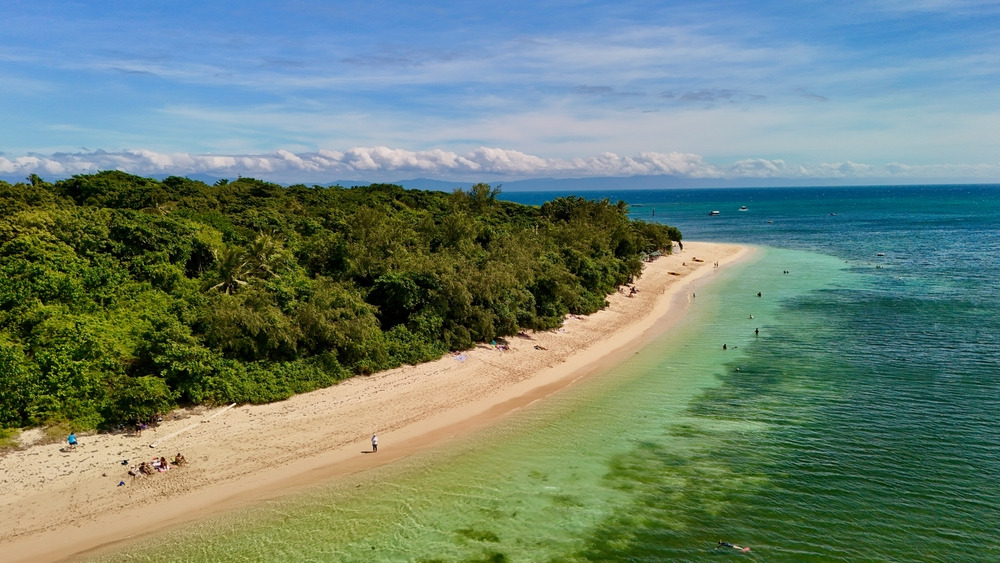
Beyond diving, the site combines pristine white-sand beaches, lush tropical forests on continental islands and iconic marine life: manta rays, green sea turtles, reef sharks, dolphins and, in season, humpback whales.
A brief history
The first European to navigate the area was Captain James Cook, whose expedition set out in 1768. His vessel, the Endeavour, ran aground on the reef on June 11, 1770, an event that revealed to Europeans the full extent of the coral barrier stretching along Australia's east coast. The Aboriginal peoples and Torres Strait Islander communities, however, have maintained a connection with these waters for millennia, as evidenced by coastal archaeological sites.
The reef was designated a marine park in 1975, then inscribed as a World Heritage site six years later. Since the 2000s, it has been subject to intensive scientific monitoring due to bleaching episodes linked to rising water temperatures.
What to see and do
Dive the inner reefs
Departing from Cairns, the sites of Norman Reef, Hastings Reef, Thetford Reef and Saxon Reef are the most popular for day trips. They are equally suitable for snorkelling and introductory scuba diving. You'll encounter clownfish, parrotfish, giant clams and, if you're lucky, whitetip reef sharks patrolling the coral passages.
Explore the outer reefs
Further offshore, in the Coral Sea, the outer reefs offer clearer water and larger marine life. Osprey Reef is known for its sheer drop-offs and shark schools, Cod Hole for its giant groupers accustomed to divers, and Ribbons Reef for its ten narrow reef formations accessible only by multi-day cruise.
Choose an island
Three main types of islands punctuate the reef:
- Coral islands: Green Island, Lady Musgrave, Lady Elliot, Lizard, Orpheus and Heron, situated directly on the reefs.
- Continental islands: Dunk Island and Fitzroy Island, a national park with lush vegetation.
- Whitsundays: a submerged former mountain range, ideal for sailing and snorkelling, particularly at Hook Island.
When to go
The region enjoys a tropical climate, with average water temperatures of 27°C year-round. The dry season, from May to October, remains the most favourable period: rare rainfall, crystal-clear waters and the absence of box jellyfish, whose stings can be fatal. Outside the dry season, a full-length wetsuit is essential for swimming.
A few observation windows to note:
- July-August: passage of humpback whales, which travel to the Great Barrier Reef from New Caledonia.
- November to January: turtle nesting and hatching at Heron Island and Lady Elliot.
How to get there
Several coastal Queensland cities serve as departure bases. From north to south:
- Cairns and Port Douglas: quick access to inner reefs and northern islands (Green, Fitzroy, Lizard).
- Townsville: departure point for Orpheus and Magnetic Island.
- Airlie Beach: gateway to the Whitsundays.
- Mackay, Gladstone and Bundaberg: access to southern reefs and islands, including Heron and Lady Elliot.
Cairns International Airport has the best connections for travellers from Europe. Locally, operators offer day trips (catamaran, glass-bottomed boat, semi-submersible) or 3 to 7-day cruises to reach the outer reefs.
Practical information
- Duration of visit: a minimum of one day for inner reefs, 3 to 7 days to combine outer sites and islands.
- Required level: none for snorkelling and glass-bottomed boats; supervised diving baptisms available everywhere.
- Island accommodation: from camping (Lady Musgrave, Whitsundays) to eco-lodges and resorts (Lizard, Hayman, Heron).
- Conservation: the reef is vulnerable to coral bleaching. Favour operators with Eco Tourism or Master Reef Guides accreditation and avoid using non-biodegradable sunscreen.
- Safety: follow your guide's instructions, stay in groups and report any interaction with a shark or ray.
What to see in the region
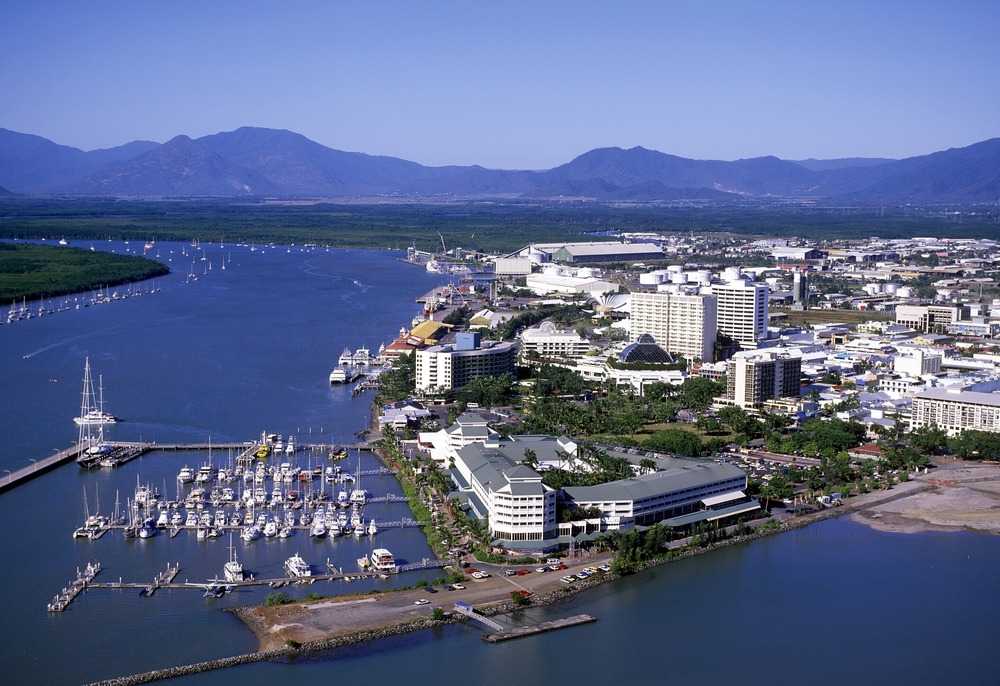
- Cairns: port city and main logistical base.
- Cradle Mountain National Park: to extend your stay on the Tasmania side.
- Gordon River: river cruises in a temperate setting, a complete contrast to the reef.
Frequently asked questions
Frequently asked questions
No. Snorkelling from a boat or island allows you to observe corals and fish at shallow depths. For scuba diving, diving baptisms supervised by an instructor are offered on most day trips, with no prior certification required.
One day is enough to discover an inner reef from Cairns or Port Douglas. To explore outer reefs (Cod Hole, Ribbons, Osprey) or multiple islands, allow 3 to 7 days by cruise.
Box jellyfish are primarily present from November to April, near the coast. Their stings can be fatal. In season, swim only in netted areas or wear a full-length wetsuit. On offshore reefs, the risk is very low.
Yes, several major bleaching episodes have affected the reef since 2016. Some areas are regenerating, while others remain vulnerable. Choosing an operator committed to conservation helps minimise the impact of visits.
The main bases are Cairns, Port Douglas, Airlie Beach (for the Whitsundays), Townsville, Mackay, Gladstone and Bundaberg. The choice depends on which section of the reef you wish to explore.
To incorporate the Great Barrier Reef into a comprehensive itinerary along the east coast or combine diving and the outback, consult our tours in Australie.
Interested in this visit?
We can include it in your personalised itinerary.