Nourlangie Rock (Nawurlandja)
Nourlangie Rock (Nawurlandja)
Nourlangie is a rock outcrop in Kakadu hosting some of Australia's most remarkable Aboriginal rock art galleries, with sweeping views over the Arnhem Land flood plains.
Nourlangie is an isolated rock outcrop at the heart of Kakadu National Park in Australia's Northern Territory. The site shelters some of the finest examples of Aboriginal rock art on the continent, created by the Bininj/Mungguy peoples over tens of thousands of years. The rock itself, with its overhangs and natural galleries, offers a striking landscape overlooking the surrounding flood plains.
Quick Reference Guide
- Access: Sealed road from Kakadu Highway, accessible by standard vehicle.
- Entry: Included in Kakadu National Park pass (paid).
- Recommended duration: 2 to 3 hours for the main circuit.
- What to wear: Closed-toe shoes recommended; rocky terrain in places.
- Accessibility: Some trail sections are accessible to those with mobility restrictions, others are not — check with the visitor centre.
- Season: Accessible during dry season (May to October); some roads close during wet season.
What You'll See
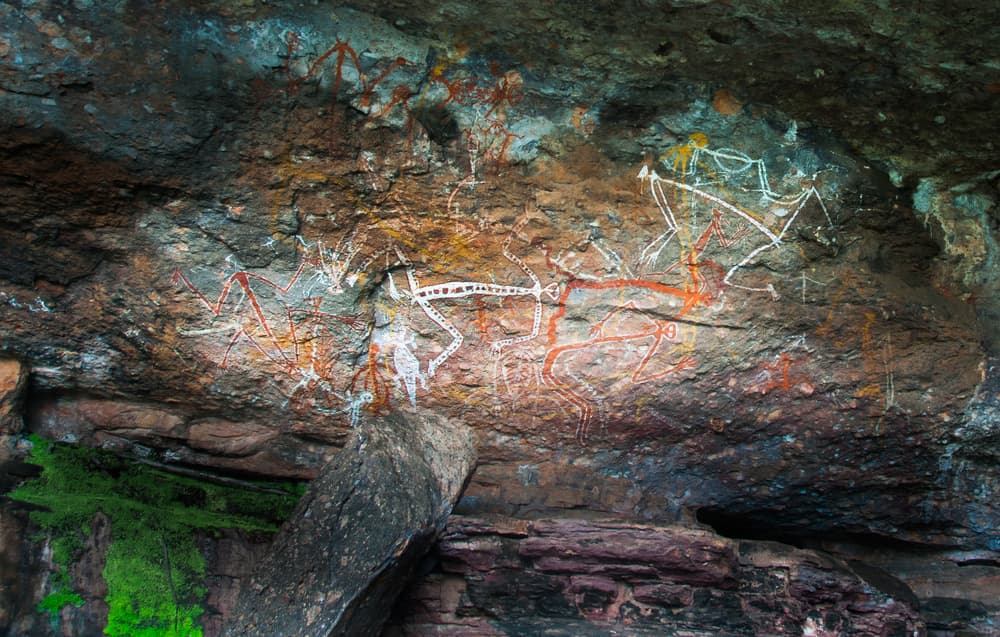
The Nourlangie circuit leads to several major rock art sites. Anbangbang Gallery features "X-ray" style figures depicting Namarrgon (the Lightning Man) and other Dreamtime beings. The Anbangbang Billabong shelter, visible from a lookout, attracts waterbirds and crocodiles. The Nawurlandja Lookout viewpoint offers panoramic views across the Arnhem Land plains.
History and Context
The Bininj/Mungguy peoples have inhabited this region for at least 20,000 years. Nourlangie served as a seasonal shelter during the wet season. The layered paintings bear witness to several stylistic periods: dynamic figures, X-ray style, and more recent works dating back centuries. Some paintings were refreshed by traditional artists into the 20th century, maintaining a living practice.
Kakadu National Park has been inscribed on UNESCO's World Heritage List for both natural and cultural significance since 1981.
Highlights of Your Visit
Anbangbang Gallery
The main gallery groups dozens of painted figures beneath a vast overhang. Namarrgon, the Lightning Man, is depicted with stone axes at his elbows and knees. On-site panel explanations decode the Dreamtime narratives without requiring a guide.
Nawurlandja Lookout
A short climb up the rock leads to this viewpoint. The vista sweeps across flood plains, Arnhem Land escarpments, and on clear days, an expansive span of savanna. Best time: late afternoon, when golden light bathes the ochre rock.
Anbangbang Billabong
This permanent waterhole below attracts jacanas, egrets, and occasionally freshwater crocodiles. A secondary trail follows the shore and offers excellent wildlife observation, especially early morning.
Etiquette and Visiting Rules
- Never touch the rock paintings — skin oils accelerate their degradation.
- Stay on marked trails; some areas are sacred and off-limits.
- Photography of the artworks is permitted for personal use, but check on-site signs for restricted zones.
- Respect the silence in the galleries; these are living memory places for the Bininj/Mungguy communities.
Photography Tips
Morning light (before 9 a.m.) is ideal for photographing paintings without glare. In late afternoon, the rock takes on striking orange-red tones from the lookout. Avoid flash in galleries. A wide-angle lens works well for overhangs; a telephoto is useful for wildlife at the billabong.
Location and Access
Nourlangie lies approximately 30 km south of Jabiru, the park's main town. The access road branches from Kakadu Highway and is sealed to the main car park. From Darwin, allow roughly 3 hours driving time. The Jabiru visitor centre provides maps and up-to-date road condition information.
Nearby Attractions
- Ubirr — Another major Kakadu rock art site, featuring a viewpoint over the East Alligator River flood plains.
- Yellow Water Billabong — Sunrise cruises on this iconic billabong, rich in crocodiles and birdlife.
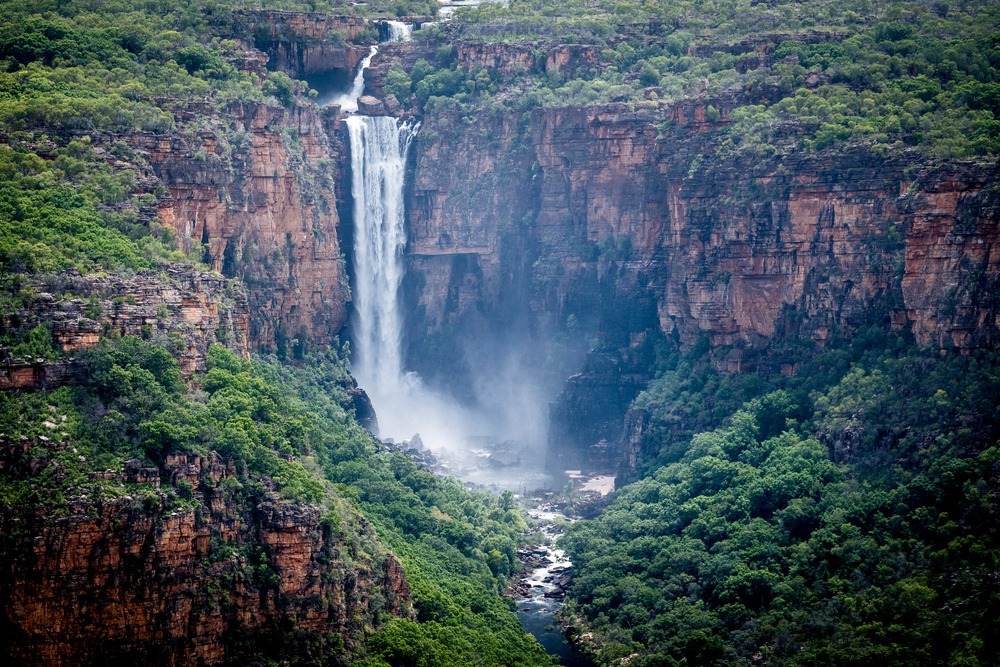
- Jim Jim Falls — Spectacular falls accessible in dry season, approximately 60 km south (4WD track required).
- Bowali Visitor Centre — Park interpretation centre near Jabiru, offering insights into the ecology and Bininj/Mungguy culture before your visit.
Frequently asked questions
The dry season, from May to October, is ideal. Roads are passable, heat is manageable, and wildlife concentrates around water sources. During the wet season (November to April), some roads close and humid heat is intense.
No. The road to Nourlangie car park is sealed and accessible by standard vehicle in dry season. A 4WD is required, however, for other park sites like Jim Jim Falls.
Yes. The circuit is well-marked and interpretive panels detail the paintings and their cultural significance. Guided tours with Parks Australia rangers are sometimes available — ask at Bowali Visitor Centre.
Freshwater crocodiles (less dangerous than saltwater crocodiles) are present at Anbangbang Billabong. Stay on marked trails and do not swim in park waterholes.
The main Nourlangie circuit takes approximately 1.5 to 2 hours at a relaxed pace. Adding Nawurlandja Lookout and a billabong stop brings the total to 2 to 3 hours.
It is possible but demanding. The two sites are roughly 60 km apart. A good option: Nourlangie in the morning, then Ubirr late afternoon to enjoy sunset over the flood plains.
Interested in this visit?
We can include it in your personalised itinerary.