Phillip Island Nature Parks
Phillip Island Nature Parks
Two hours from Melbourne, Phillip Island Nature Parks encompasses 2,000 hectares of protected coastline, home to little penguins, koalas and the fur seal colony at Seal Rocks.
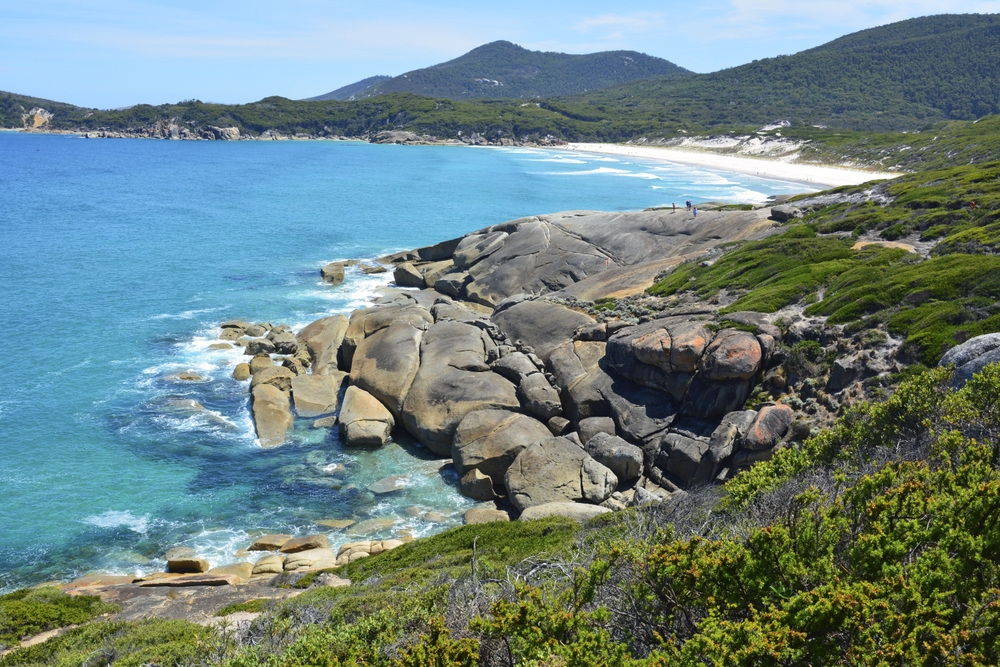
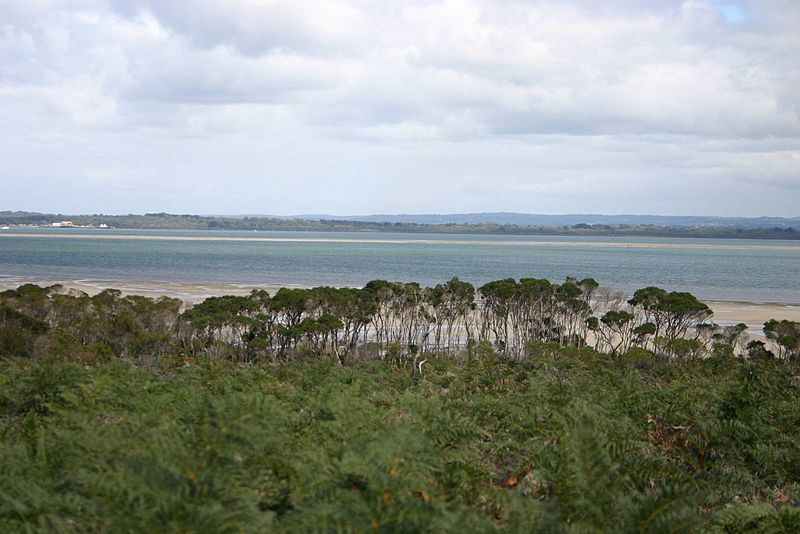
Two hours' drive from Melbourne, Phillip Island Nature Parks comprises nearly 2,000 hectares of protected spaces along Victoria's southern coast. Rocky shores, wetlands, dunes and eucalyptus forests interconnect and shelter an array of marine and land wildlife, including the little penguins that are the island's emblem. The site combines conservation, scientific research and public engagement across several distinct locations spread throughout the island.
Why visit Phillip Island Nature Parks
The park brings together several rare naturalist experiences in one Australian territory: watching little penguins return to their burrows at dusk, observing koalas in their natural habitat from elevated walkways, witnessing a significant fur seal colony, and walking coastal trails overlooking the ocean. The entire area is managed as a conservation zone: ticket revenue directly funds habitat and species protection.
A history rooted in conservation
Before European colonisation, Phillip Island was a key territory of the Bunurong people, deeply connected to the sea and coastal landscapes. The arrival of settlers in the 19th century transformed the environment: livestock farming, land clearing and tourism development permanently altered habitats.
Protection of the little penguins began in the early 20th century, followed by dune and wetland restoration programmes. In 1996, these initiatives were united under Phillip Island Nature Parks, which today carries a mission of conservation, research and environmental education.
What to see and do
Five main sites structure your visit. Plan for at least a full day to explore several of them.
- Penguin Parade — each evening at sunset, little penguins return up the beach to their burrows. Stands and walkways allow viewing without disturbance. The Underground Viewing option, with a glass window at ground level, offers a close-up perspective.
- Koala Conservation Reserve — a network of elevated walkways through eucalyptus canopy allows you to observe koalas at tree-top level, in recreated habitat.
- Nobbies & Seal Rocks — a dramatic promontory overlooking Seal Rocks, home to one of Australia's largest fur seal colonies. Wooden trails, coastal panoramas and an interpretive centre.
- Churchill Island — a small island connected by a walkway and classified as a heritage site. Historic farms, gardens, pastures and agricultural demonstrations tell the story of European settlement.
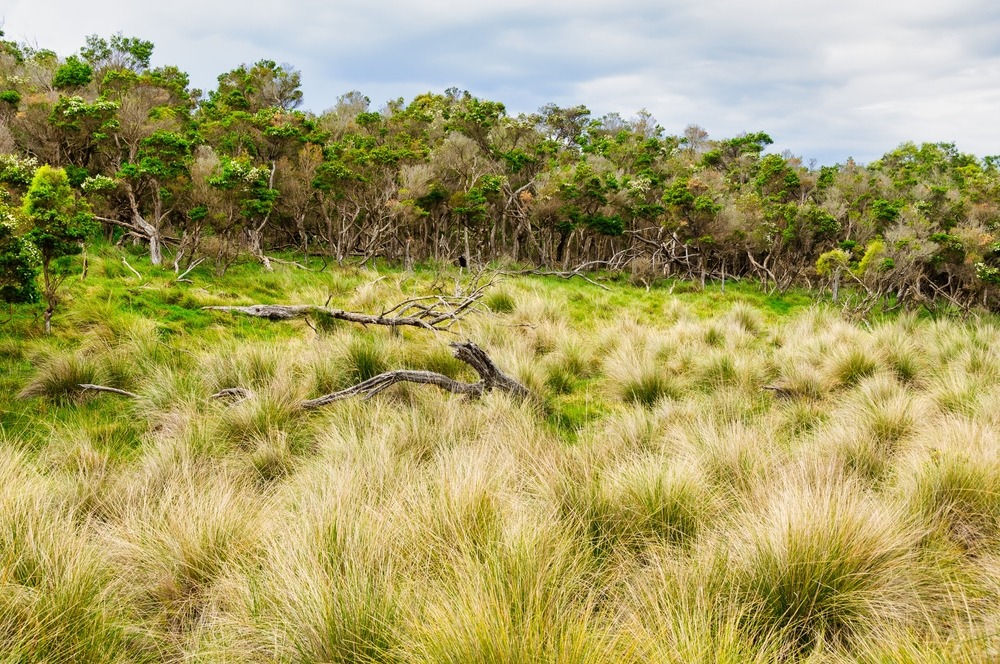
- Trails and wetlands — dunes, marshes and coastal forests where wallabies and migratory birds roam.
Over 300 native plant species are recorded throughout the park, from eucalyptus to coastal species adapted to salt spray. Guided Ranger Tours offer deeper insights into habitats and conservation programmes.
When to visit
The park is open year-round. Australian summer (December to February) offers the longest evenings and attracts larger visitor numbers: advance booking is strongly recommended for Penguin Parade. Spring (September–November) and autumn (March–May) are pleasant seasons, with active wildlife and fewer crowds. Winter (June–August) is quieter and cooler, with penguins returning to burrows earlier in the afternoon, which can ease planning. Whatever the season, bring warm layers and windproof clothing: evenings by the ocean remain cool, even in summer.
How to get there
From Melbourne, allow around two hours' drive via the M1 then M420 to the San Remo bridge, which connects the mainland to the island. By public transport, V/Line buses serve the island, and a ferry runs from Stony Point on the Mornington Peninsula. On the island itself, having a vehicle is the most practical option for reaching the various park sites, which are kilometres apart.
Practical information
- Duration: a full day to see the main sites, two days for a thorough exploration.
- Tickets: per-site pricing, with combined passes (3 or 4 parks) offering better value. Online booking recommended for Penguin Parade.
- Hours: vary by site and season. Penguin Parade runs each evening at sunset.
- Photography: prohibited during Penguin Parade to avoid disturbing the penguins.
- Accessibility: most walkways and observation platforms are accessible to people with reduced mobility.
Nearby attractions
Phillip Island pairs well with a broader itinerary across southern Victoria. The village of Rhyll, on the island's northern coast, is known for its wetlands and fishing port atmosphere. Further east, Raymond Island is renowned for its wild koalas. To the west, the Great Ocean Road leads to Port Campbell and its iconic cliffs. For wilderness enthusiasts, Cradle Mountain National Park in Tasmania completes a nature-focused journey.
Frequently asked questions
Frequently asked questions
Including Phillip Island in your trip
Phillip Island Nature Parks naturally fits into an itinerary around Melbourne and Victoria, complementing the Great Ocean Road or a Tasmanian extension. To build a custom-made itinerary, explore our Australie travel experiences.
Interested in this visit?
We can include it in your personalised itinerary.