Sydney Harbour
Sydney Harbour
History, islands, walks, ferries and events: everything you need to know to visit Sydney Harbour, the iconic port on Australia's east coast.
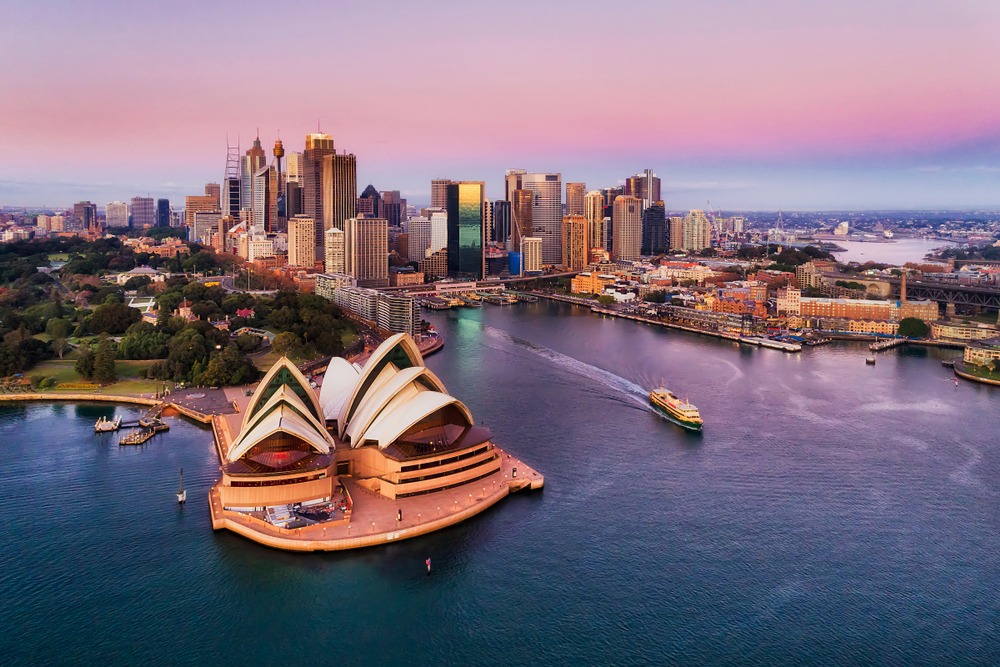
Sydney Harbour structures life in Australia's metropolitan hub around its estuary. Beyond the Opera House and Harbour Bridge, the port brings together a succession of coves, secluded beaches, heritage-listed islands and rejuvenated waterfront precincts that can be explored on foot, by ferry or by bike. This guide brings together essential information for planning a coherent visit to the port and its surroundings.
Why visit Sydney Harbour
The port combines several interests rarely found elsewhere in Australie: more than two centuries of maritime heritage, a geography of inlets and headlands suited to exploring on foot, heritage-listed islands and a ferry network that serves both locals and visitors. It's also the stage for annual events of international significance and the logical starting point for reaching Sydney's main sites.
History of the port
Before Europeans arrived, the Eora peoples lived around the estuary and drew their resources from it. In 1770, James Cook names the inlet Port Jackson during his passage along the east coast. In 1788, the First Fleet establishes the first British settlement at Sydney Cove, laying the foundations for rapid maritime and commercial development.
The Rocks precinct, just at the foot of the bridge, bears witness to this formative period with its warehouses and colonial-era laneways. More recently, the Barangaroo and Campbell's Stores restoration projects have converted former port spaces into public places, blending promenades, dining and cultural programming.
What to see and do
The port from the water
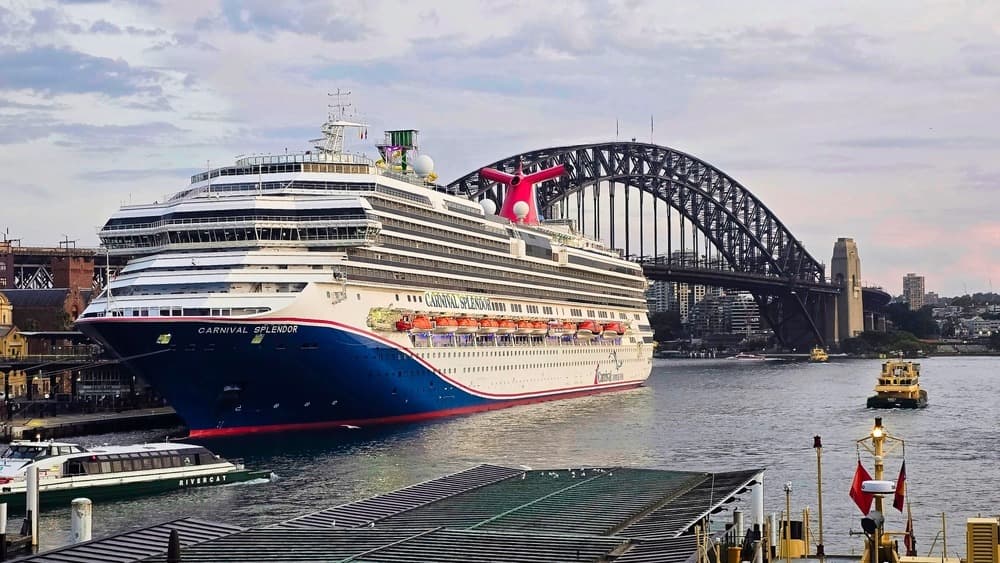
The ferry network remains the simplest way to grasp the scale of the port. From Circular Quay, regular services connect to Manly and Taronga Zoo, passing close to the Opera House and Harbour Bridge. Guided cruises, sailing trips and kayak outings extend the experience for those wanting to linger. Seaplanes departing from Rose Bay offer an aerial reading of the bay and its headlands.
Waterfront walks
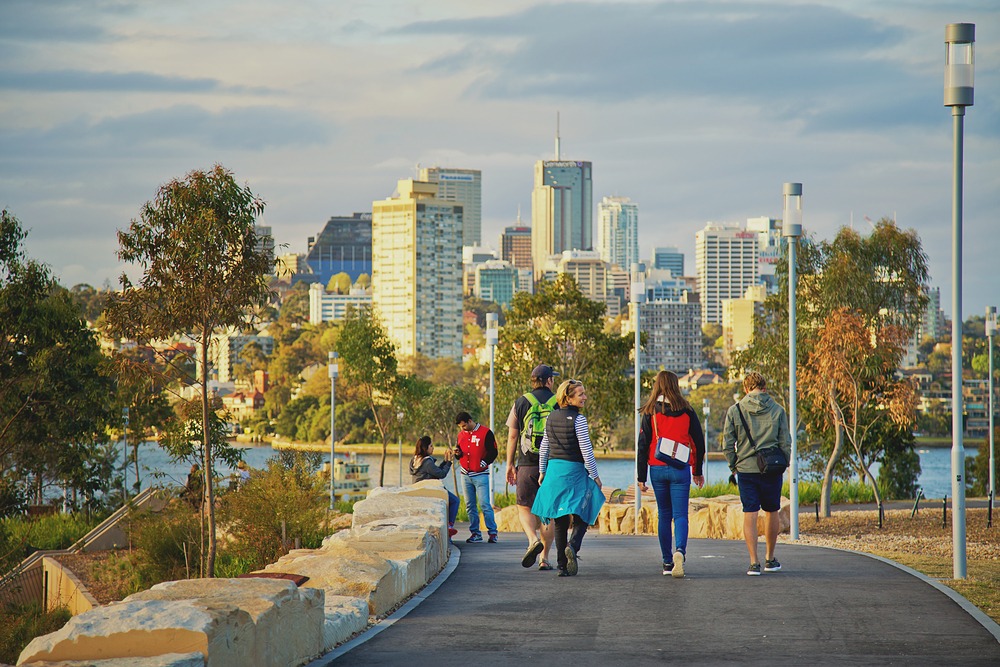
The trail connecting Woolloomooloo to Barangaroo crosses the Royal Botanic Garden and passes the viewpoint at Mrs Macquarie's Chair, renowned for its framing of the Opera House and bridge. Trails through Sydney Harbour National Park run along cliffs and coves, with a few wildlife observation areas. Guided tours led by Aboriginal guides offer insight into the cultural dimension of the site.
The islands of the port
Cockatoo Island, inscribed on the UNESCO World Heritage List, preserves traces of its penal and shipyard past; you can stay in managed camping. Fort Denison – Muddawahnyuh, with its Martello tower, illustrates the port's military history. Garden Island hosts a naval museum, while Shark Island is well suited to picnics.
Harbour Bridge and high-adrenaline experiences
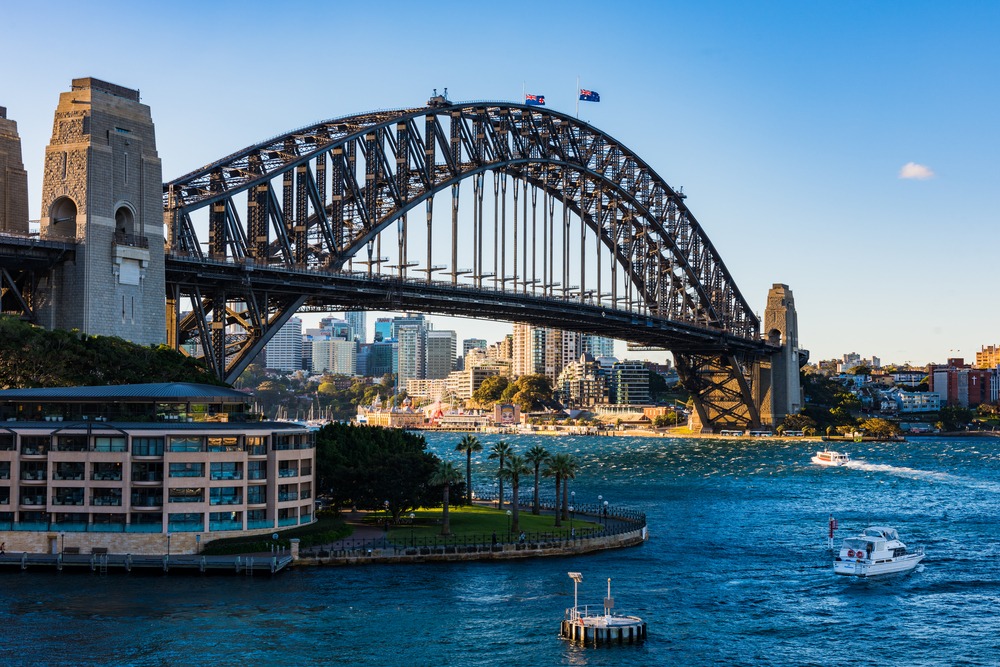
Climbing the Harbour Bridge with BridgeClimb allows you to walk on the steel arch and take in the bay in one sweeping view. More accessible alternatives include crossing the bridge on foot via the free pedestrian walkway, or climbing to the Pylon Lookout. Jet boats, sunrise kayaking and yacht outings round out the water-based options.
Waterfront precincts
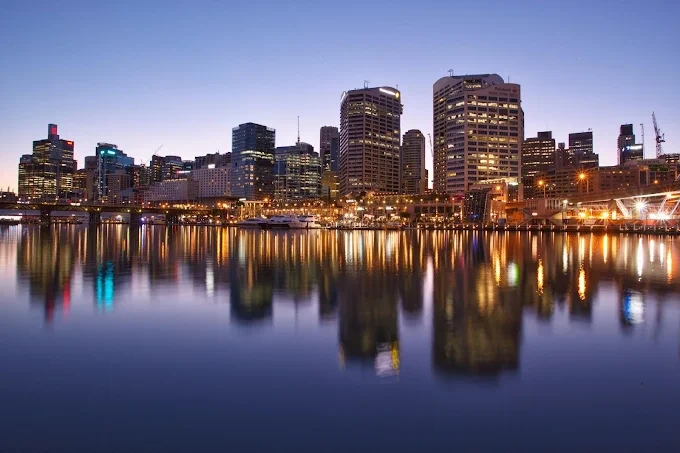
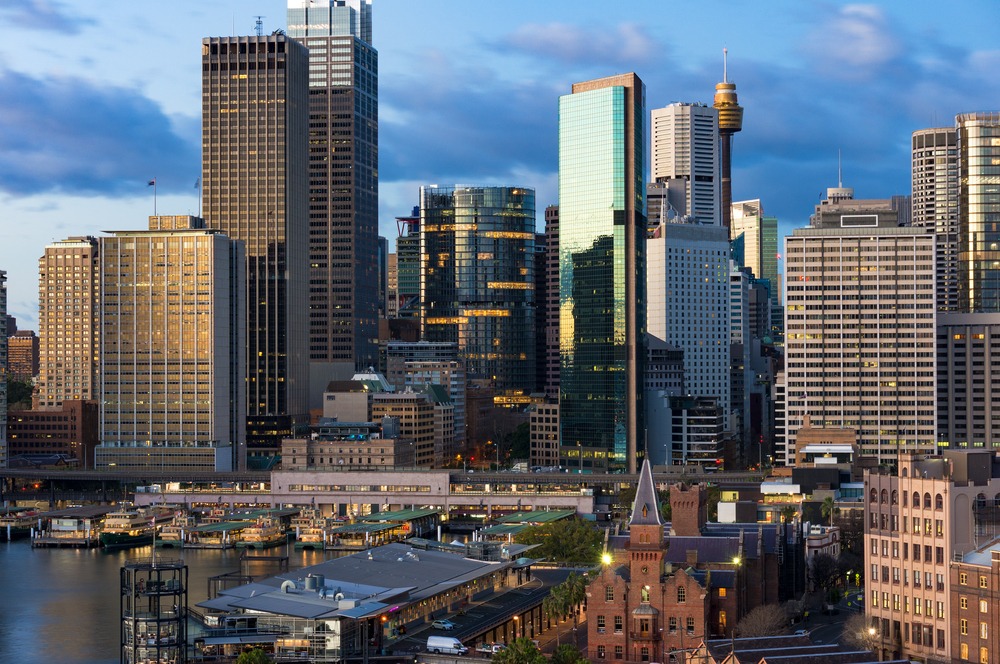
Circular Quay houses museums, ferry terminals and direct access to the main attractions. Barangaroo Reserve offers planted promenades, cultural programming and spaces dedicated to Aboriginal culture. Darling Harbour remains the family hub with gardens and recreational facilities. Taronga Zoo, accessible by ferry, combines observation of Australian wildlife with views across the skyline.
Practical information
- Access to wharves and promenades: free and open year-round.
- Ferries: single tickets or via rechargeable transport card, valid across the entire network.
- BridgeClimb: advance booking recommended, day, twilight or night sessions, premium pricing.
- Aboriginal guided tours and cruises: average duration 1.5 to 3 hours.
- Cycling: bike paths along Barangaroo and the option to cross Harbour Bridge via the northern cycleway.
When to visit
Australian spring (September to November) and autumn (March to May) offer mild weather and moderate crowds. Summer (December to February) suits water activities and swimming, though expect higher footfall and prices. Winter (June to August) remains mild and lends itself to cultural visits.
Event-wise: the Sydney–Hobart race departs from the port on 26 December, the New Year's Eve fireworks are launched from the bridge on 31 December, and Vivid Sydney, a lights festival, usually runs from late May to mid-June (late Australian autumn).
How to get there
Circular Quay is the main entry point to the port. It's served by train (Circular Quay station), several bus lines, light rail and of course ferries. From The Rocks or the Central Business District, access is easy on foot. Taxis and ride-sharing services drop off directly at the wharves. Car parking exists but is limited and costly; public transport is preferable.
To move between waterfront precincts, ferries remain the most pleasant option, particularly heading to Manly, Taronga Zoo or Darling Harbour. Buses, trains and light rail cover land routes, and several sections are bikeable.
Nearby
- Royal Botanic Garden: historic garden on the bay, free entry.
- Barangaroo Reserve: developed waterfront promenade west of the CBD.
- Darling Harbour: family-friendly waterfront with museums and restaurants.
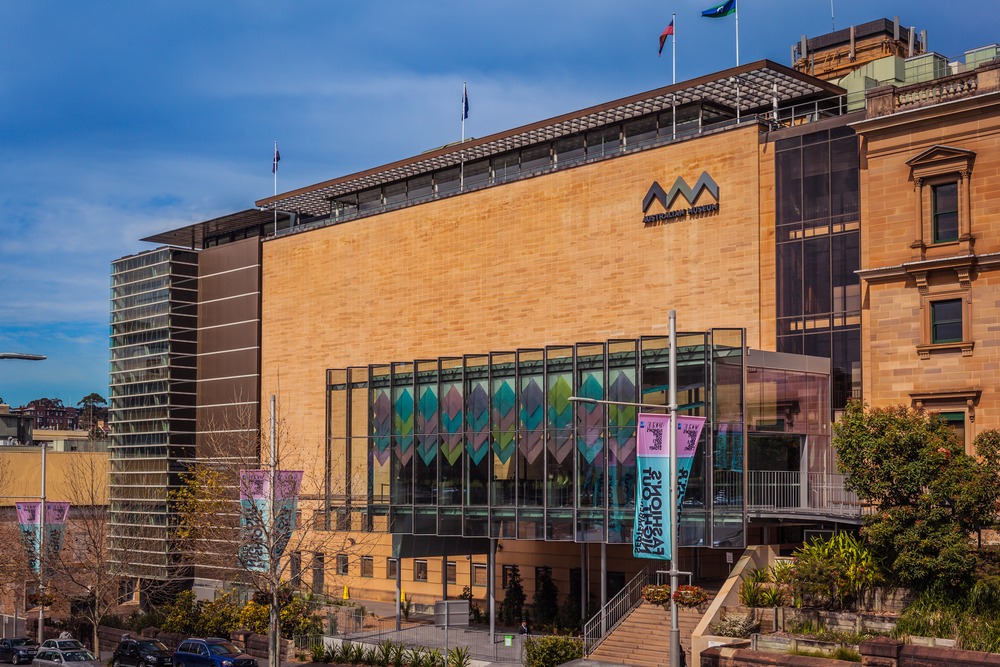
- Australian Museum: natural history and Aboriginal cultures collections.
- Bondi Beach: iconic beach around thirty minutes from the centre.
Frequently asked questions
Frequently asked questions
Planning your trip
Sydney Harbour fits naturally into a broader itinerary spanning the east coast, the Outback and the Great Barrier Reef. To design a bespoke journey, explore our Australie trips.
Nearby
Interested in this visit?
We can include it in your personalised itinerary.