Wildlife Wonders
Wildlife Wonders
Wildlife Wonders offers a guided immersion into the bush at night on Phillip Island, where you'll encounter Australia's iconic nocturnal species — wombats, wallabies and possums in their natural habitat.
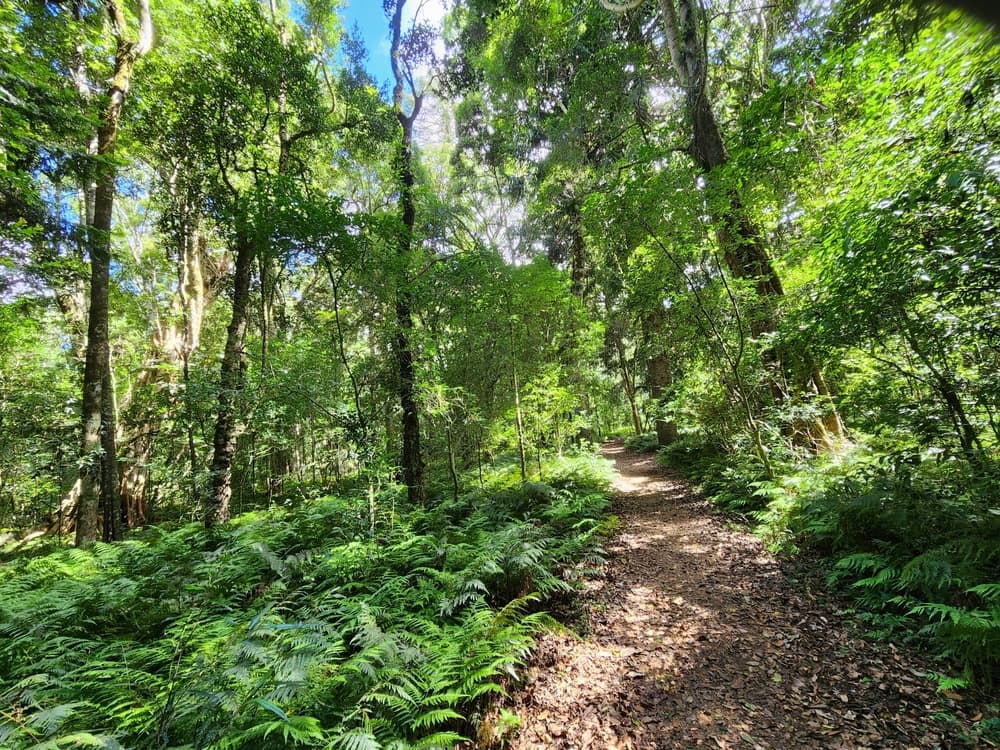
Wildlife Wonders is a natural sanctuary located on Phillip Island, roughly two hours south-east of Melbourne. The site offers a nocturnal immersion into the Australian bush, in the presence of native wildlife evolving in their natural habitat. It's one of the rare guided night experiences allowing observation of crepuscular species — wombats, wallabies, possums — within a preserved forest setting.
Key facts at a glance
- Access: Phillip Island, accessible from Melbourne via the Princes Highway then the South Gippsland Highway.
- Visit type: Guided tour only, booking required.
- Recommended duration: Around 1.5 to 2 hours.
- What to wear: Closed-toe shoes recommended, warm clothing for evenings.
- Accessibility: Trails partially accessible; check with the site before your visit.
What you'll see
The sanctuary is home to several iconic Australian wildlife species. Southern hairy-nosed wombats, Bennett's wallabies and brushtail possums are regularly observed along marked trails. Interpretive panels line the route and explain the behaviour and threats facing each species.
History and context
Wildlife Wonders is part of the conservation effort led by Phillip Island Nature Parks, an organisation that also manages the famous Penguin Parade. The site was designed to offer an educational alternative to daytime visits, highlighting nocturnal species often overlooked by the general public.
Highlights of the visit
Observing wombats
Southern hairy-nosed wombats are elusive and rarely visible during the day. As night falls, they emerge to graze near the trails. The guides know where to spot them without disturbing their natural behaviour.
Possums in the canopy
Brushtail possums become active at dusk. Equipped with red-light torches to avoid dazzling the animals, guides allow you to observe their movements through the trees just metres away.
Educational context
Each tour includes explanations on conservation, introduced predators (foxes, feral cats) and ongoing protection programmes on the island. Solid educational depth, valuable for families and curious travellers alike.
Photography tips
The tour takes place at night: a camera with good ISO sensitivity is essential. Flashes are forbidden to avoid stressing the animals. Opt for a bright lens (f/1.8 or f/2.8). The guides use red torches — take advantage for low-light shots.
Location and access
Wildlife Wonders is located on Phillip Island, in the Summerlands area. The island is connected to the mainland by a bridge from San Remo. From Melbourne, allow roughly two hours by car. No direct rail link exists to the island; driving or an organised tour from Melbourne remain the most practical options.
The site is close to the Penguin Parade, Phillip Island's flagship attraction, and the Koala Conservation Reserve. Combining these three experiences over two days is a common itinerary.
Nearby attractions
- Penguin Parade — The nocturnal parade of little penguins on Summerlands Beach, a unique natural spectacle.
- Koala Conservation Reserve — Elevated boardwalks allow you to observe koalas in eucalyptus trees at eye level.
- The Nobbies Centre — Rocky promontory at the western tip of the island, with views of Australian fur seals.
Frequently asked questions
Yes, booking is mandatory. Groups are limited in size to preserve the tranquillity of the animals and the quality of the experience.
The site is open year-round. Australian spring and summer (October to March) offer milder evenings, but animals are active in all seasons.
Both experiences take place in the evening and in the same area of the island. Some operators offer combined packages; check exact times when booking.
Yes, the tour is suitable for children. The educational content is tailored for family audiences. Plan warm clothing for younger visitors, as evenings can be cool.
No. Flashes are strictly forbidden to avoid disturbing the animals. Guides provide red-light illumination suitable for nocturnal observation.
Interested in this visit?
We can include it in your personalised itinerary.