Bruny Island
Bruny Island
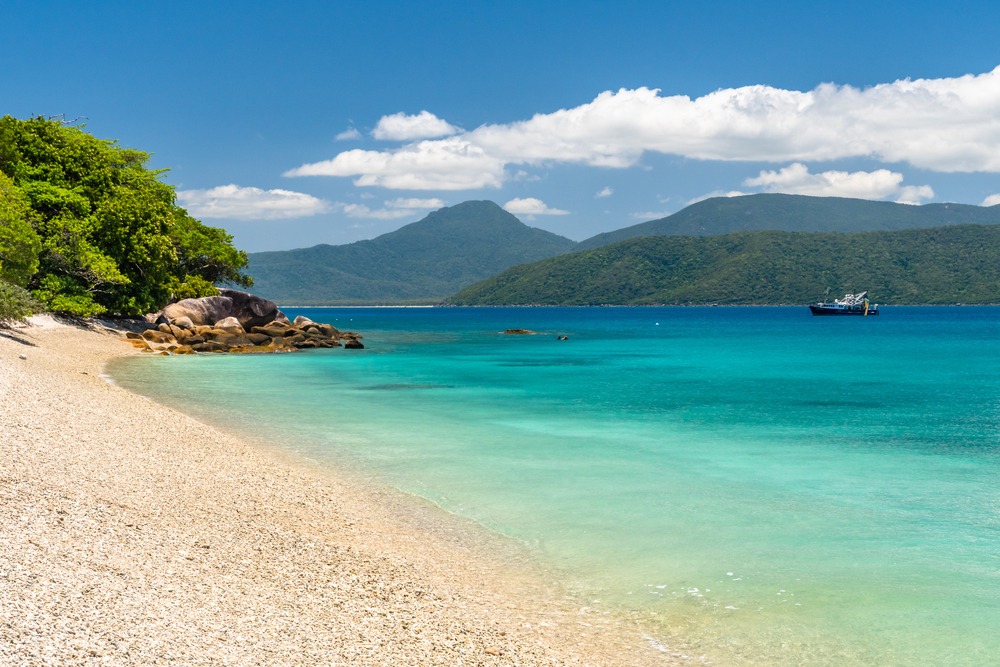
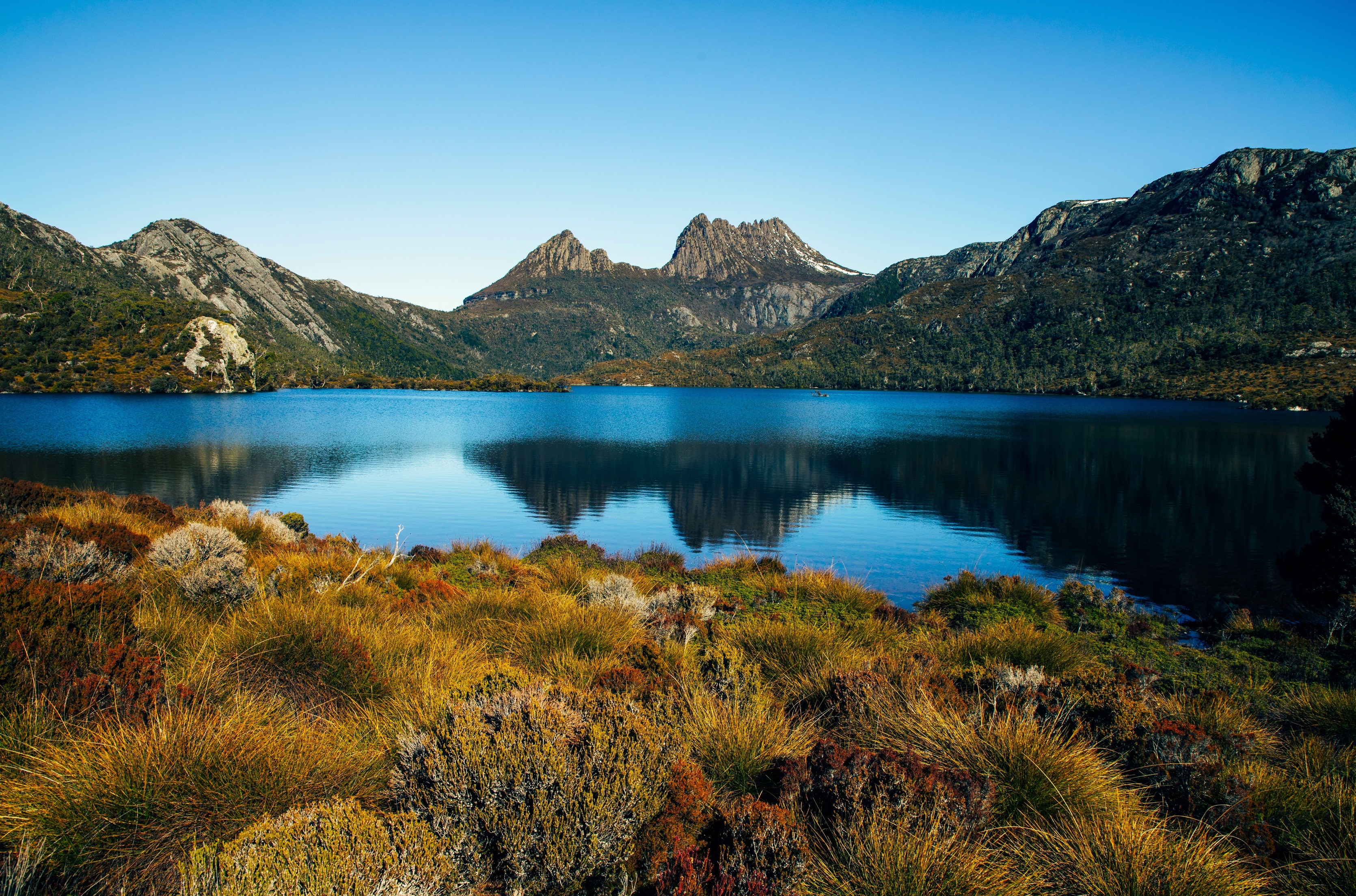
Southeast of Tasmania, Bruny Island combines spectacular cliffs, curious wombats, little penguins and artisanal flavours. A pristine jewel waiting to be discovered.
Bruny Island captivates with its spectacular coastal views, rich ecosystem and exceptional artisanal specialities. Located southeast of Tasmania, this unspoiled island offers a sensory immersion blending raw nature, living culture and gastronomic pleasures.
A Bit of History
Tasmania's Aboriginal people have inhabited Bruny Island for thousands of years, leaving a profound cultural imprint. From the 17th century onward, it attracted the first European explorers. d'Entrecasteaux, who gave his name to the channel running alongside the island, landed here in the 18th century, followed by Cook, Bligh and others. Throughout the 19th century, Bruny Island served as a base for whaling before its territory was extensively exploited for timber resources. Today, it remains home to an Aboriginal community and preserves a strong cultural heritage.
What Experiences to Have and What to See During a Stay on Bruny Island?
Breathtaking Landscapes
- South Bruny National Park
This protected site encompasses diverse landscapes: white sand beaches, coastal heathland, sheer cliffs and eucalyptus forests. It offers several hiking routes suited to different skill levels:
- Luggaboine Circuit (1h30): accessible loop with varied coastal views.
- Labillardière Peninsula (5h): immersive hike around a wild peninsula.
- East Cloudy Head (4h): trail leading to a promontory overlooking the bay.
- Cape Bruny: historic lighthouse (guided tours available) with views over the Southern Ocean.
- Cloudy Bay: surf and hiking spot, especially during local sporting events.
Panoramic Views
- The Neck: iconic promontory connecting the north and south of the island. Between September and February, the island offers a unique chance to spot little penguins in their natural habitat.
Maritime Adventures
- Ecotourism cruises (3h): sailing past spectacular cliffs, marine wildlife (seals, dolphins, seabirds) and striking rock formations such as the "Breathing Rock".
Must-Try Local Flavours
Bruny Island is also a haven for food lovers!
- Artisanal cheeses, homemade chocolates and local honey.
- Fresh oysters raised in cold water.
- Whiskies, gins and ciders produced in the island's distilleries and vineyards.
Exceptional Flora and Fauna
A Natural Sanctuary
- Encounter remarkable wildlife including rare species such as echidnas, wombats, fur seals, albatrosses and dolphins.
- Bird watching: Bruny is designated as an Important Bird Area (IBA).
- Little penguins: visible at dusk on The Neck.
- Guided excursions: accompanied by naturalists for an enriched discovery experience.
When to Visit?
Bruny Island enjoys a temperate climate with four distinct seasons. Here's an overview to help you determine the best time to visit according to your expectations.
- Summer (December to February): ideal period. Mild weather (17–23°C), long days, penguin spotting and swimming.
- Autumn (March to May): good time for water activities, warmer sea.
- Winter (June to August): absolute peace, but cold (4–13°C). Less suitable for activities.
- Spring (September to November): vegetation in bloom, but frequent rain.
Access to Bruny Island is straightforward from Tasmania's southeast coast. To get there, take a ferry from the village of Kettering, about 40 minutes' drive from Hobart via the A6, then the B68 heading south.
- Ferry from Kettering: the crossing is operated by SeaLink Bruny Island, transporting both passengers and vehicles.
- Ferry crossing duration: approximately 15 to 20 minutes to Roberts Point, on the island's northern coast.
- Frequency: departures run regularly throughout the day, with no prior reservation needed in most cases.
- Peak seasons: during high season (such as school holidays or Easter), it's advisable to arrive early to avoid delays.
Once there, you can explore the island's south via a network of roads leading into the most remote natural areas, particularly South Bruny National Park. Since some roads are unsealed, a robust all-terrain or sturdy vehicle is recommended.
Transport options on the island vary depending on how you arrived and your travel style. The island is vast with sometimes isolated natural zones, making it essential to plan your routes carefully.
- Personal or rental vehicle: The most practical option is to bring your car or van aboard the ferry. This gives you total freedom to explore the island, particularly the wilder, less accessible southern regions. If you don't have a vehicle, you can rent one in Hobart before departure.
- Bicycle (standard or e-bike): For travellers seeking a more eco-friendly or sporty transport option, bike rental is available, notably from Cycle Bruny Island at Kettering. E-bikes are ideal for navigating the island's rolling roads with greater ease.
- On foot: Bruny Island is a true hiker's paradise. Numerous trails allow you to explore beaches, forests and cliffs at your own pace. Even without a vehicle, you can discover the area on foot by focusing on zones like Adventure Bay or The Neck.
Safety Tips:
- Secondary roads are often gravel with many bends.
- Local wildlife (wallabies, echidnas, etc.) frequently crosses roads, especially at dusk. Drive carefully.
- Night driving is not recommended, both for your safety and for the protection of animals.
Want to discover this destination?
Our local advisors design your tailor-made trip.