Melbourne
Melbourne
From Hosier Lane to the Twelve Apostles, via the penguins of St Kilda and the vineyards of the Yarra Valley: everything you need to explore Melbourne and its surroundings.
Capital of Victoria and Australia's second-largest city, Melbourne captivates with its relaxed elegance and creative energy. Blending colonial heritage with urban modernity, it embodies the country's cosmopolitan spirit. A vibrant city where each neighborhood reveals its own distinct atmosphere.
History of Melbourne
Long before colonization, the lands surrounding the Yarra River and Port Phillip Bay were inhabited for nearly 40,000 years by the Wurundjeri people, part of the Kulin nation. In 1835, British settlers led by John Batman and John Pascoe Fawkner established the first settlement there, giving birth to Melbourne.
The discovery of gold in the 1850s transformed the city into a thriving metropolis. Despite crises at the end of the nineteenth century, Melbourne retained its prominence and became, in 1907, the first capital of federated Australia before that role was transferred to Canberra.
Melbourne Today
Becoming an industrial powerhouse during the Second World War, Melbourne modernized throughout the twentieth century. The hosting of the 1956 Olympic Games and major urban projects like Federation Square shaped its current character.
Today, the city combines Victorian heritage with contemporary creativity, driven by a dynamic cultural and gastronomic scene. Ranked among the world's most livable cities, Melbourne embodies the perfect balance between tradition and innovation.
What to Discover in Melbourne?
A city of contrasts and elegance, Melbourne captivates with its blend of Victorian history, contemporary creativity and influences from around the world. Australia's cultural capital, it's best explored on foot or by tram, neighborhood after neighborhood, wandering through lively laneways, colorful markets and verdant gardens.
- The City Centre and Federation Square
An ideal starting point, Federation Square concentrates museums, galleries and cultural events throughout the year. Around it, the grand avenues of Swanston, Collins and Bourke Street reveal historic buildings, theaters and the Chinatown district.
- The Laneways and Arcades
A true signature of Melbourne, its laneways house cafés, boutiques, intimate bars and street art murals. A guided walk allows you to fully appreciate the cultural richness.
- Fitzroy and Carlton
Two distinctive neighborhoods: Fitzroy, bohemian and alternative, brimming with galleries and vintage shops, while Carlton, with its Italian spirit, entices with its trattorias and convivial atmosphere.
- Southbank
Located on the southern bank of the Yarra River, Southbank brings together the Victorian Arts Centre, the National Gallery of Victoria and a riverside promenade lined with lively restaurants and bars.
- St Kilda
By the sea, St Kilda invites relaxation: beach, Luna Park, trendy cafés and concerts punctuate local life. In the evening, it's not uncommon to spot penguins on the pier.
- Parks and Botanical Gardens
The city deserves its nickname of "garden city". The Royal Botanic Gardens, on St Kilda Road, offers a peaceful haven where black swans, ferns and eucalyptus coexist.
- Docklands and Queen Victoria Market
A former dock quarter now repurposed, Docklands blends modernity and leisure, while Queen Victoria Market, a genuine institution since 1878, captivates with its popular atmosphere and local produce.
Beyond this mosaic of neighborhoods and atmospheres, Melbourne also charms with its experiences: festivals, gastronomy, nature and escapes into its surroundings.
What to Do in Melbourne?
It's impossible to get bored in Victoria's capital: Melbourne overflows with varied activities, mixing culture, relaxation and adventure. Here are a few ideas to make the most of your stay:
- Explore the City by tram: hop aboard the City Circle Tram, free and iconic, for a complete circuit of the city center and its main sites.
- Experience Queen Victoria Market: this historic market comes alive every summer evening with concerts, food trucks and multicultural specialties—a flavorful immersion into Melbournians' daily life.
- Wander through identity-defined neighborhoods: from Chinatown to Carlton, via Fitzroy, each neighborhood reveals its own identity: Italian, Asian, artistic or student-oriented.
- Relax at St Kilda: seaside stroll, swimming or sunset: St Kilda is where locals go to unwind.
- Take a day trip to Phillip Island: two hours' drive away, Phillip Island offers a unique spectacle: each evening, hundreds of little penguins return to the beach during the famous Penguin Parade.
- Discover the wines of the Yarra Valley: an hour's drive away, the Yarra Valley produces excellent pinot noirs and sparkling wines. Estates offer tastings and lunches amid the vineyards.
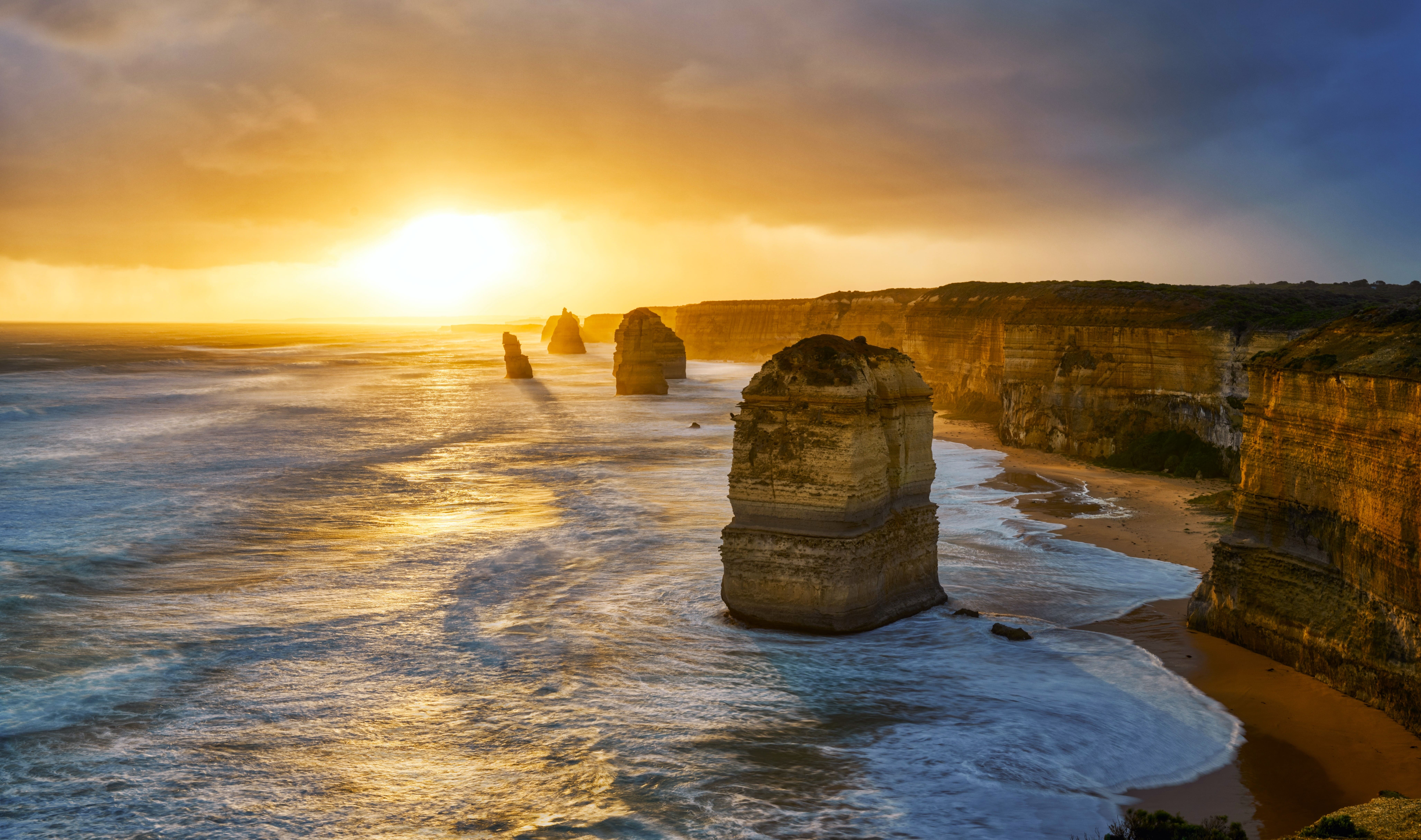
- Drive the Great Ocean Road: one of the world's most beautiful coastal drives winds a few hours from Melbourne: cliffs, wild beaches and spectacular rock formations like the Twelve Apostles make for an unforgettable excursion.
When to Visit?
Situated on Port Phillip Bay, Melbourne experiences a temperate oceanic climate with four seasons reversed from the northern hemisphere.
Summer (December to February) is warm and festive, autumn (March to May) mild and colorful, winter (June to August) conducive to museums and culture, and spring (September to November) is flowery and pleasant.
The city can be visited year-round, but the period from November to March is most favorable for enjoying its lively atmosphere and festivals.
Melbourne is well connected to the rest of the country and internationally.
- By plane: Tullamarine Airport (23 km from the center) handles most flights. SkyBus reaches the city center in 30 minutes.
- By coach: Greyhound connects Melbourne to major Australian cities, an economical and comfortable option.
- By train: the V/Line network serves Sydney, Adelaide and regional Victoria towns, ideal for traveling at a slower pace.
Melbourne's transport network is efficient and well-organized.
- Tram: the most convenient option, with a free zone in the city center.
- Train and bus: complete the network and serve suburbs.
- Myki card: required for all public transport.
- Car: useful for exploring surroundings, but impractical in the city center.
- Bike, scooter and car-sharing: modern and eco-friendly alternatives widely available.
Attractions in Melbourne
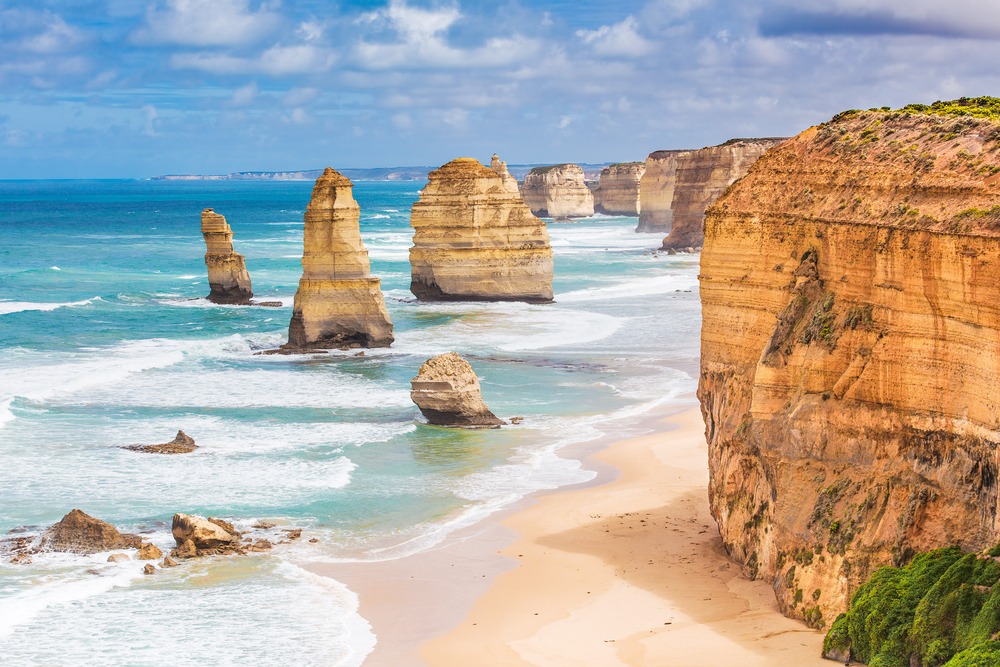
Great Ocean Road
Route panoramique de Victoria reliant Torquay aux Douze Apôtres : falaises, forêts d'Otway, villages côtiers et mémorial des soldats de 1914-1918.

Phillip Island Nature Parks
À deux heures de Melbourne, Phillip Island Nature Parks réunit 2 000 hectares de côtes protégées, ses petits manchots, ses koalas et la colonie d'otaries de Seal Rocks.
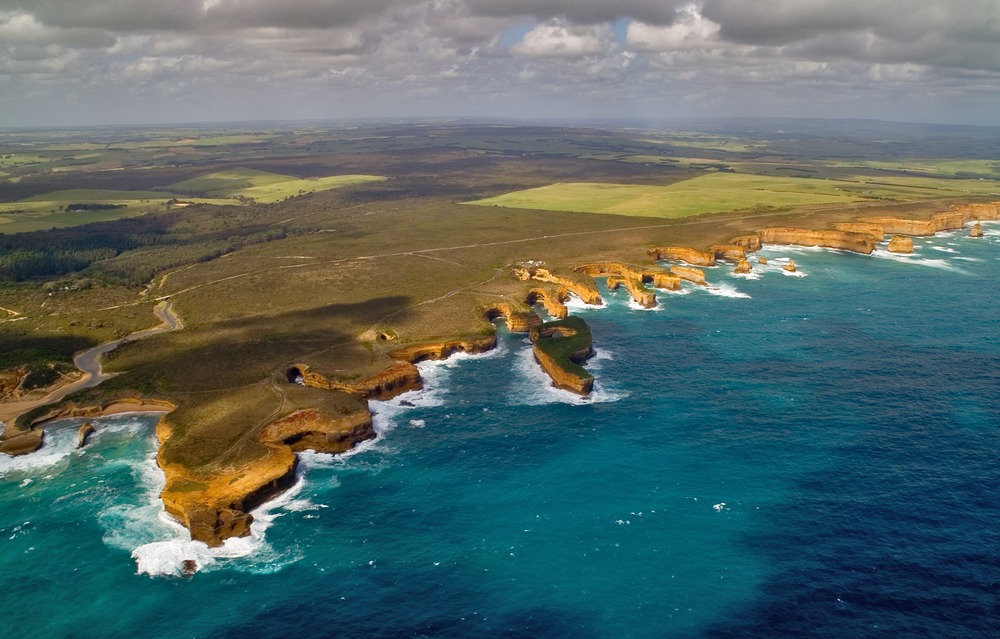
Détroit de Bass
Entre Victoria et Tasmanie, le Détroit de Bass abrite une cinquantaine d'îles, des épaves célèbres et des liaisons régulières en avion comme en ferry.
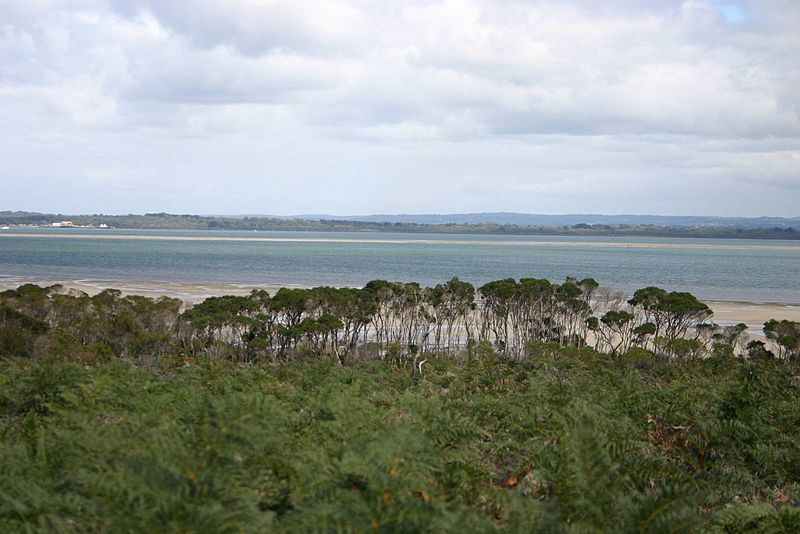
French Island
Île sauvage de 170 km² dans la baie de Western Port, à 60 km au sud de Melbourne : parc national, koalas, orchidées et accès en ferry uniquement.
Want to discover this destination?
Our local advisors design your tailor-made trip.