Kakadu National Park
Kakadu National Park
Australia's largest park and UNESCO jewel, Kakadu spans 20,000 km² of wild landscapes, ancient rock art and spectacular wildlife just 3 hours from Darwin.
Made famous by the cult film Crocodile Dundee, Kakadu National Park lies just a few hours from Darwin. It's Australia's largest protected reserve, and one of the richest in ecosystems. With its remarkable collection of rock paintings, Kakadu is a must-see during a road trip through the Top End.
Kakadu, a land of stories
Human presence in the Kakadu region stretches back over 40,000 years. Scattered throughout the park's caves are paintings and pictographs created by Neolithic hunter-gatherers and Aboriginal peoples. These archaeological and ethnological treasures, combined with the region's natural diversity, were instrumental in securing Kakadu National Park's inscription on the UNESCO World Heritage list in 1981.
Visit the sites of Nourlangie and Ubirr Rock to admire some of Kakadu's finest rock art. To deepen your knowledge of Aboriginal culture, explore the cultural centres at Bowali (near Jabiru) and Warradjan (near Cooinda). The Marrawuddi Gallery is another worthwhile stop for Aboriginal artworks and souvenirs. Beyond this, Kakadu National Park serves as the gateway to Arnhem Land: home to the Yolngu people, custodians of one of the world's oldest cultures.
Discovering Kakadu National Park
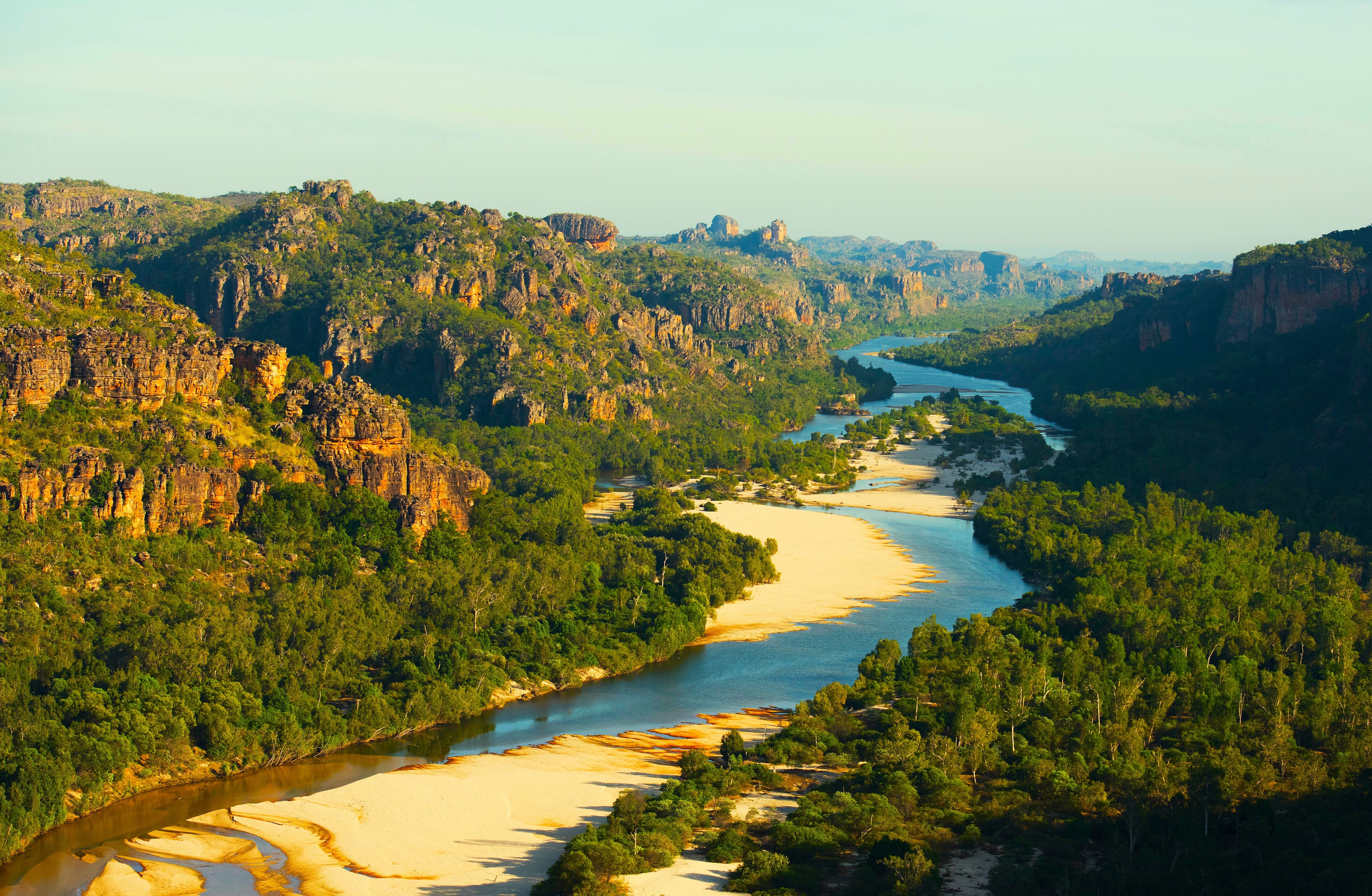
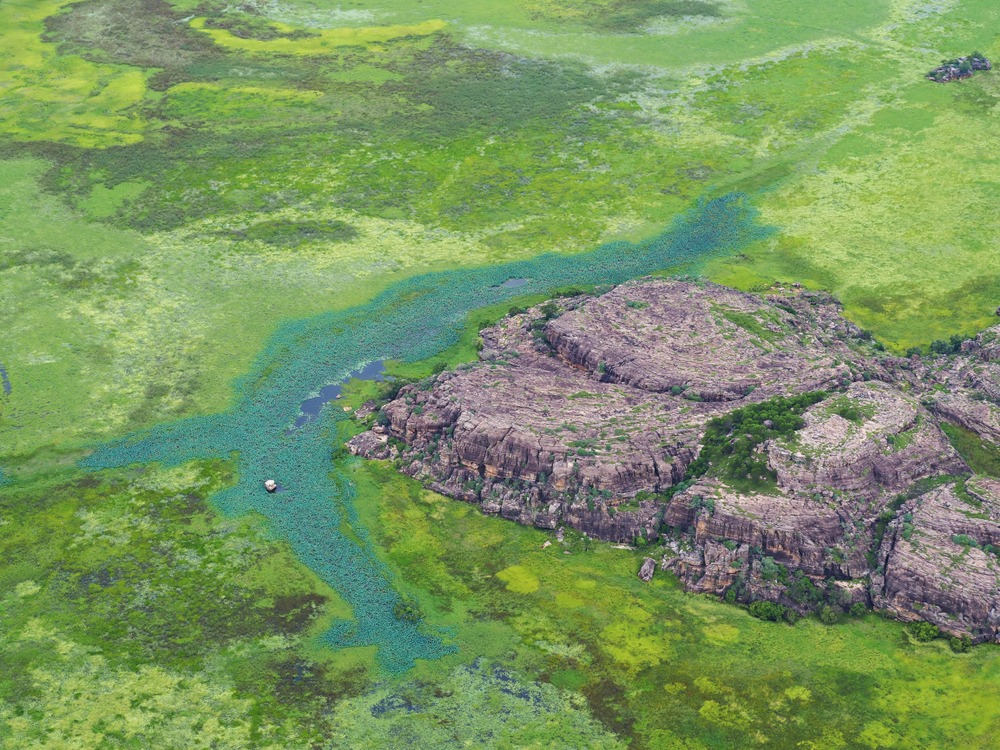
Within its vast 20,000 km² expanse, Kakadu National Park preserves a spectacular patchwork of landscapes. From mangrove swamps to tropical rainforests, from savanna plains to flooded wetlands, rocky escarpments and breathtaking waterfalls—nature delivers an extraordinary spectacle to lovers of wild country.
Experience diverse adventures
There's room for every kind of adventure here. Seek out the Twin Falls and Jim Jim Falls, where you can swim in natural pools at their base. Venture into the forests of the Mary River area to witness cascades thundering down during the wet season. When the climate dries, these falls transform into sparkling waterholes. Add another notch to your hiking credentials by conquering Ubirr Rock. From the summit, you'll enjoy a 360° panorama across Kakadu National Park. And don't miss the Yellow Waters boat cruise to spot crocodiles.
Splendid wildlife
The park teems with wetland birds and migratory species: wild geese, white-bellied sea eagles, cormorants, jabirus, ibis and brolga cranes. Explore the marshlands with care, as they're home to both freshwater and saltwater crocodiles. To spot wallabies, head to the park's most rugged terrain. You're also likely to encounter unique species like the Chelodina turtle or the Oenpelli python.
Since wild creatures can be unpredictable, adopt safe observation practices. Warning signs typically mark hazards. Respect them, maintain distance from animals, and never attempt to feed them.
Continue your journey along the Nature's Way
Starting from Darwin, the Nature's Way route unveils the full splendor of wild Australie, Aboriginal culture and pioneer heritage. Passing through Kakadu National Park, it also traverses the Litchfield National Park, renowned for its falls and giant termite mounds, and Nitmuluk National Park where the Katherine Gorges beckon canoeing enthusiasts. Along this drive, landscapes continuously shift and transform. A paradise for photographers.
Practical Information
Jabiru, the park's principal supply hub, sits approximately 250 km from Darwin. By car, you'll reach it in about three hours using sealed Arnhem roads. Note that once inside the park, certain tracks—particularly those to Twin Falls and Jim Jim Falls—are only passable by 4WD (other vehicles are prohibited).
When to visit?
Open year-round, Kakadu National Park reveals strikingly different faces through the seasons:
- The dry season runs from April through October. This is the prime time for family outings and naturally, when the reserve sees peak visitor numbers. All attractions are accessible and guided tours abound. You'll also witness migratory birds congregating around billabongs during this period.
- The wet season spans November to March. During this time, vegetation cloaks the landscape in lush green, while water levels refresh the plains. Heavy storms often trigger flooding. Fewer tourists visit, and some attractions such as Yellow Waters and Nourlangie are closed.
Rates
Kakadu National Park entry fees vary by season:
- During the dry season: tickets cost AUD 40 for adults and AUD 20 for children aged 5–15. Children under 5 enter free.
- During the wet season: rates are AUD 25 for adults and AUD 12.50 for children.
Purchase passes through Darwin's tourism office, online, or at Bowali Visitor Centre inside the park. Tickets remain valid for one week and are regularly checked by Rangers.
Attractions in Kakadu National Park
Terre d'Arnhem
Territoire aborigène Yolngu de 97 000 km² au nord de l'Australie : art rupestre, faune sauvage et accès réglementé par permis.
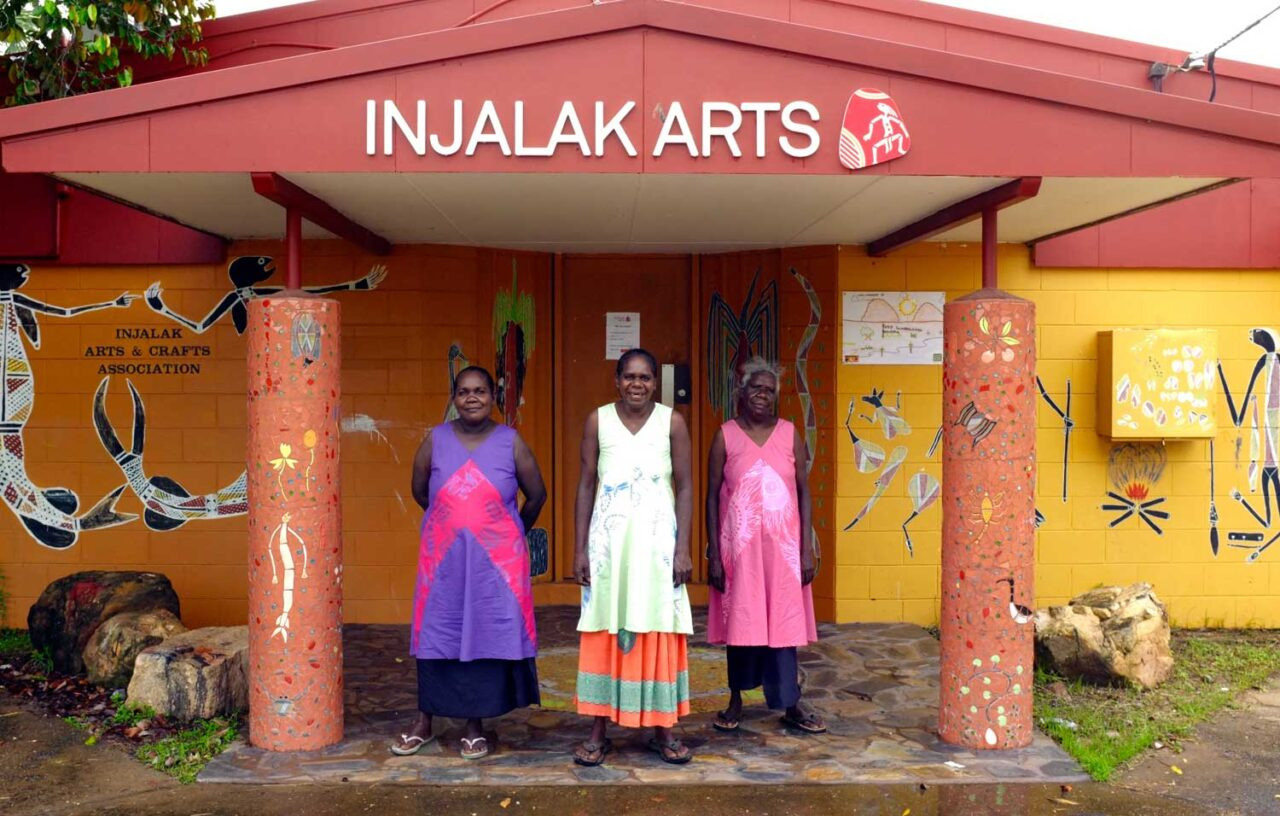
Centre d'art et d'artisanat Injalak
Centre d'art kunwinjku au pied d'Injalak Hill, en Terre d'Arnhem : ateliers d'artistes, peintures sur écorce et galeries d'art rupestre millénaire.
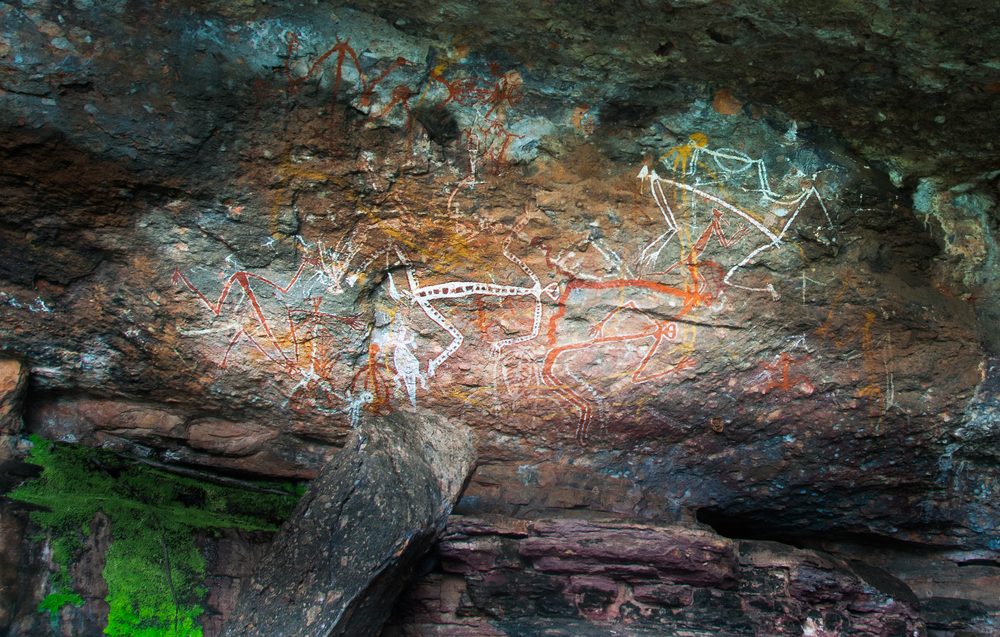
Nourlangie Rock (Nawurlandja)
Nourlangie est un affleurement rocheux de Kakadu abritant des galeries d'art rupestre aborigène parmi les plus remarquables d'Australie, avec vues sur les plaines inondables d'Arnhem Land.
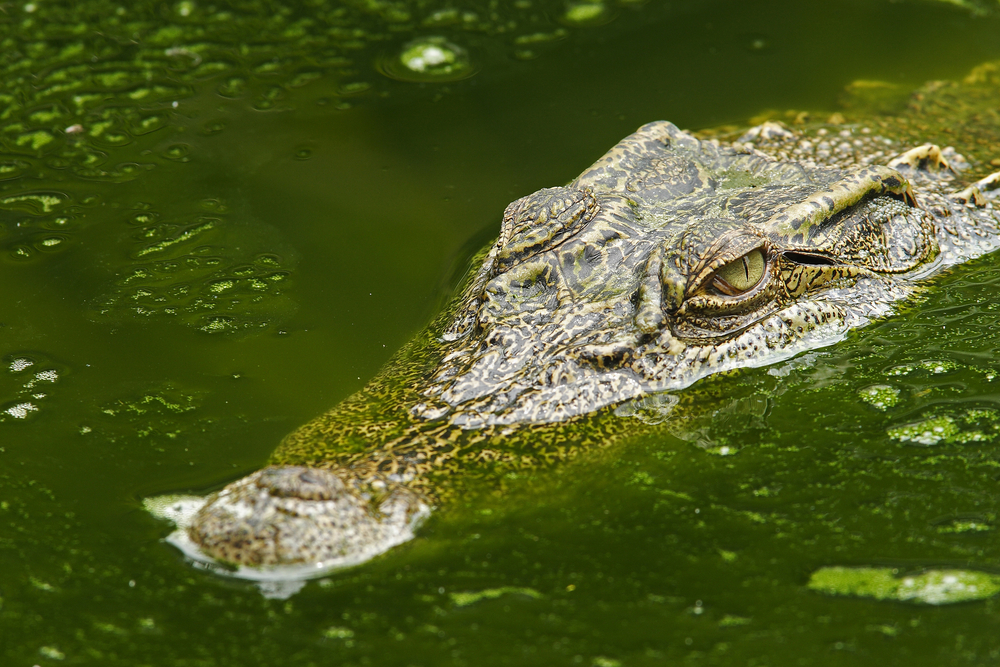
Yellow Water Billabong
Yellow Water est un billabong emblématique du parc national de Kakadu. Ses croisières à l'aube révèlent crocodiles marins, pygargues blagres et nénuphars jaunes dans une lumière dorée inoubliable.
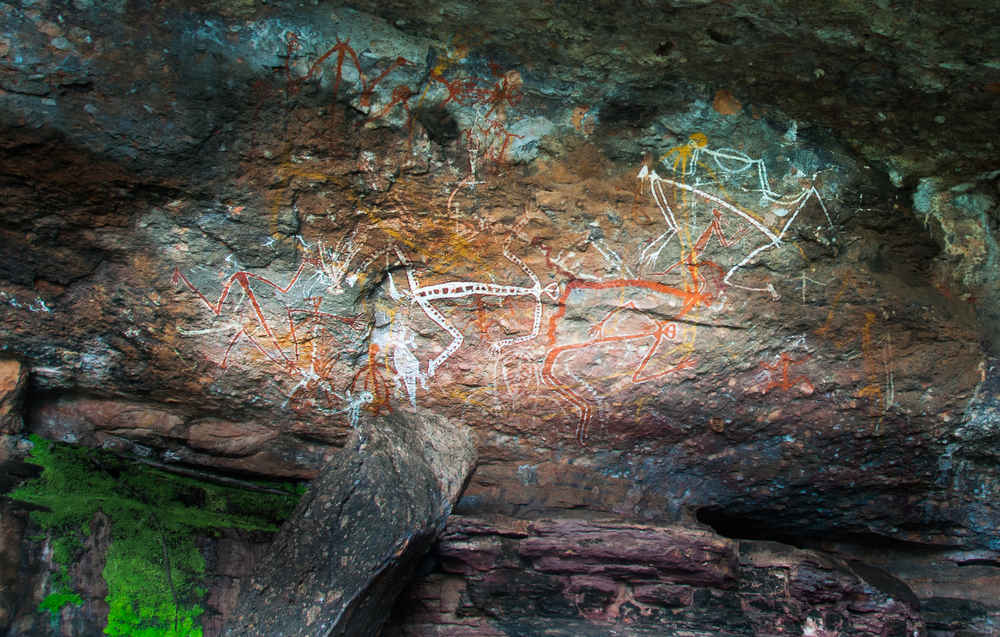
Ubirr
Ubirr, dans le parc national de Kakadu, réunit des galeries de peintures rupestres aborigènes parmi les mieux préservées au monde et un belvédère exceptionnel sur les plaines inondables du Territoire du Nord.
Want to discover this destination?
Our local advisors design your tailor-made trip.