Phillip Island
Phillip Island
Just two hours from Melbourne, Phillip Island captivates with its penguin parade, koalas and rugged cliffs overlooking Bass Strait.
Just two hours' drive from Melbourne, Phillip Island invites you to step between land and sea, where the rhythm of nature reclaims its place. Connected to the mainland by a bridge crossing the coastal town of San Remo, this peaceful island in Victoria offers instant escapism without leaving Australia's coast. Known for its celebrated little penguin parade, it enchants with its maritime atmosphere, island charm and wild horizons—a testament to pristine Australia.
The History of Phillip Island
Before European arrival, Phillip Island, then called Millowl, belonged to the territory of the Bunurong / Boonwurrung peoples. These Kulin Nation communities fished, hunted and celebrated their rituals here, making the island a seasonal settlement rich in natural resources.
In the late 18th century, explorations by George Bass and Matthew Flinders marked the beginning of the colonial era. Seal hunting, then agriculture developed, notably on Churchill Island, where Victoria's first farms were established. In the 19th century, the island evolved toward livestock farming, chicory cultivation and the first tourist flows. Penguin watching, already popular at that time, announced Phillip Island's future calling: that of a natural sanctuary open to discovery.
Phillip Island Today
Today, Phillip Island is a model of sustainable tourism and conservation. It attracts millions of visitors eager to witness the little penguin parade and explore its wild coastlines.
The teams at Phillip Island Nature Parks lead ambitious protection programmes: habitat restoration, species reintroduction and marine wildlife research. The island also hosts international events such as the MotoGP Grand Prix, while celebrating Bunurong culture, whose heritage inspires environmental awareness and education initiatives.
A symbol of balance between heritage, nature and ecological innovation, Phillip Island embodies an Australia that is conscious and committed to preserving its environment.
What to See and Do at Phillip Island?
Between ocean and pristine nature, Phillip Island offers far more than a mere backdrop: it's a world apart, where wildlife, landscapes and the sweetness of living blend in rare harmony. Discover the island at your own pace, through observation, walks and encounters.
- Experience the magic of the penguin parade: each evening at dusk, hundreds of little penguins waddle back onto the beach from the ocean. This suspended moment, observable from discreet boardwalks, is one of Australia's most moving experiences.
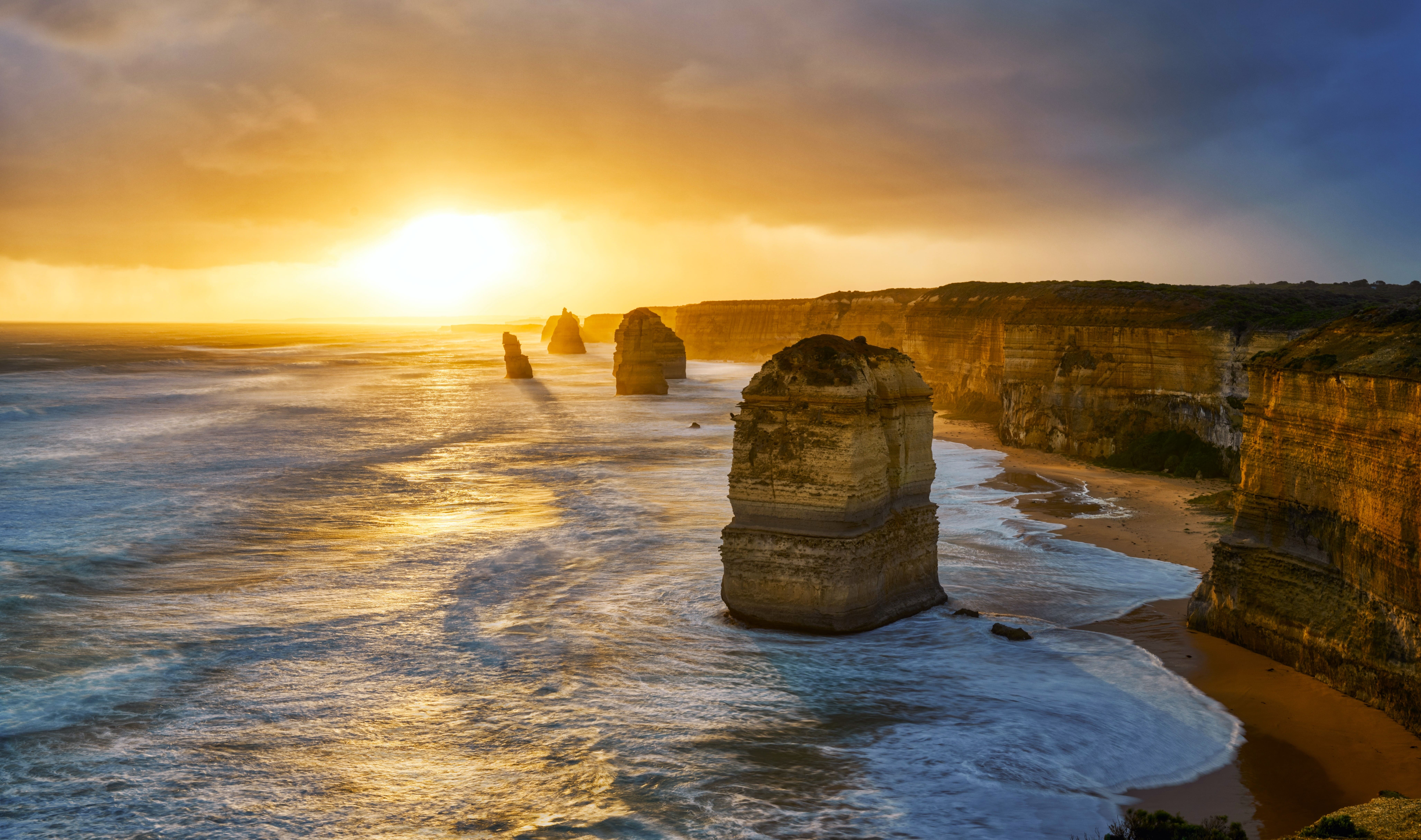
- Explore the coastal trails: from the cliffs of Cape Woolamai to the mangroves of Rhyll Inlet, the island is perfect for walking or cycling, offering superb views over Bass Strait.
- Savour the local flavours: three family-run wineries welcome visitors to their cellars. Around a cheese board or a local Pinot Noir, you'll experience the island's convivial spirit, extended by several craft breweries and beachside bars.
- Discover local culture: known as Millowl by the Bunurong people, the island bears witness to over 40,000 years of history. On Churchill Island, one of Victoria's first agricultural sites, or in Cowes galleries, this memory lives on today.
- Feel the pulse of major events: each year, Phillip Island hosts the MotoGP Grand Prix and World Superbike. The rest of the time, the coves empty out, sunsets blaze across the sea and the island reclaims its natural calm.
When to Visit?
Accessible year-round, Phillip Island enjoys a temperate climate. The months of February to March offer ideal conditions: mild temperatures and plenty of sunshine.
Spring (September–October) combines pleasant weather with moderate crowds, while winter (May–August) brings coolness and tranquillity. Whatever the season, the island charms with its light and serene landscapes.
Located approximately 125 km south-east of Melbourne, Phillip Island is connected to the mainland by a bridge crossing the town of San Remo. Allow around two hours' drive from Melbourne.
- By car: the most practical and flexible option. Direct route and plenty of parking on the island.
- By bus: regular services connect Melbourne to Phillip Island via San Remo.
- By train + bus: from Melbourne, reach Dandenong or Cranbourne, then continue by bus to the island.
- By ferry: seasonal crossings link Stony Point to Cowes—a lovely way to arrive by sea.
Getting around Phillip Island is simple and enjoyable: its modest size makes it easy to reach the main natural sites and coastal villages.
- By car: the most convenient way to explore freely. Free parking near main sites.
- By bike: shared paths connect Cowes, Rhyll and San Remo, offering superb coastal views.
- By taxi or shuttle: services available from accommodations, particularly in the evening for the penguin parade.
- On foot: main towns like Cowes are easily explored on foot.
- On an organised tour: several local agencies offer day trips with transport included.
Want to discover this destination?
Our local advisors design your tailor-made trip.