East Coast & Sydney
From Sydney to Cairns, 2,400 km where a bustling harbor metropolis, eucalyptus forests, surf villages and access to the Great Barrier Reef succeed one another.
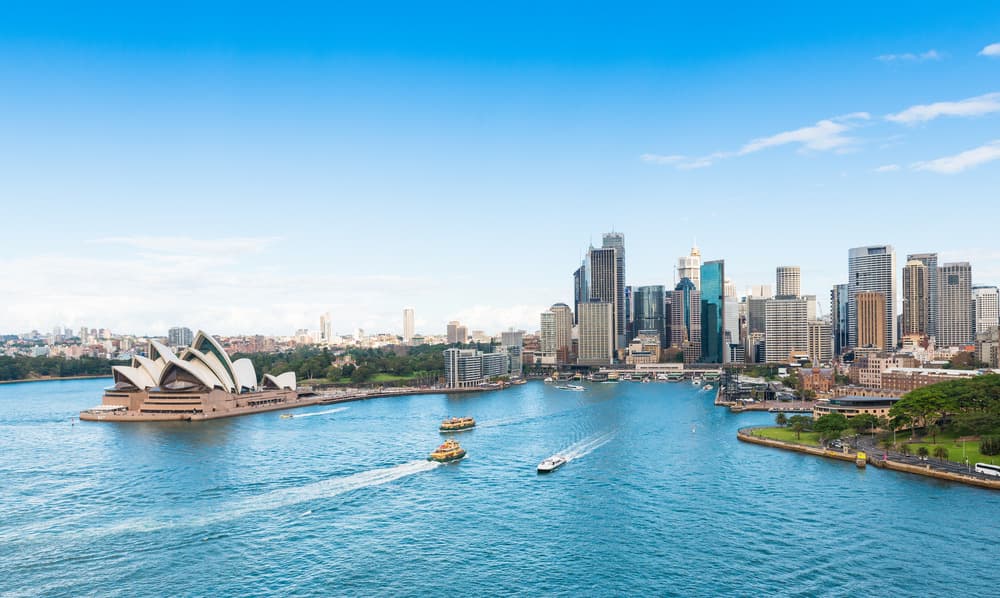
The east coast holds the first images travelers keep of Australia: the silhouette of Sydney Opera House from the Manly ferry, the urban beaches of Bondi and Bronte, the rainforest descending to the sea in the Daintree north of Cairns. It is also the country's densest axis in terms of population, infrastructure and landscape variety, spanning nearly 2,400 km from Sydney to Cairns. From our agency, it's the region we recommend first for a maiden voyage, because it combines city, ocean, subtropical forest and access to the Great Barrier Reef without imposing long stretches of desert driving.
Sydney occupies a harbor carved by dozens of bays and coves. Three full days allow you to walk from Bondi to Coogee along the cliffs, take the ferry to Manly, climb the Harbour Bridge and cross through neighborhoods like Surry Hills, Newtown and Chippendale, where the Australian café scene took root in the 2000s. The Royal Botanic Garden and contemporary Aboriginal art galleries in Chippendale offer another perspective on the city. Ninety minutes by train, the Blue Mountains around Katoomba offer your first steps into eucalyptus forest, with the Three Sisters formations and the Grose Valley trails. The air smells of essential oils, and it's this blue haze of eucalyptus that gave the mountain range its name.
Heading north, the Pacific Highway passes through a succession of coastal towns with distinct identities. Port Stephens and its Stockton sand dunes, Coffs Harbour, then Byron Bay—a former whaling port turned Australian surf capital—maintain economies oriented toward the ocean. The hinterland of Northern Rivers, around Bangalow and Nimbin, is home to communities established since the 1970s around organic farming and macadamia cultivation. Brisbane, the country's third city, marks the entry into Queensland: warmer climate, the distinctive stilted Queenslander architecture, and CityCat ferries on the river. Beyond, the islands of Moreton Bay and the Sunshine Coast extend this transition toward the tropics.
Further north still, tropical Queensland shifts registers entirely. Cairns and Port Douglas serve as gateways to the Great Barrier Reef, which stretches 2,300 km along the continental shelf. Day trips venture toward outer reefs like Agincourt or Opal Reef for diving and snorkeling, while the Daintree rainforest, UNESCO-listed, descends to Cape Tribulation where it meets the sea. This coexistence of two World Heritage sites—coral reef and wet tropical forest—is a geographical singularity unique to this stretch of coast. The land traditionally belongs to the Kuku Yalanji people, whose guides offer interpretive walks around Mossman Gorge.
Climate shapes the calendar. Sydney experiences a temperate regime, with summers around 26°C and mild winters around 17°C. Brisbane and Cairns shift into subtropical then tropical conditions: the wet season, December to March, brings heavy rainfall and the presence of irukandji jellyfish in northern waters, while the dry season, April to October, offers stable conditions for diving and hiking. Cuisine follows the coast: Sydney Rock oysters from the Hawkesbury, cheeses from the Bega Valley, mangoes and passion fruit from Queensland, modern Australian cuisine with strong Asian influence in the major cities.
Economically, the east coast concentrates three-quarters of Australia's population and the lion's share of the country's cultural output. This makes it a natural entry point, but also a region we suggest leaving quickly to find contrast: a few days in the Outback or the Center allow you to understand the country's other face—more arid and more silent.
What to Discover
Bondi-Coogee Coastal Walk. 6 km along sandstone cliffs south of Sydney, with the natural pools of Bronte and Wylie's Baths carved into the rock. Allow 2 hours without detours.
Blue Mountains from Katoomba. Trails through the Grand Canyon Walk and Wentworth Falls in eucalyptus forest, 90 minutes by train from Sydney Central. The blue haze comes from essential oils released by the leaves.
Great Barrier Reef from Port Douglas. Full-day trips to outer reefs like Agincourt or Opal Reef, 2 hours by boat from the coast. Optimal visibility between June and October.
Daintree and Cape Tribulation. The only place on earth where a UNESCO-listed tropical rainforest touches a UNESCO-listed coral reef. Crossing the Daintree River by barge, guided walks with a Kuku Yalanji ranger at Mossman Gorge.
Byron Bay Hinterland. The villages of Bangalow, Federal and Newrybar, nestled in macadamia-planted hills, with farmers' markets on Saturday mornings and galleries of artists who settled there in the 1970s.
When to Go
The most comfortable window across the entire coast runs from April to October. In Sydney, expect 22 to 26°C in summer (December-February) and 13 to 18°C in winter, with rainfall distributed throughout the year. Further north, tropical logic takes over: at Cairns and Port Douglas, the wet season from December to March brings monthly rainfall often exceeding 400 mm, possible cyclones and irukandji jellyfish present, requiring protective suits for swimming. The dry season, May to September, offers 25 to 29°C during the day, reduced humidity and the best underwater visibility on the Great Barrier Reef, around 20 to 25 meters.
To combine city, beaches and reef in ideal conditions, we often guide travelers toward the May to October period. July and August are perfect for diving and observing humpback whales off Hervey Bay and Cape Byron, but they're also Australian school holidays, with increased crowds in Sydney and the Whitsunday Islands. Conversely, February and March are best avoided in the north due to rainfall and cyclone risk.
Practical Advice
We recommend a minimum of 10 days on this coast to avoid rushing through it: 3 days in Sydney with a day in the Blue Mountains, 2 days around Byron Bay or Brisbane, then 4 to 5 days in tropical Queensland between Port Douglas, the Daintree and the Great Barrier Reef. Distances are considerable—Sydney to Cairns represents 2,400 km of road—and we therefore favor domestic flights (Sydney-Brisbane 1.5 hours, Brisbane-Cairns 2.5 hours) rather than driving the entire way, unless travelers want to take the time for a three-week road trip.
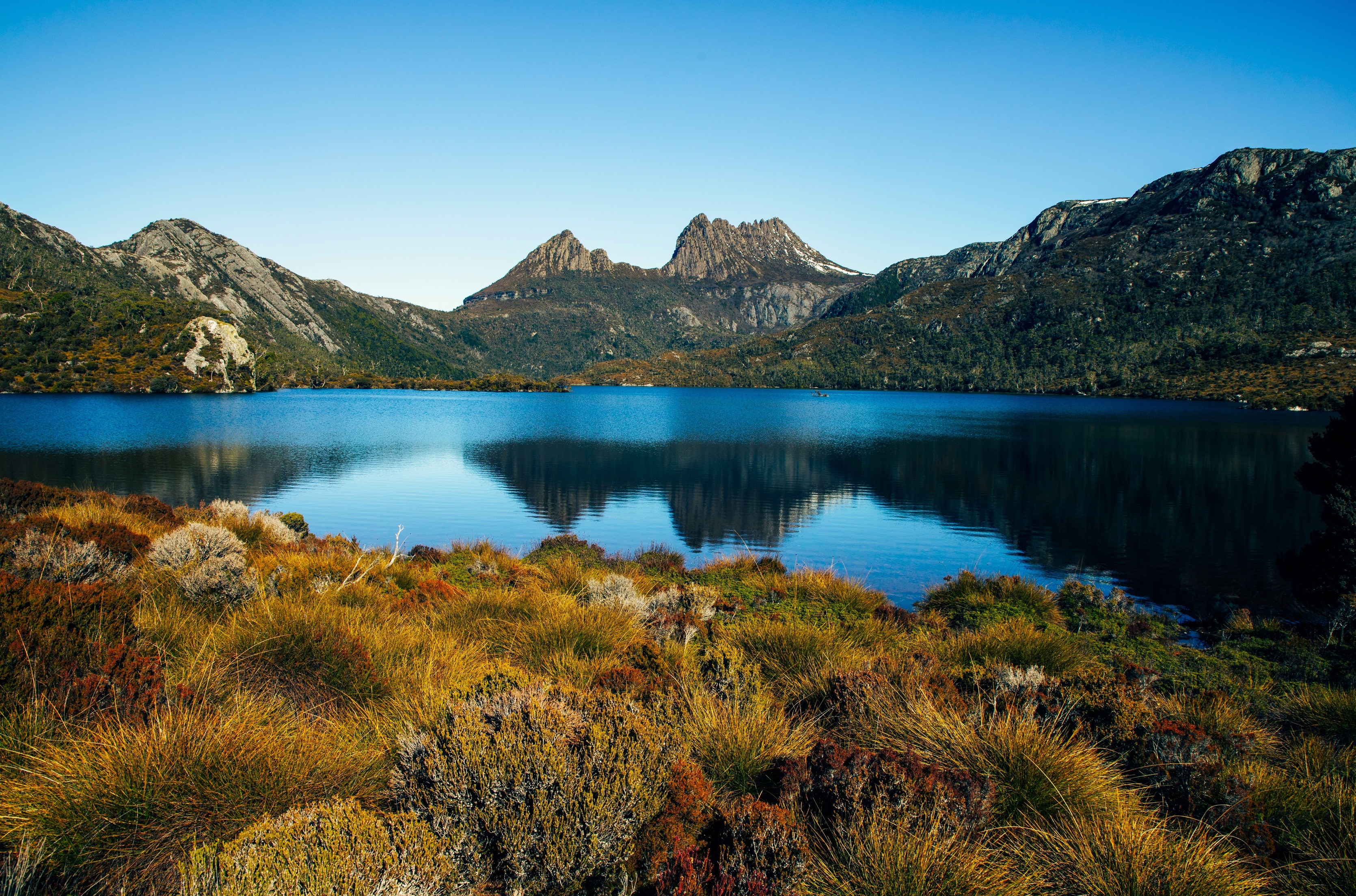
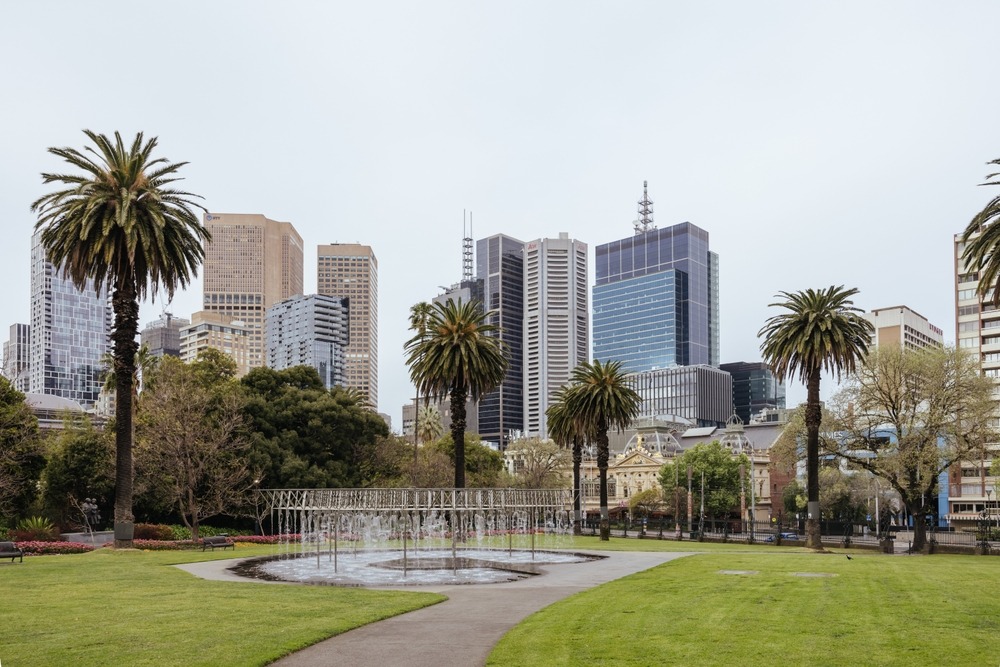
This coast combines well with the Red Centre to balance beaches and desert (3 to 4 days at Uluru and Kings Canyon from Sydney), with Tasmania for hikers seeking cooler climate, or with Great Ocean Road & Victoria if entering via Melbourne. Comfort levels are high throughout, with a wide choice of accommodations from ecolodges in the Daintree to design hotels in Sydney. The region suits both families, thanks to short distances between points of interest and beach activities, and contemplative travelers who will favor the Byron hinterland and Daintree over Gold Coast hustle.