Great Ocean Road & Victoria
240 km of coastline between Torquay and Allansford, Melbourne and its café scene, the Grampians and their rock art: a compact Victoria to discover in 7 to 10 days.
Victoria occupies the south-eastern corner of the continent, a compact state where you can shift within hours of driving from the windswept beaches of Bass Strait to the arid gorges of the Grampians. Our team based in the capital, Melbourne, shapes the majority of itineraries around a simple axis: the city as a cultural base camp, then the Great Ocean Road as a scenic backbone heading west. This 240 km coastal road, built between 1919 and 1932 by First World War veterans, connects Torquay, the birthplace of Australian surfing and home to Rip Curl and Quiksilver, to Allansford near Warrnambool.
Melbourne deserves two to three full days. The city reveals itself through its lanes: Hosier Lane with its murals refreshed monthly, Degraves Street for specialty cafés, Queen Victoria Market for Gippsland produce. The local café culture, inherited from post-war Italian and Greek migrations in Carlton and Brunswick, has influenced London and New York. At table, you'll taste Coffin Bay oysters, Western District lamb, and Yarra Valley wines 50 km north-east, specialising in cool-climate pinot noir and chardonnay.
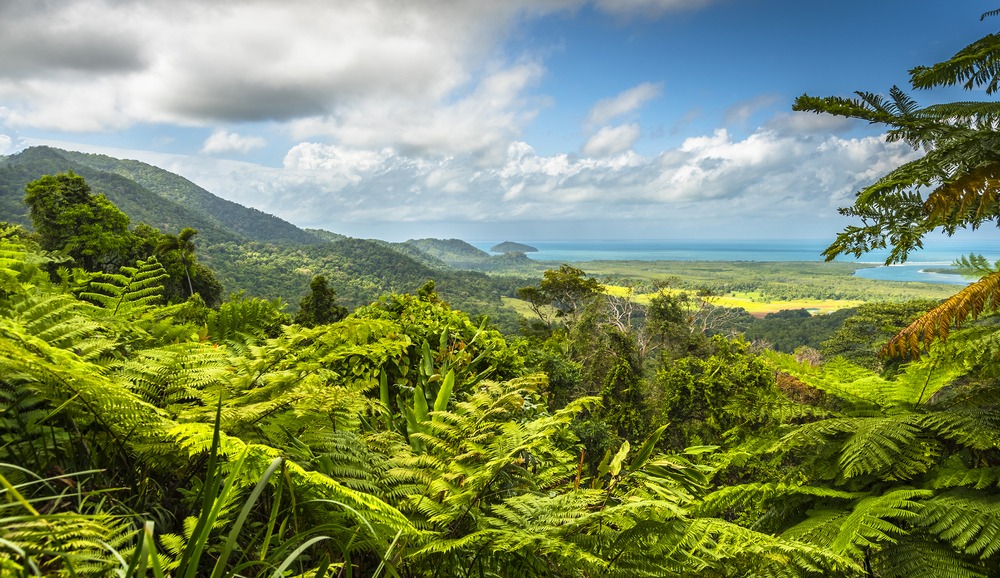
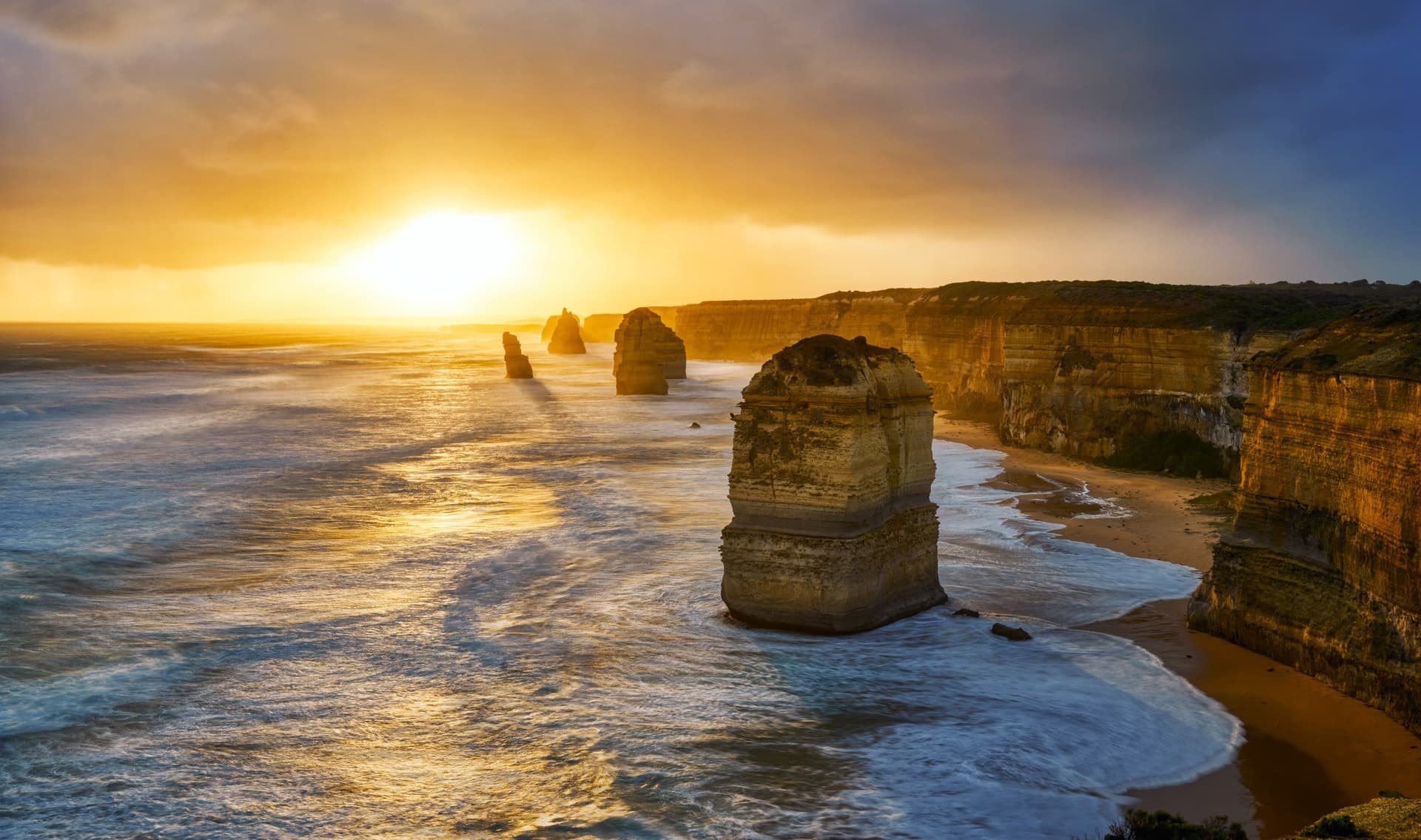
The Great Ocean Road itself warrants a minimum of three days to truly experience it. The Twelve Apostles, limestone pillars roughly fifty metres high carved from the cliff by southern ocean erosion, are best visited at dawn or late afternoon to avoid midday tour buses. Further west, Loch Ard Gorge recounts the 1878 wreck of the clipper bearing its name. Great Otway National Park, traversed by the road between Apollo Bay and Lavers Hill, shelters forests of giant eucalypts, tree ferns and a dense koala population around Kennett River.
North-west, three hours from Melbourne, the Grampians (Gariwerd in the language of the Jardwadjali and Djab Wurrung peoples) form a sandstone massif where you can hike in half a day to Pinnacle Lookout above Halls Gap, or tackle the longer Grampians Peaks Trail opened in 2021. The region contains one of the highest densities of Aboriginal rock art in south-eastern Australie, with sites like Bunjil's Shelter and Ngamadjidj freely accessible.
Further east, Gippsland remains understated on the classic circuit. Its Wilsons Promontory and 90 Mile Beach offer wild coastal nature, frequented mostly by Victorians on weekends. Northwards, the vineyards of Heathcote and the town of Bendigo, enriched by the 1850s gold rush, reveal another Victoria—agricultural and mining—where you still encounter golden-stone Victorian buildings and Chinese temples built by Cantonese gold seekers.
The temperate climate makes the region accessible much of the year, with a pronounced oceanic character: Melburnians say you experience "four seasons in one day", and it's literal. This variability is part of the journey, and shapes our seasonal recommendations.
Must-see
Twelve Apostles at dawn. Arrive at Gibson Steps viewpoint around 6 am in summer to descend onto the beach at the foot of the limestone pillars, before the tour coaches from Melbourne arrive mid-morning.
Wild koalas of Kennett River. On Grey River Road, behind the village, manna eucalypts shelter a resident colony you can observe at eye level while walking slowly for 200 m.
Rock art of the Grampians. Four main sites including Bunjil's Shelter display paintings attributed to the Jardwadjali and Djab Wurrung peoples, dated thousands of years old, accessible by short walk.
Queen Victoria Market in Melbourne. Saturday mornings, taste Gippsland cheeses, Andrew's bratwursts, and café fare from stalls beneath the 1878 hall.
Yarra Valley pinot. A day at Domaine Chandon, Yering Station and De Bortoli, 50 km north-east of Melbourne, to understand what a cool climate produces 100 km from the ocean.
When to go
We recommend the window from December to March, the Australien summer, to traverse the Great Ocean Road: temperatures around 22 to 26 °C during the day, sea suitable at Lorne or Apollo Bay, long days until 9 pm allowing you to enjoy raking light on the Apostles in the evening. March-April (autumn) offers a good balance with fewer crowds and still-mild temperatures around 18 to 22 °C. Winter, June to August, remains accessible but humid: 12 to 14 °C during the day, frequent rain, often rough seas. However, it's the best season to watch southern right whales off Logans Beach in Warrnambool, from June to September.
The Grampians are best hiked during Australien spring, September to November, when wildflowers bloom and temperatures stay below 25 °C. January-February is dry and hot there, sometimes 35 °C, with bushfire risk that can close trails. Melbourne is worth visiting year-round, its changeable weather being part of its character: always pack a warm layer and windproof jacket, even in summer.
Practical advice
Allow 7 to 10 days to cover everything well: 3 days in Melbourne including a Yarra Valley or Mornington Peninsula day, 3 days on the Great Ocean Road with nights at Lorne or Apollo Bay then Port Campbell, and 2 to 3 days in the Grampians from Halls Gap. The logistical entry point is Melbourne Tullamarine international airport, well-connected to Europe via Singapore, Dubai or Doha. Car rental is essential outside the city centre, distances remaining reasonable: 220 km from Melbourne to the Apostles, 260 km from Melbourne to Halls Gap.
The region combines naturally with Tasmania, accessible by 1 hour 15 minute direct flight from Melbourne or overnight ferry from Port Melbourne to Devonport, and with Sydney and the East Coast by 1 hour 30 minute flight. It's also a good starting or finishing point for a circuit including the Red Centre, with a 3-hour Melbourne-Alice Springs flight. Accommodation quality is high throughout, from design boutique-hotels in Melbourne to coastal lodges on Great Ocean Road. The region suits families with children from age 6, those drawn to shifting light, and moderate-level hikers who'll appreciate the Grampians without extreme commitment.