Top End
Savanna plains, UNESCO World Heritage parks, rock art dating back 65,000 years, and spectacular wildlife: the Top End, at the northern tip of Australia's Northern Territory, ranks among the continent's most singular regions.
The Top End designates the northern extremity of Australia's Northern Territory, centered around Darwin. Floodable savannas, national parks inscribed on the World Heritage list, Aboriginal cultures among the world's oldest: this region concentrates a biodiversity and historical depth that few places on Earth match. The wet season and dry season shape everything here — landscapes, wildlife, and track accessibility.
Essential Information at a Glance
- Best time to visit: dry season (May to October) — roads passable, manageable heat, wildlife concentrated around water sources.
- Wet season: November to April — certain tracks and park areas close, significant flooding occurs.
- Access: Darwin is the primary gateway, served by domestic flights from Sydney, Melbourne, and Brisbane. The Stuart Highway connects Darwin to the rest of the country.
- Vehicle: 4WD recommended for unsealed roads, particularly in Kakadu and Litchfield.
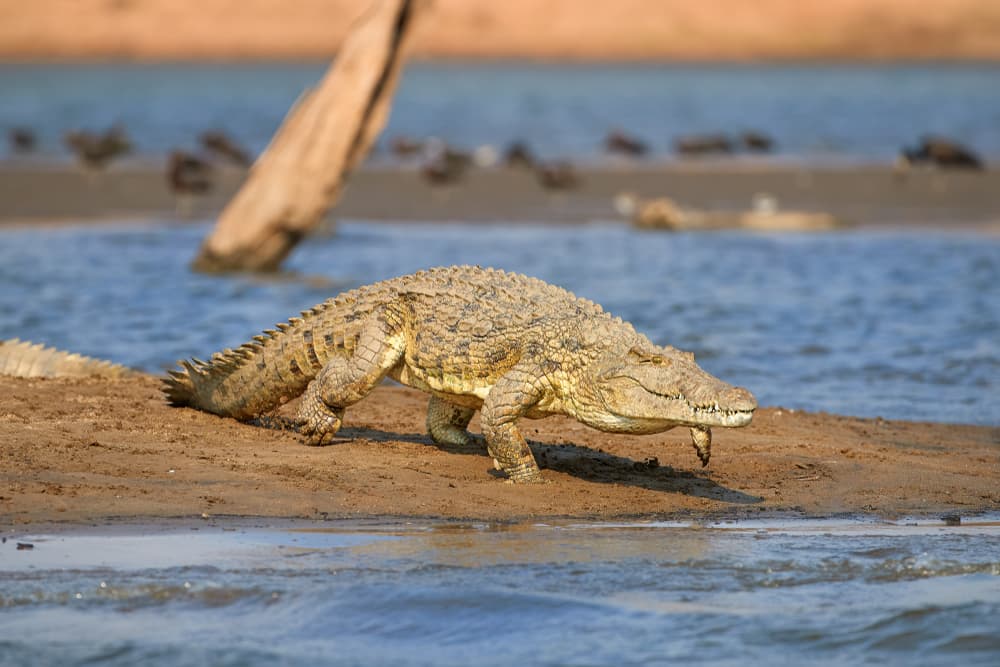
- Crocodiles: saltwater crocodiles present in all waterways and coastal zones — strictly observe no-swimming signs.
- Permits: certain Aboriginal lands require specific access permits, to be arranged in advance.
What You'll Experience
The Top End offers landscapes that shift dramatically with the seasons. In the dry season, golden plains and billabongs reveal extraordinary concentrations of waterbirds — black swans, egrets, whistling ducks. The sandstone escarpments of Kakadu shelter rock art galleries tens of thousands of years old. Litchfield National Park features accessible waterfalls and the characteristic magnetic termite mounds.
History and Context
Aboriginal peoples have inhabited the Top End for at least 65,000 years, making it one of the world's longest continuous human occupations. The rock paintings of Kakadu document millennia of life, beliefs, and now-extinct fauna. European colonisation began in the 19th century; Darwin, founded in 1869, remains the administrative centre. The city was bombed by Japan in 1942, a major World War II episode in Australian history.
Highlights of Your Visit
Kakadu National Park
UNESCO World Heritage-listed for both its natural and cultural values, Kakadu spans nearly 20,000 km². The sites of Nourlangie and Ubirr concentrate rock paintings accessible on foot. Yellow Water plain, by boat, offers crocodile and bird observations during the dry season.
Litchfield National Park
Less than two hours from Darwin, Litchfield is prized for its Wangi and Florence waterfalls, natural pools, and magnetic termite mounds — those earthen pinnacles aligned north-south according to Earth's magnetic field. Unlike Kakadu, most sites remain accessible by standard vehicle in the dry season.
Darwin and Its Waterfront
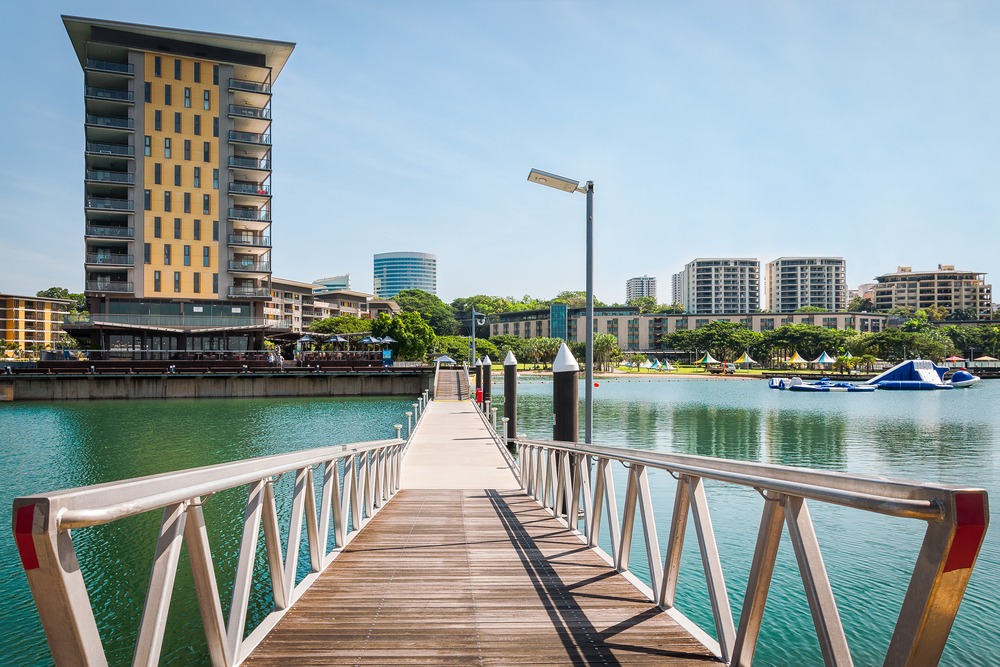
Australia's Northern Territory capital offers the Museum and Art Gallery of the Northern Territory, rich in Aboriginal art and regional natural history. The Mindil Beach night market, during the dry season, draws artisans and world cuisines facing the sunset over the Timor Sea.
Nitmiluk (Katherine Gorge)
Approximately three hours south of Darwin, the Katherine Gorges form a series of red sandstone canyons explored by canoe or boat. The site is managed jointly with the Jawoyn people, the traditional landowners.
Photography Tips
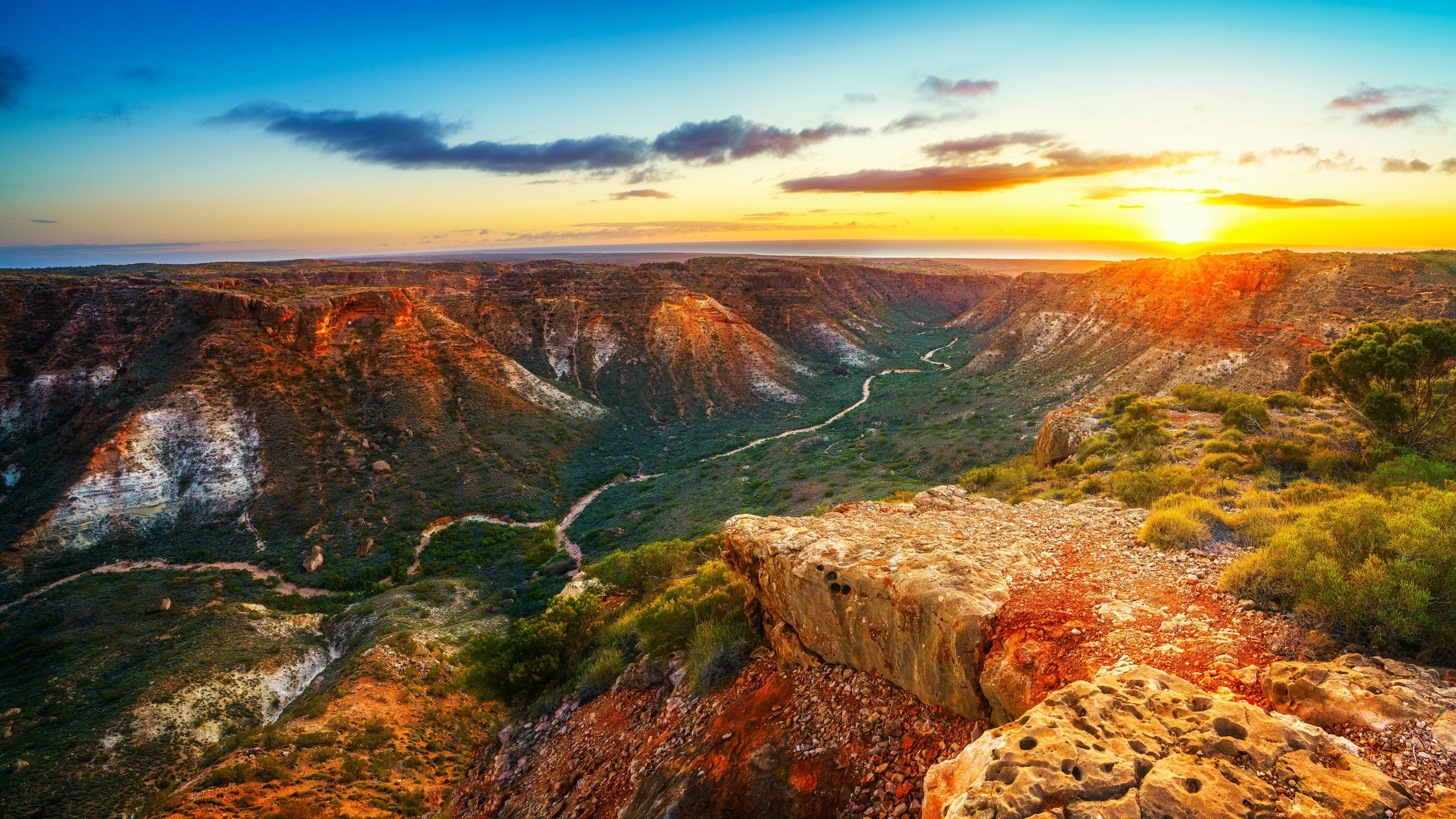
The golden light of blue hour and sunset is particularly striking on Kakadu's escarpments and Katherine's gorges. At Yellow Water, morning boat departures offer low-angle light ideal for photographing wildlife. Always verify photography restrictions at rock art sites — certain sacred representations must not be photographed.
Location and Access
The Top End extends north of the 16th parallel in the Northern Territory. Darwin is the logistical hub: international airport, vehicle rental, tour operators. Kakadu lies approximately 250 km east of Darwin via the Arnhem Highway. Litchfield is about 100 km south. Katherine, gateway to Nitmiluk, is roughly 320 km south of Darwin on the Stuart Highway.
Public transport is severely limited outside Darwin. A rental vehicle — ideally a 4WD — remains the most flexible solution. Organised tours departing Darwin provide site access without a personal vehicle.
Nearby Attractions
- Kakadu National Park — rock art, billabongs, and wildlife in Australia's largest national park.
- Litchfield National Park — waterfalls, natural pools, and magnetic termite mounds two hours from Darwin.
- Nitmiluk (Katherine Gorge) — red sandstone canyons to explore by canoe on the Katherine River.
- Darwin — multicultural city, night markets, and museums on Northern Territory history.
- Arnhem Land — remote Aboriginal territory, accessible by permit, for deep cultural immersion.
Frequently asked questions
The dry season, May to October, is ideal. Roads are passable, heat is moderate, and wildlife congregates around water sources. The wet season (November-April) closes many tracks and renders certain parks inaccessible.
No, except in zones explicitly authorised and signposted. Saltwater crocodiles inhabit all waterways and coastal zones of the Top End. Strictly observe the signs — certain sites like Litchfield's pools are patrolled and approved for swimming.
A 4WD is strongly recommended for unsealed tracks in Kakadu and remote areas. Litchfield is largely accessible by standard vehicle in the dry season. Check road conditions before departing, especially early and late in the dry season.
Yes. Access to Arnhem Land and certain Aboriginal lands requires permits issued by the relevant land councils. Kakadu and Litchfield are open national parks, though an entry fee applies to Kakadu.
Photography is permitted at most sites, but certain sacred representations are off-limits. Signage on-site indicates restrictions. Respect these guidelines — they are set by the traditional landowners.
Plan a minimum of five to seven days to cover Darwin, Kakadu, and Litchfield. Adding Katherine and Nitmiluk requires two to three additional days. A full week allows comfortable exploration without rushing.