Complete Guide to Australia
Australia is as much a continent as a country: 4,000 km separate Perth from Sydney, and you need to cross three time zones to traverse the territory. From our agency, we design itineraries that embrace these distances rather than ignore them. The east coast, from Sydney to Cairns, concentrates the classics: Opera House, Blue Mountains, Gold Coast beaches and diving on the Great Barrier Reef departing from Port Douglas. The Red Centre, around Uluru and Kings Canyon, requires at least four days to make sense, with nights under one of the purest starlit skies in the southern hemisphere.
To the west, Western Australia remains confidential: Ningaloo Reef to swim with whale sharks between March and July, Karijini and its rust-coloured gorges, coastal drive to Broome. The Top End, around Darwin and Kakadu National Park, is visited during the dry season (May to October) for Aboriginal paintings and accessible waterfalls. Tasmania, often overlooked, offers six days of landscapes from the Overland Track to the Freycinet coast, with a temperate climate close to New Zealand.
Endemic wildlife structures many journeys: kangaroos and wallabies are encountered everywhere, koalas on Kangaroo Island or around Port Stephens, platypuses in Queensland's inland rivers. For a first trip, we recommend choosing two to three regions maximum over 18 to 21 days, rather than rushing from one end of the country to the other.
The regions of Australia
Each region has its own personality: climate, landscapes, pace of life and ways of traveling. Our local team helps you choose the combination that suits you.
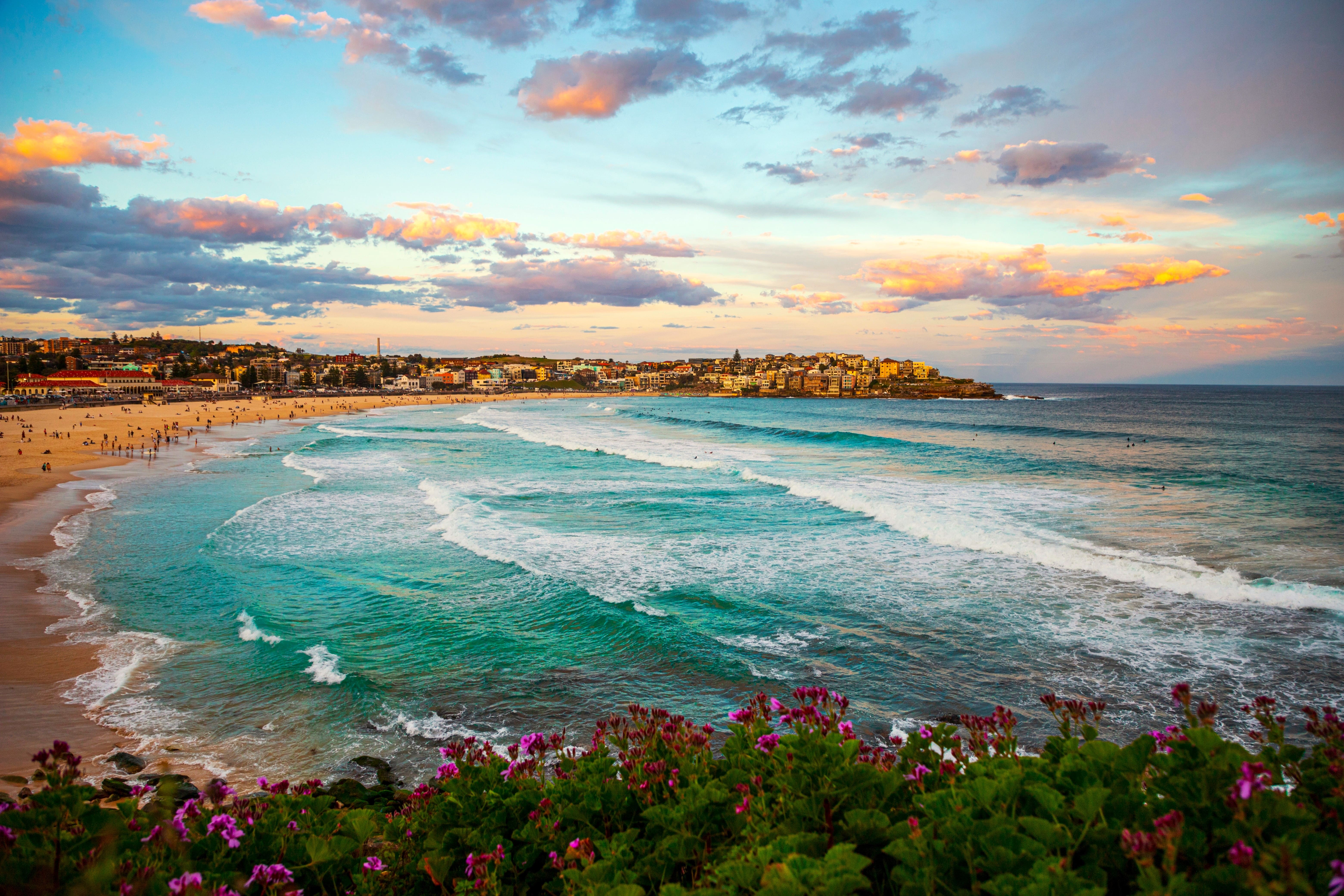
East Coast & Sydney
From Sydney to Cairns, Australia's east coast concentrates the essence of first-time visits. Sydney deserves three full days, between the harbour, Bondi and a day trip to the Blue Mountains in Katoomba. Further north, Byron Bay retains its surf culture, then Brisbane opens onto tropical Queensland. Subtropical to tropical climate, with humid summers from December to March and mild winters around 20°C perfect for travelling. It's also the departure point for the Great Barrier Reef, from Cairns or Port Douglas. We often combine this coast with a few days in the Outback to balance beaches, city and desert.
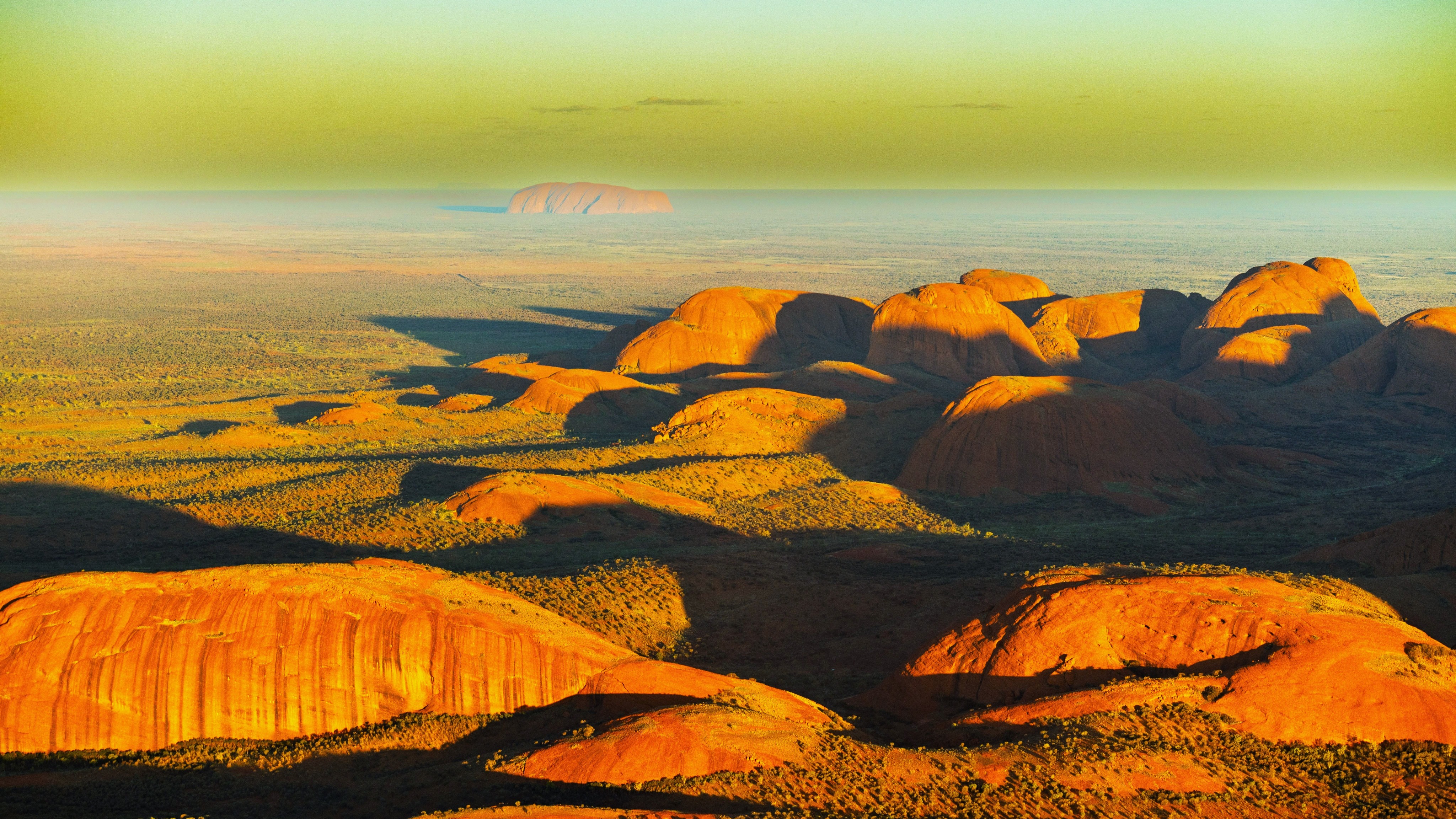
Centre Rouge
The desert heart of the country revolves around Alice Springs, Uluru, Kata Tjuta and Kings Canyon. Allow a minimum of four days to walk around Uluru (10 km, at dawn), hike through the Valley of the Winds and complete the rim walk of Kings Canyon. Temperatures range between 25°C during the day and 5°C at night in the Australian winter (May to September), the season we recommend. Summer is not advised, with temperatures exceeding 40°C. The sense of place reveals itself through guided visits led by the Anangu, the traditional people of this World Heritage site.
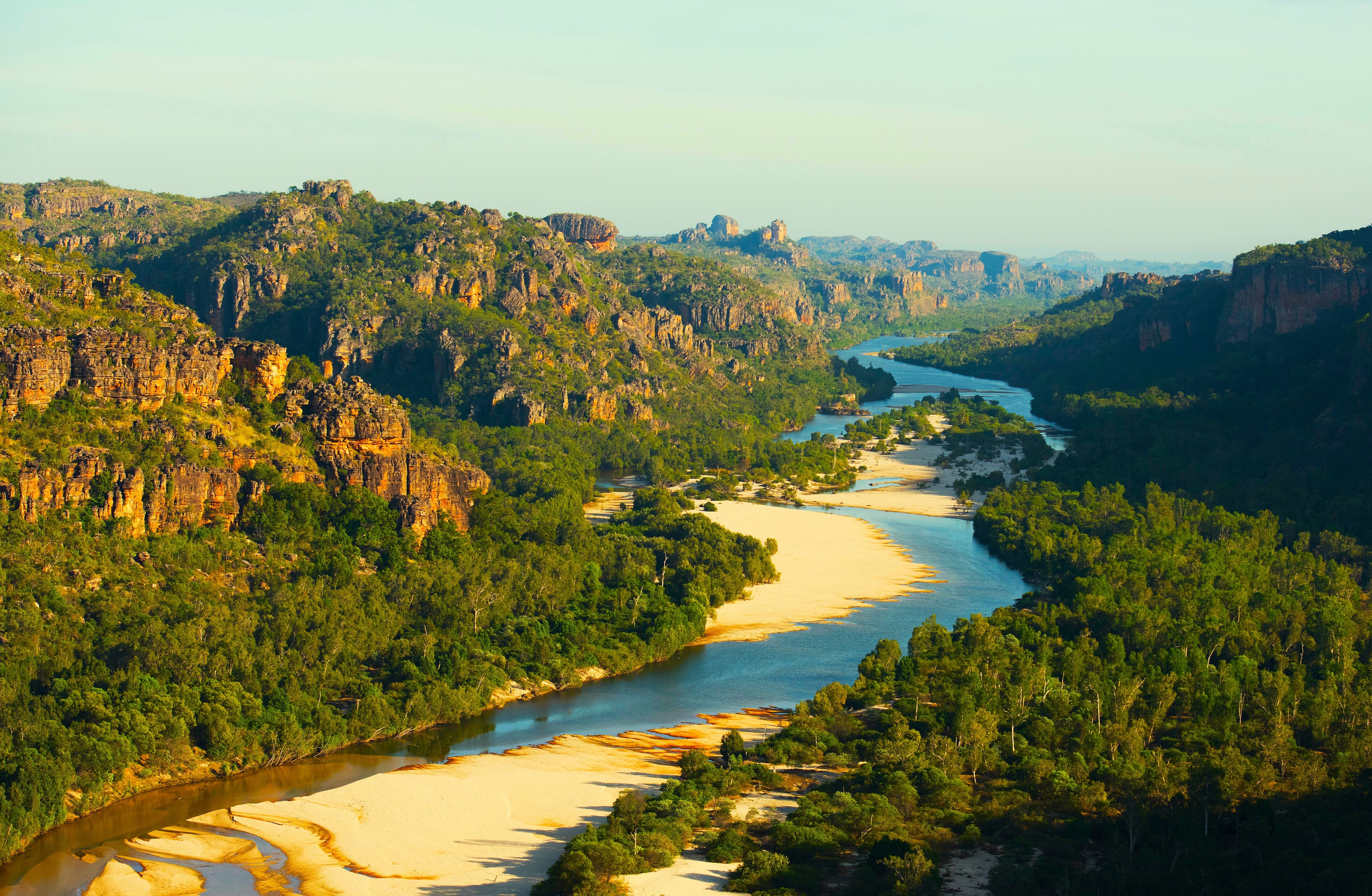
Top End & Kakadu
Around Darwin, the tropical north brings together Kakadu National Park, Arnhem Land and Litchfield. Dry season from May to October is essential: tracks are open, Jim Jim and Twin Falls waterfalls are accessible, saltwater crocodiles are clearly visible from Yellow Water cruises. The rock art sites of Ubirr and Nourlangie showcase Aboriginal paintings thousands of years old. Warm climate year-round, around 30 to 33 °C. We typically plan six to seven days on site, with a local English-speaking guide for cultural sites that only open through mediation.
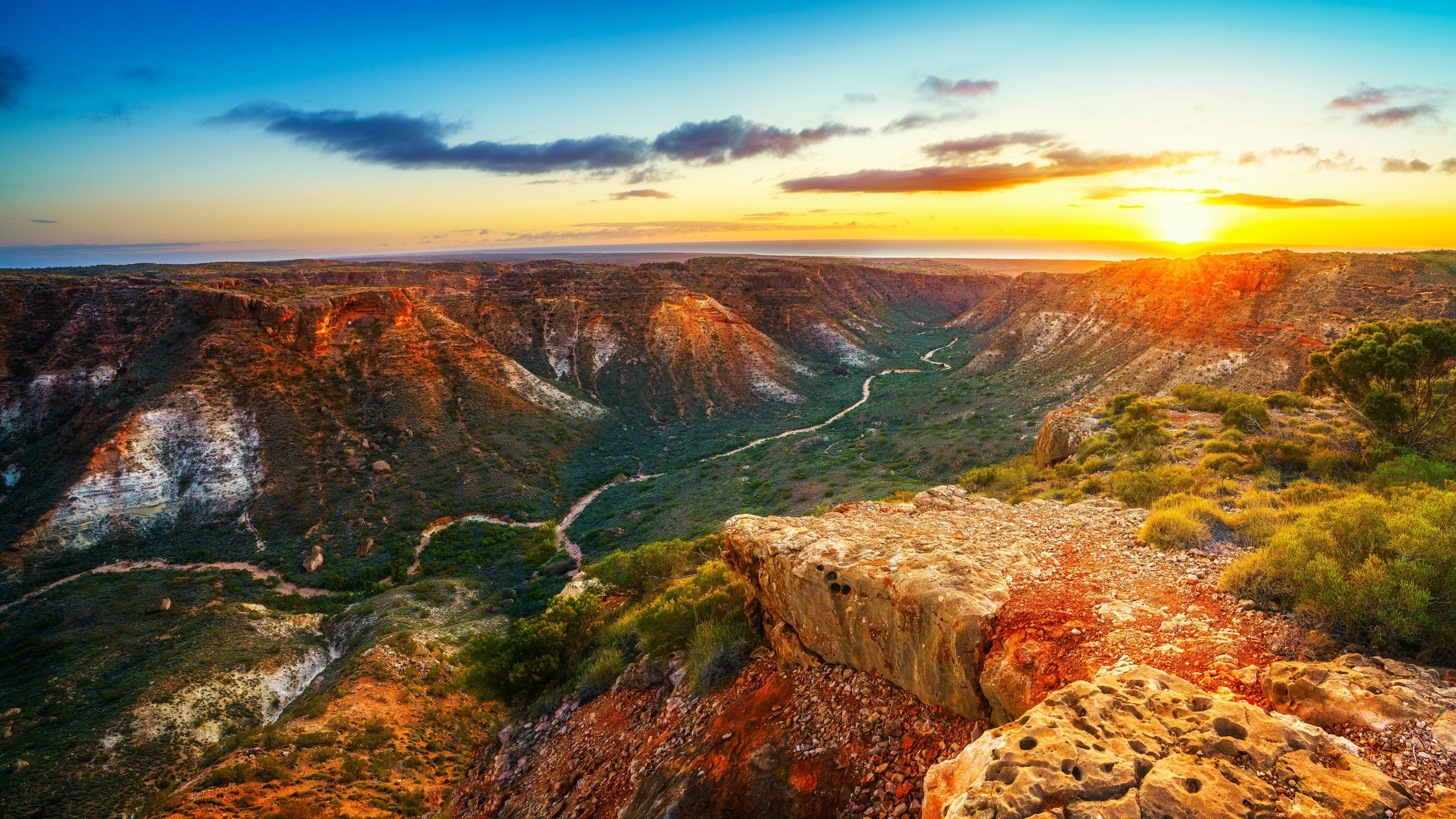
Western Australia
From Perth to Broome, Western Australia unfolds on a road trip spanning nearly 2,400 km. Ningaloo Reef, off Exmouth, offers the chance to swim with whale sharks from March to July, away from the crowds of the Great Barrier Reef. Further south, Margaret River boasts vineyards and world-class surf spots, while the Pinnacles Desert and Shark Bay—a UNESCO World Heritage site famous for its dolphins and stromatolites—dot the coastline. Karijini, inland, features spectacular gorges and natural pools. Mediterranean climate in the south, tropical in the north, ideal to visit between April and October.
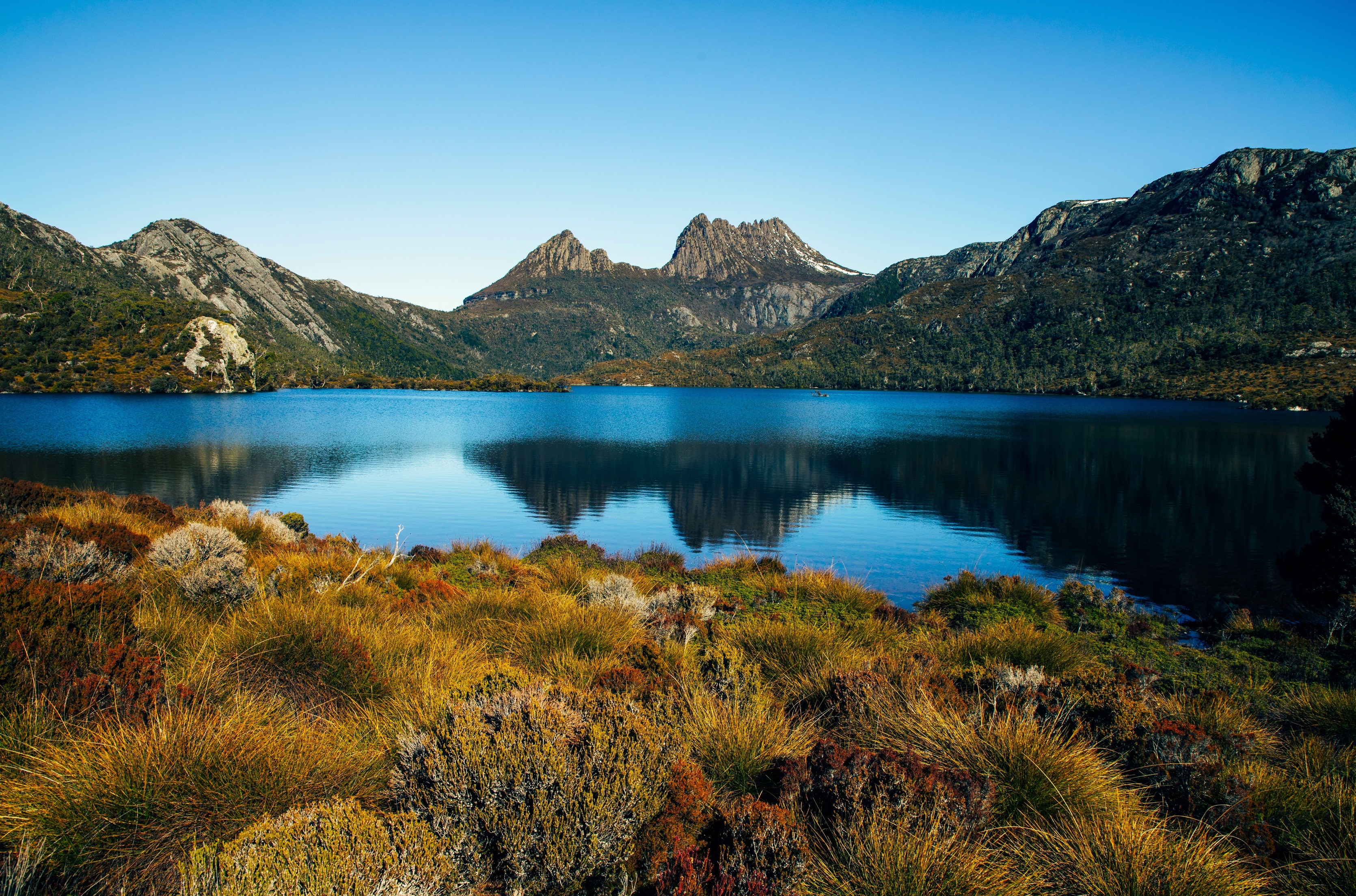
Tasmania
A temperate island south of the continent, Tasmania can be explored in eight to ten days by car. Hobart for Salamanca Market and the MONA museum, then Freycinet and Wineglass Bay, Cradle Mountain for hiking, and the Tasman Peninsula for its coastal cliffs and the penal history of Port Arthur. Nocturnal wildlife (Tasmanian devils, wombats, wallabies) is easily spotted in the parks. Cool climate: 20 to 25°C in summer (December to March), 8 to 14°C in winter. A good alternative for travellers sensitive to heat, or as an add-on to an east coast itinerary.
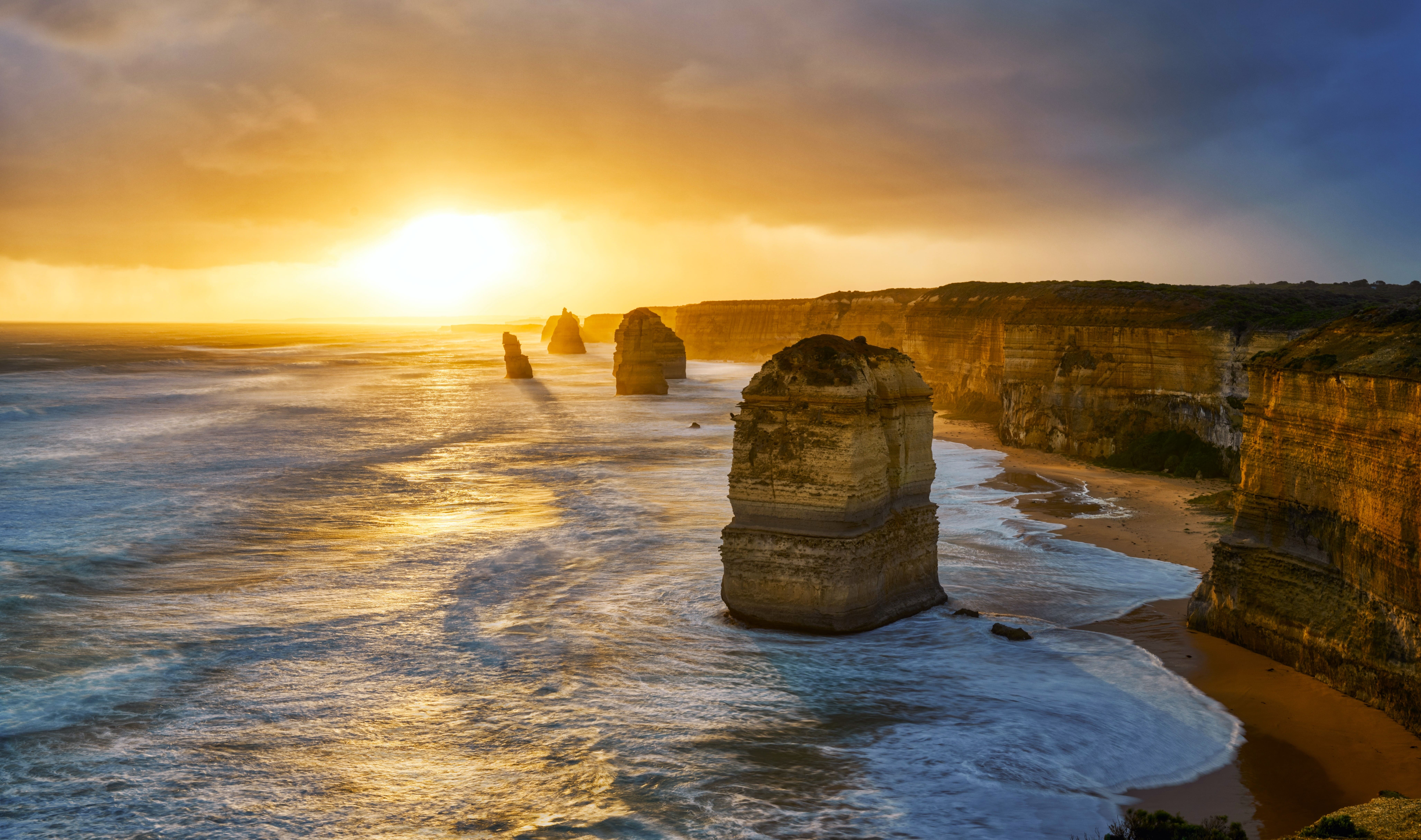
Great Ocean Road & Victoria
South of Melbourne, the Great Ocean Road opens onto 240 km of coastline between Torquay and Allansford, best explored over three days to enjoy the Twelve Apostles at dawn and the koalas of Great Otway. The Grampians region offers half-day hikes to Pinnacle Lookout. Temperate climate, sometimes unpredictable, with summers around 25°C and humid winters at 12°C. Melbourne itself deserves two to three days for its laneways, café culture and cultural scene. An ideal region to start or end an itinerary before a flight to Asia or New Zealand.
Explore by theme
Unique experiences tailored to every traveler.

Culture & Heritage
Temples, musées, sites historiques
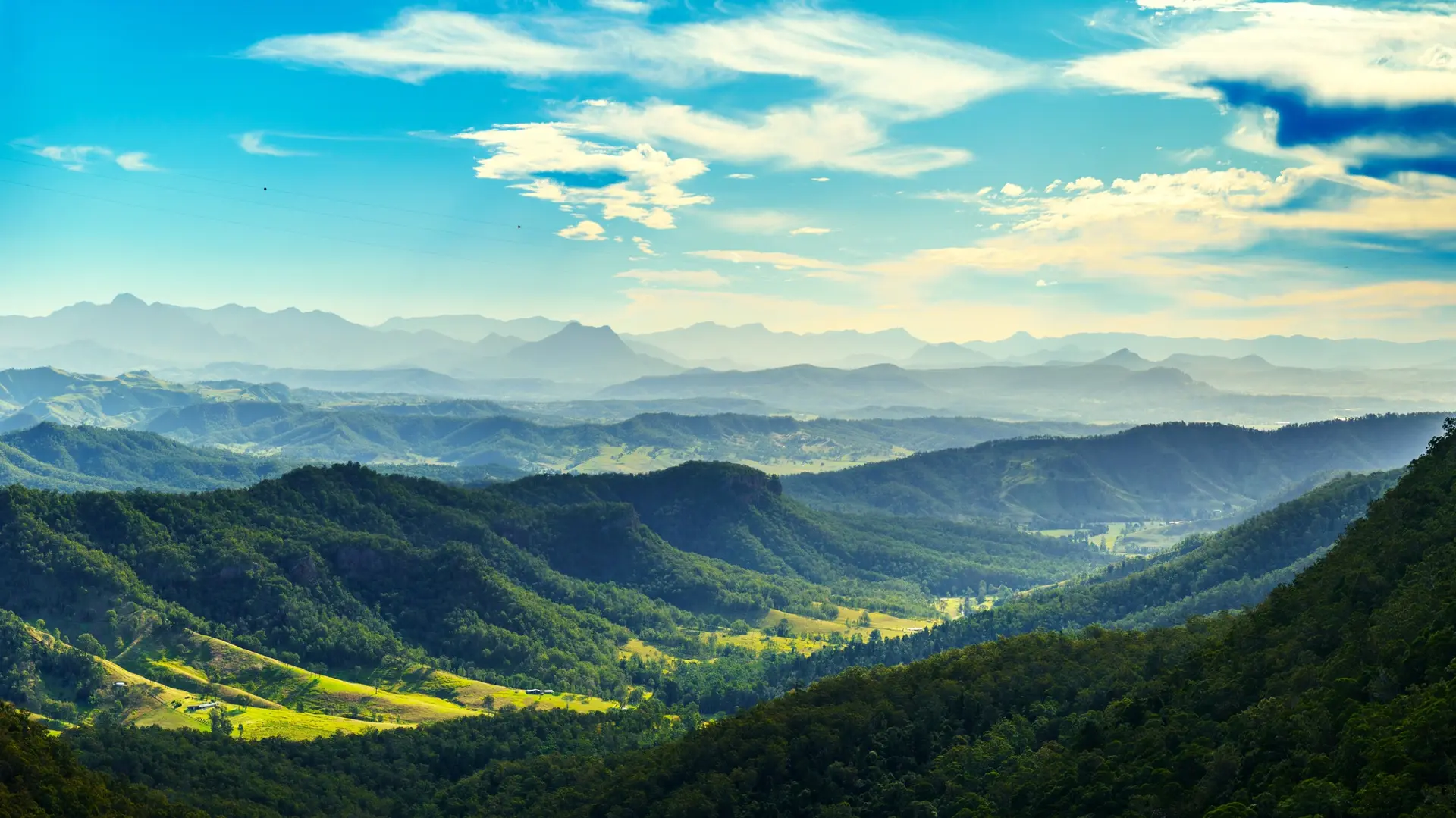
Nature & Landscapes
Parcs nationaux, montagnes, forêts
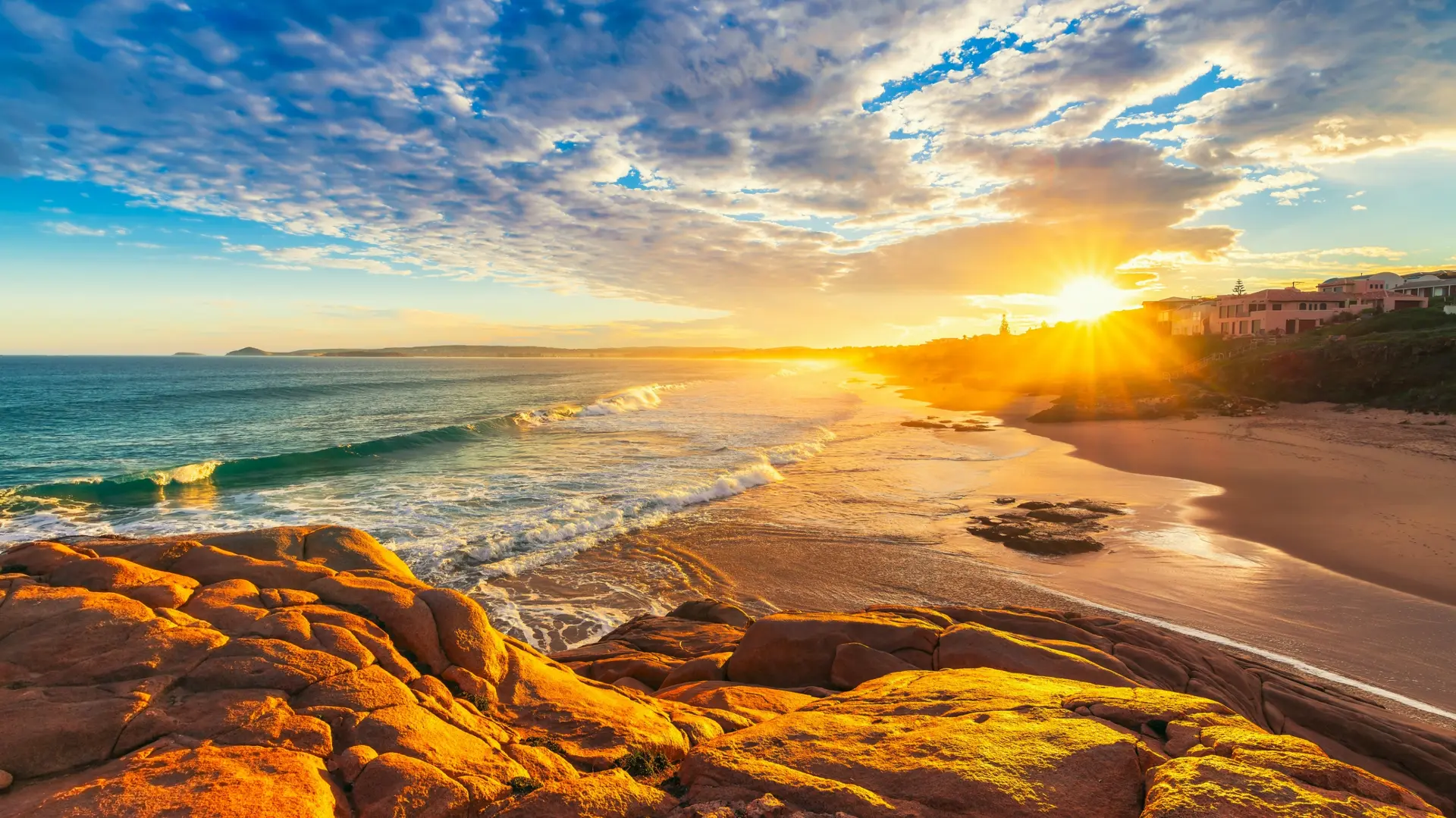
Sea & Beaches
Littoral, îles, sports nautiques

Wildlife & Biodiversity
Observation animale, sanctuaires, réserves

Gastronomy
Cuisine locale, marchés, cours de cuisine

Spirituality
Temples, méditation, retraites spirituelles
We use cookies to improve your experience and measure our site's audience. You can choose what you accept. Learn more.