From Sydney to Daintree: our dream itinerary along Australia's East Coast
Australia's East Coast offers beautiful stops along the Pacific Ocean and Coral Sea. Major cities, tropical rainforests, national parks and paradise beaches.
Australia's East Coast offers beautiful stops along the Pacific Ocean and Coral Sea. Major cities, tropical rainforests, national parks and paradise beaches: discover our example itinerary along Australia's East Coast – and the essential stops from Sydney to Daintree!
The itinerary suggested here represents more than 2,900 km of road along the coasts (not including the archipelago stop), approximately 37 hours of driving in a van or car: ● Sydney → Blue Mountains: ~100 km ● Blue Mountains → Port Stephens: ~220 km ● Port Stephens → Coffs Harbour: ~320 km ● Coffs Harbour → Brisbane: ~350 km ● Brisbane → Fraser Coast region: ~250 km ● Fraser Coast → Cairns: ~1,600 km (not including the Whitsundays excursion) ● Cairns → Daintree: ~110 km |
Sydney: the starting point for an East Coast Australia road trip!
Sydney is a cosmopolitan port city of more than 5 million inhabitants, which beautifully balances urban life and natural attractions…
Sydney Museum: located on the ruins of the original Government House, this museum tells the story of Sydney, the people and events that shaped the city. It houses historical objects (fossils, artifacts, sculptures, etc.).
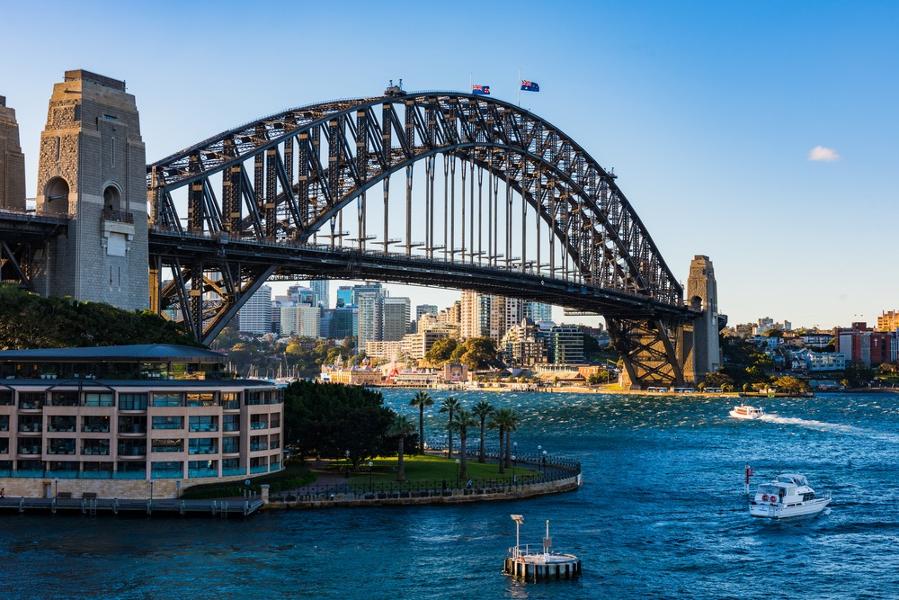
Harbour Bridge: this iconic bridge connects the two shores of Sydney Harbour. Completed in 1932, the structure rises 134 metres above sea level.
Sydney Tower: Australia's tallest tower, it offers an exceptional panorama of the surroundings and the CBD (Central business district) located beneath our feet, below the glass platform!
Bondi, Bronte and Manly beaches: renowned for its small shops and cafés, Bondi beach is ideal for surfing and swimming. Bronte beach, smaller, is considered THE barbecue beach – with dedicated spaces near the shore! Finally, Manly beach (accessible in 20 minutes by ferry from Sydney) offers a lovely expanse of sand bordered by pines and snorkelling spots.
The Rocks neighbourhood: this historic quarter (Sydney's oldest) preserves houses and shops in sandstone, from the British colonial era of the 19th century – which gave it its name.
The Zoo and Aquarium: these two wildlife centres are perfect for discovering Australia's endemic fauna! At the zoo, you can admire koalas, kangaroos and dingoes. At the aquarium? Sea lions, sharks, penguins and many tropical fish.
Blue Mountains: the inland escape
About 100 km west of Sydney, head to the Blue Mountains National Park – before continuing your road trip along the coast. Easily accessible, this mountainous area is ideal for taking a deep breath of fresh air just 1.5 hours from Australia's largest city…
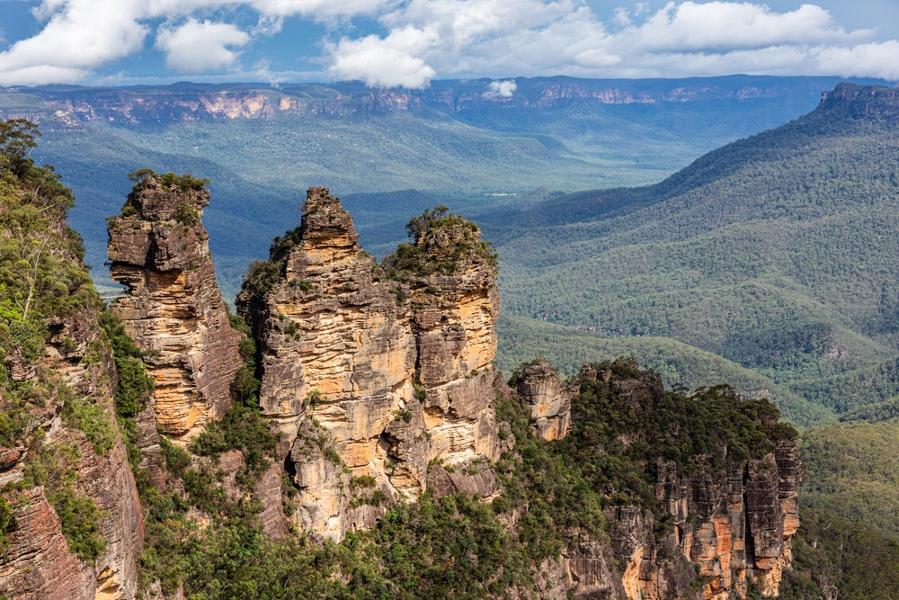
The Blue Mountains National Park: spanning 11,000 km², the park is divided into six distinct zones: Katoomba, Blackheath, Glenbrook, Lower Grose Valley, Mount Wilson and Southern Blue Mountains area. Featuring eclectic landscapes, it alternates between gorges, cliffs and woodland areas (it actually owes its name to the pretty bluish haze spread by its eucalyptus forests).
Outdoor activities: hiking, mountain biking, climbing, endemic animals: the park is a true playground for sports and nature enthusiasts. You can see Lyre birds there; the only birds capable of reproducing the sounds around them!
To make the most of the park's treasures and beauty, we recommend spending 2 or 3 days here, before resuming your coastal escape.
Port Stephens: the coastal town with 26 beaches
Port Stephens is a coastal town with 26 beaches and a wide bay. It's a standout stop on the Legendary Pacific Coast Route (an iconic 900 km road connecting Sydney to Brisbane). You can enjoy many activities here, including:
Water sports: the Port Stephens coastline is conducive to stand-up paddling, sailing and surfing, as well as snorkelling and scuba diving – with the chance to see bull sharks!
Dolphins and whales: offshore Port Stephens is known for its year-round resident dolphin population. From May to November, cruises also allow you to observe humpback whales.
Stockton Bight dunes: this sand dune massif spanning over 30 km is ideal for learning sandboarding! You can also explore the dunes in 4x4, on horseback or camel back…
Hiking: located on the lands of the Worimi people, Tomaree National Park features many hiking trails (cycling and walking) and plenty of panoramic viewpoints over the coast.
Coffs Harbour: the stop between sea and forest
Located on the north coast of New South Wales, Coffs Harbour is a beach town, surrounded by subtropical forests and banana plantations. Renowned for its varied landscapes, it attracts holidaymakers seeking nature, beaches and water activities.
Surfing: Coffs Harbour is a popular destination for surfers, regularly hosting competitions. Thanks to its powerful waves, Park Beach is one of the most sought-after spots for experienced surfers, while Jetty Beach offers an ideal setting for beginners.
The Forest Sky Pier: this 21-metre-long metal walkway, perched 310 metres high, offers breathtaking views of Coffs Harbour and its coastline! You can get there by car (15 minutes) or on foot (about 2 hours). Access is free.
Muttonbird Island: this island is a nesting place for the Wedge-tailed Shearwater, a migratory bird that can be observed on the island, particularly between August and April. You can access it by bus (line 365) or by boat (as part of a guided tour).
Byron Bay: the chill and cultural destination
A former agricultural and mining centre, Byron Bay experienced a turning point in the 1960s-70s, becoming a hotspot of counterculture. Today, the town is recognised for its surf spots and laid-back atmosphere – at the town entrance, a welcome sign sets the tone: "Cheer up, slow down, Chill out"!
Its coastline: Main Beach, Wategos Beach, Tallow Beach are three iconic Byron Bay beaches, ideal for swimming, lazing about or surfing. Surfers will find their haven on The Pass. As the day winds down, the main beach comes alive in a warm atmosphere, with capoeira or yoga classes.
Water activities: beyond surfing, Byron Bay is also a perfect spot for sea kayaking and scuba diving. The Julian Rocks site, in particular, is highly prized by snorkelling enthusiasts – you can notably observe rays and turtles there.
Cape Byron State Conservation Area: this coastal park offers exceptional ocean views. From June to November, it's not uncommon to see humpback whales! The site is also renowned for its hiking trails. One of the most popular? Cape Byron Walking Track! This walking loop, along the cliffs, crosses the lands of the Bundjalung Aboriginal tribe, all the way to Cape Byron Lighthouse.
Gold Coast: the active and immersive stop
Gold Coast is a beach region highly prized for its long white sand beaches, Aboriginal culture and wild nature. Inland, it offers more mountainous and wooded terrain, perfect for long walks…
Beenleigh Historical Village: in the heart of this "open-air museum", don't miss Spirits of the Red Sand, an immersive experience in Aboriginal history through traditional stories, songs and dances.
Lamington National Park: listed as a UNESCO World Heritage site, the park features dense forests, caves and waterfalls, home to abundant wildlife. You can, among other things, observe the "Regent Gardener", an endemic bird with striking black and yellow plumage!
World-renowned surf spots: Gold Coast also has many surfing spots. Among the most renowned? Burleigh Heads (prized for its point break), Snapper Rocks (with its perfect waves) and Currumbin Alley (ideal for beginner surfers).
Brisbane: the country's 3rd largest city
On an East Coast Australia trip, don't hesitate to venture inland towards Brisbane. The country's third-largest city, with over 1.2 million inhabitants, appeals through its vibe, dynamism and cultural richness. Among its must-sees:
Brisbane River and the Lone Pine Koala Sanctuary: the river runs through the city and can be explored by cruise. Heading upstream, you also reach the Lone Pine Koala Sanctuary. Opened in 1927, this sanctuary is the world's largest koala reserve!
Fortitude Valley: this multicultural and trendy neighbourhood houses Brisbane's Chinatown, as well as concert halls, small art galleries, vintage shops, etc. THE ideal neighbourhood for shopping and going out at night.
Mount Coot-tha: just minutes from the centre, don't miss this iconic peak. At 287 metres high, it offers a 360° panorama over Brisbane and its surroundings.
The Brisbane Powerhouse: this former power station is now a hub of the local art scene. The building hosts concerts, exhibitions and performances, in an industrial setting by the riverside.
Fraser Coast: THE place to see whales in Australia
The Fraser Coast region is a fairly recent administrative area, which includes several emblematic spots on Australia's East Coast.
K'gari: formerly known as Fraser Island, the island – which today bears its Aboriginal name – is listed as a UNESCO World Heritage site, as it is the world's largest sand island!
Spanning 1,840 km², it features lush forests (made up of palm trees, ferns and eucalyptus), lakes and 230 bird species.Hervey Bay: the bay is THE place to observe humpback whales, from late July to early November during their migration. You can also see dolphins there.
The Whitsundays: or the boat escape
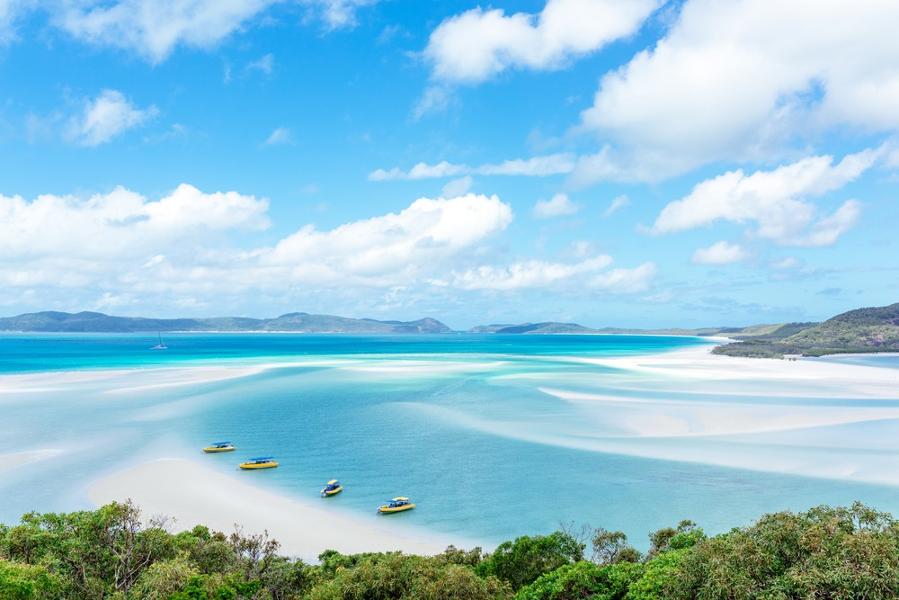
Located halfway between Fraser Coast and Cairns, Airlie Beach deserves a stop – before beginning the final leg of the road trip along Australia's East Coast... Why? This small coastal town is the main departure point for the Whitsundays archipelago, located approximately 55 km offshore from the mainland.
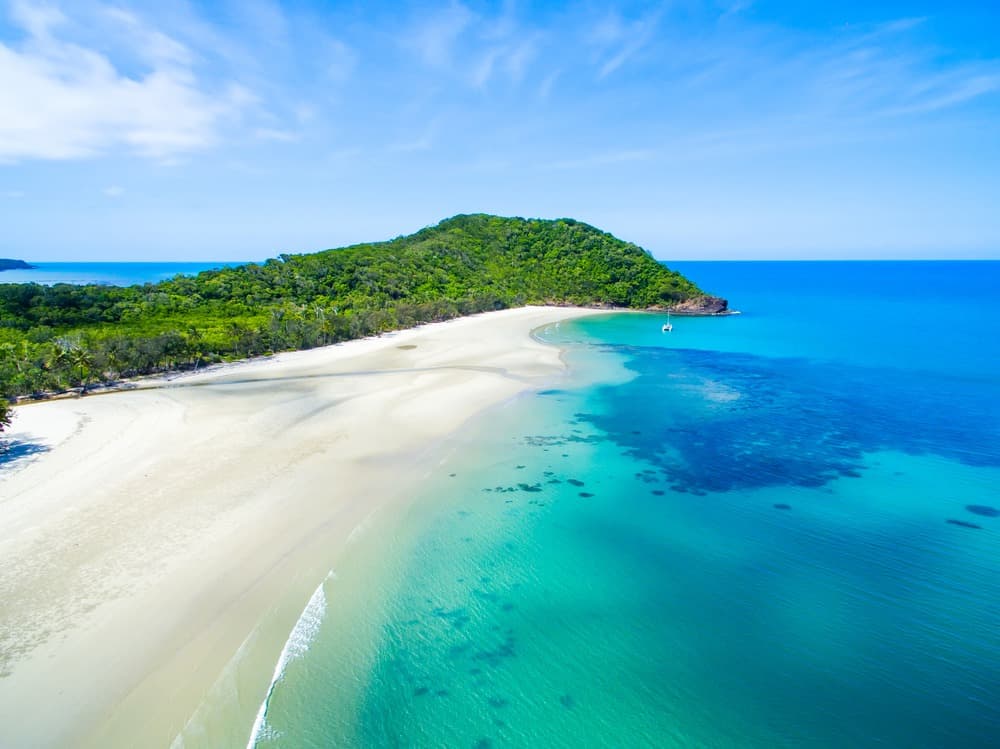
Whitsunday Island: the archipelago's main island is known for Whitehaven Beach (considered one of the world's most beautiful beaches) with its 7 km of white sand and crystal-clear waters.
The seabed: due to its proximity to the Great Barrier Reef, the archipelago is home to superb reefs, perfect for scuba diving or snorkelling.
To make the most of the archipelago, two days on site are recommended, three ideally.
Cairns: the gateway to the Barrier Reef
Located on Queensland's north-east coast, Cairns is a medium-sized city, considered one of the main gateways to the Great Barrier.
Its artificial lagoon: set up in the city centre, the lagoon is highly popular with locals. Its banks, equipped with benches, tables and barbecues, provide an ideal setting for spending time with family or friends.
The Great Barrier Reef: with 400 coral species, 1,500 fish species and 4,000 mollusc species, this exceptional ecosystem (UNESCO-listed) is a true paradise for both scuba divers and snorkellers.
Kuranda village: located 25 km from Cairns, this village is surrounded by spectacular tropical rainforest. You can reach it directly from Cairns via the Skyrail Rainforest Cableway cable car, which glides over the canopy!
Daintree: in the heart of the rainforest
Daintree is a locality of around a hundred inhabitants, located 1 hour 35 minutes drive north of Cairns. It's a destination prized for its cruises on the Daintree River and its famous Daintree National Park.
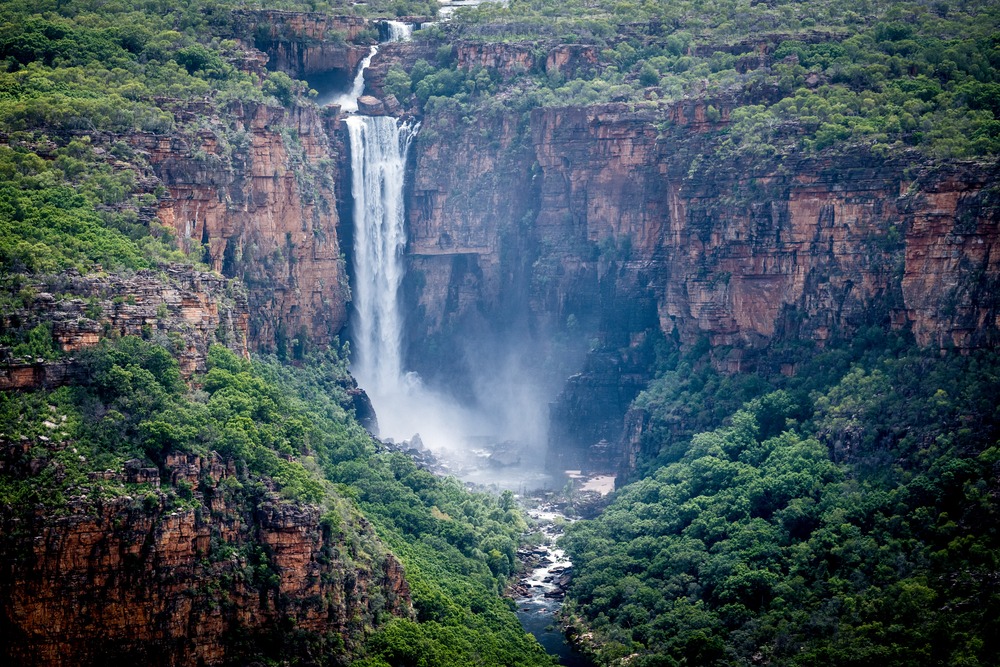
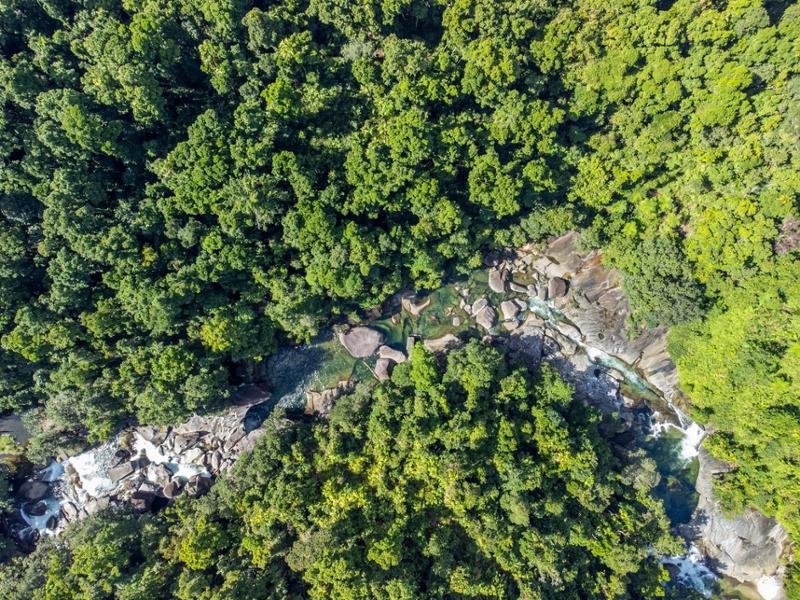
Daintree Rainforest: this tropical forest spans approximately 1,200 km² and is part of the Wet Tropics of Queensland, a wetland area listed by UNESCO. In the heart of this verdant territory – which reaches 80% humidity during the rainy season – live many animals, including Cassowaries (a large atypical bird whose plumage resembles hair!) and Opossums.
Cruises on the Daintree River also allow you to see crocodiles…The Kuku Yalanji Aboriginal tribe: this indigenous tribe has lived in the region for millennia. Guided tours allow you to meet them and discover their culture.
When to take a road trip along Australia's East Coast?
Located in the southern hemisphere, Australie has southern hemisphere seasons. Summer runs from December to March and winter from June to September. The country has three main climate types, which vary depending on geographical areas.
Temperate climate: rather present in the south, with warm summers and mild winters,
Subtropical climate: with warm, humid summers and mild winters, typical of the central East Coast,
Tropical climate: with a wet season and a dry season (cooler), characteristic of the country's north.
A trip along the East Coast therefore does not present the same weather conditions over the same period, depending on coastal areas:
In the south: around Sydney, the climate is moderate, with mild weather and particularly pleasant conditions from September to November, then from March to May.
In the middle of the East Coast: around Brisbane and Byron Bay, in the subtropical heart of the coast, the climate is warm and sunny most of the year, especially in spring and autumn.
In the north: around Cairns, in the tropical zone, the best period is between May and October.
Our take: 3 weeks is a reasonable timeframe to complete all these stops (Whitsundays archipelago included), but 4 weeks offer a more comfortable road trip (without rushing).
FAQ-
How long does it take to travel Australia's East Coast?
The duration of a road trip along Australia's East Coast depends on your itinerary. For a Sydney-Brisbane-Cairns route, the journey spans 2,620 km (28 hours of driving) and requires 3-4 weeks of travel. If your trip starts in Melbourne, further south on the coast, plan for 4-5 weeks to cover the 3,558 km (41 hours) connecting Melbourne-Eden-Sydney-Brisbane-Cairns.
Should you choose Australia's East or West Coast?
The East Coast is often chosen on a first trip to Australie, as it concentrates iconic spots and offers good tourist infrastructure. For its part, the West Coast attracts rather nature lovers, with wild and less-frequented coastline… In short? The East Coast suits travellers wishing to discover Australia's great classics, while the West Coast appeals more to lovers of wide open spaces, preferring to venture off the beaten path.