When to Visit Australia: Our Guide to Choosing the Best Time
The Australian continent is a vast territory with contrasting topography—featuring oceanic, mountainous and desert zones, as well as humid tropical and temperate regions.
The Australian continent is a vast territory with contrasting topography—featuring oceanic zones, mountainous and desert regions, as well as humid tropical and temperate areas. Due to this great diversity, it's essential to understand the different climates and the southern hemisphere seasons to know when to visit Australia. Discover our advice and determine which best time suits you!
What is the climate in Australia by season?
Divided into two hemispheres, Earth experiences seasonal cycles that reverse depending on latitude. Thus, in the southern hemisphere, the Australian seasons are the exact opposite of those observed in Europe (situated in the northern hemisphere). The result? Australian summer begins in December and winter in June!
To help you choose the best time to visit Australia, here's a summary of the seasons and main activities for each period.
Season | Period | Climate overview (across the country) | Seasonal highlights | To know |
Summer | Dec to Feb | Between 20 and 37 °C North more humid and hot (with rainfall) Intense heat in the arid Outback region. | Southern beaches Wine regions Tropical forests Western territories | Summer is a very popular tourist season, particularly around beach resorts in the southern part of the country (where many Australians take vacations) |
Autumn | March to May | Between 17 and 35 °C Coastal regions cooler | The Outback region Red Centre interior Hiking in the North The city of Brisbane Great Ocean Road | Fewer tourists than in summer |
Winter | June to August | Between 11°C (South) and 30°C (North) | Visit northern and central regions Queensland National parks Arid zones (Outback, Uluru) | South not recommended this season |
Spring | Sept to Nov | Between 17 and 35 °C depending on region (cooler temperatures on coastal areas). | Observe fauna and flora See whales Visit national parks Visit major cities (Sydney, Melbourne, Canberra, etc.) | Ideal season to visit the entire country |
What is the best time to visit Australia?
By region
South-East
South-Eastern Australie enjoys a subtropical climate, with warm summers, mild winters and moderate rainfall (except for a slight peak in summer).
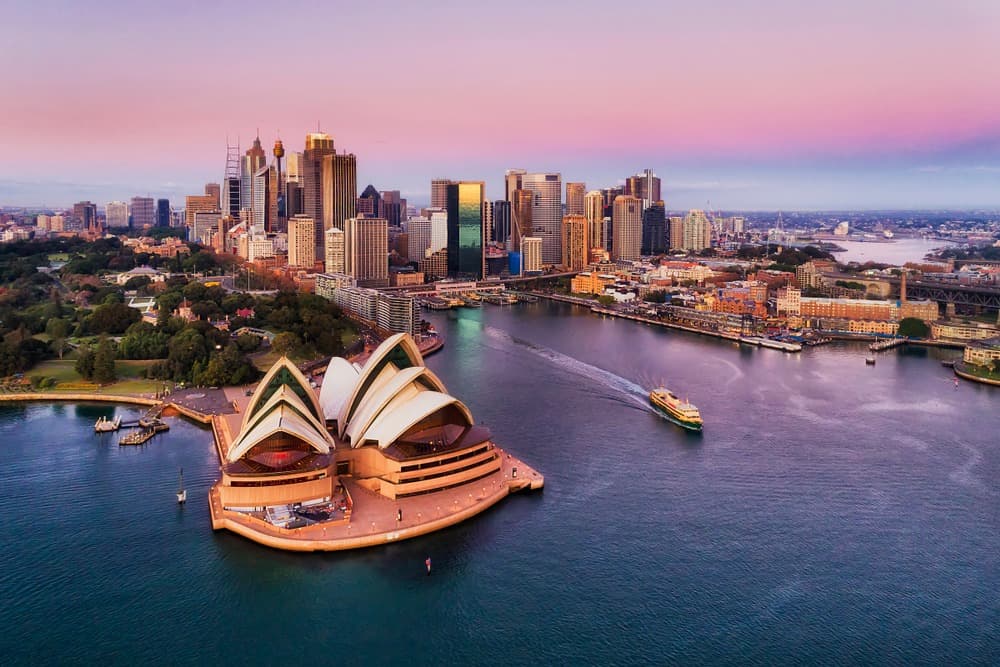
Sydney : with pleasant temperatures and fewer crowds than in summer, spring is ideal for discovering the city. It's also a great time for coastal walks, such as the famous Bondi to Coogee Walk.
Melbourne : between November and March, enjoy sunny days to stroll through parks and experience the city's lively beaches, such as St Kilda and Brighton Beach.
Canberra : in spring, explore flowering gardens and join the Floriade Festival, held on the shores of Lake Burley Griffin. In autumn, don't miss the Canberra Balloon Spectacular hot-air balloon festival!
Great Ocean Road : from November to March, take full advantage of the mild climate (and the calm before peak tourist season) to discover the beauty of this spectacular coastal drive…
Red Centre
Located in the heart of the Northern Territory, the Red Centre is an unmissable region of Australie, notably home to Uluru-Kata Tjuta National Park, a UNESCO World Heritage site. The centre is marked by two seasons…
The dry season (May to October) with warm days (20-30°C) - this is the peak tourist period. The wet season, November to April, can be marked by flooding and is therefore not recommended. Among the emblematic spots and activities:
Alice Springs : the city is the gateway to the arid Outback region and is full of hiking trails. You can also take a camel ride or enjoy a hot-air balloon flight at sunrise!
Uluru : this sacred site also features numerous trails that reveal the unique geology of the place (and aboriginal culture).
Kings Canyon : don't miss the emblematic Kings Canyon Rim Walk or the natural oasis Garden of Eden and Lost City, renowned for its stunning rock formations…
Tropical North
The tropical north of Australie experiences hot, humid summers as well as heavy rains in winter - accompanied by high humidity and occasional storms. Between November and May, the region may also be affected by tropical cyclones.
Darwin : from May to September, the capital of the Northern Territory enjoys beautiful sunny days and pleasant temperatures. This is also festival season, including the renowned Darwin Festival, held every August. The city is also home to the Darwin Military Museum, commemorating WWII bombing victims. The must-do? A cruise to see crocodiles!
Kakadu : this national park features aboriginal rock art galleries and splendid waterfalls, such as Jim Jim Falls. You can also do a safari to observe buffalo, giant geckos, birds and over 2,000 plant species!
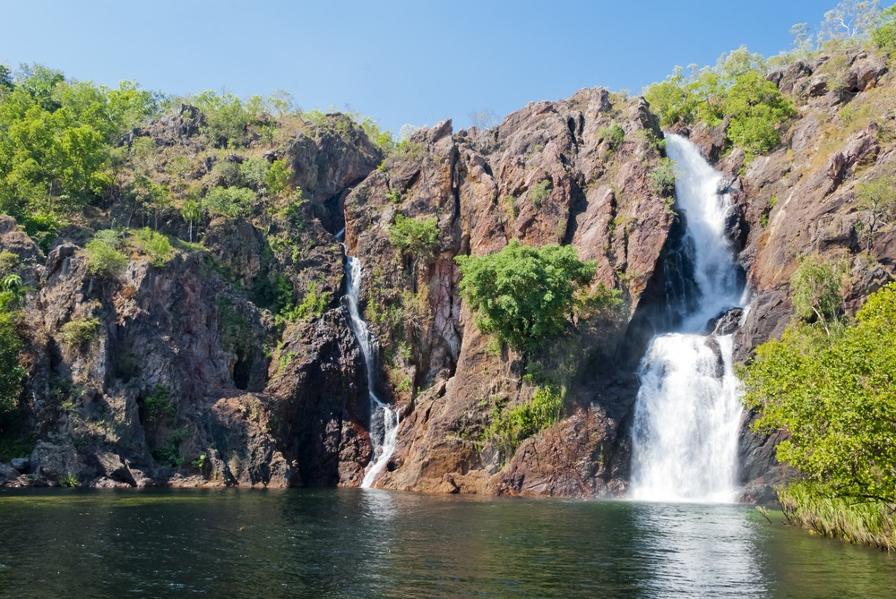
Litchfield : to fully enjoy the natural attractions and waterfalls (such as Wangi Falls and Florence Falls, or the cascading basin series at Buley Rockhole), choose the dry season between May and September. Note that you can also observe many endemic species in the Litchfield National Park.
North-East
North-Eastern Australie benefits from a tropical climate with a dry season (May to September) and a wet season (December to March) marked by intense rainfall and cyclones. The dry season is the best time to explore this UNESCO-listed region (thanks to the Great Barrier Reef and Wet Tropics of Queensland - a wetland recognized for its unique biodiversity and ancient forests).
Cairns : to enjoy the markets, small bars and outdoor activities of this part of the country, choose the dry season.
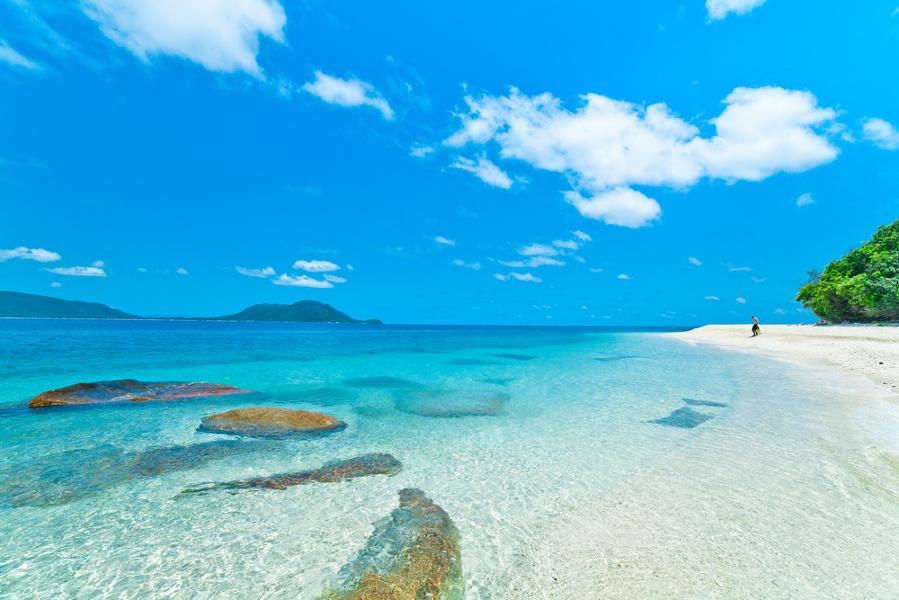
Great Barrier Reef : the best time to discover this 2,300 km natural wonder (by scuba diving or snorkeling) is May-September. Conversely, avoid the period between January and April, marked by heavy rains and cyclone risks. You can admire tropical fish, turtles and rays, among others.
Daintree : in addition to experiencing the beauty of this ancient 180-million-year-old rainforest, this part of the country is also marked by Kuku Yalanji culture. Guided excursions are organized by aboriginals, departing from the Mossman Gorge Centre.
East Coast
The east coast of Australie (the most populated in the country) enjoys a temperate climate with mild temperatures year-round (averaging around 20°C and heat waves in summer). This part of the country is among the most touristy. It blends wild coasts, paradise beaches and iconic major cities!
Brisbane : with a humid subtropical climate, Queensland's capital is an attractive city year-round. Nature-wise, don't miss South Bank Parklands - a neighborhood along the Brisbane River, dotted with small bars and featuring a beautiful artificial lagoon. The city also has many green spaces, including Rocks Riverside Park, City Botanic Gardens and Roma Street Parkland. Culture-wise, the city hosts numerous historic monuments. Among its must-sees? The Old Government or Saint John's Cathedral.
Byron Bay : located in Byron County, this town benefits from an average temperature of 27°C in summer. Known for its environmental commitments, this part of the country features stunning wild spots and paradise beaches. You can surf, longboard, snorkel and kayak here. From June to October, don't miss whale migration!
Sunshine Coast : stretching across about 60 kilometers, this coastal region is renowned for its lush forests, picturesque coastline and dunes. Designated a UNESCO Biosphere Reserve, Sunshine Coast is also popular for its beaches and hiking trails (particularly within Noosa National Park, where you can see koalas on Mount Coolum slopes).
Western Australie (Perth, Kimberley, Ningaloo)
Extending over 4,000 kilometers, the West Australian coast is renowned for the beauty and diversity of its shoreline. The ideal time to visit is the dry season, from April to September.
Perth : known as one of Australie's sunniest cities, Perth can reach 35°C in summer. This summer climate is ideal for enjoying white-sand beaches, diving and surfing. In the evening, head to Northbridge - a neighborhood renowned for its nightlife and cultural venues, such as The Art Gallery of Western Australia! Conversely, if you want to escape the crowds, visit Rottnest Island (a small island off the coast, about 1 hour by ferry).
Kimberley : wild and pristine, this Australian region is one of the least populated (with only 40,000 residents, including a large aboriginal population). It features many millennia-old rock art galleries. The wet season (October to March) is renowned for further enhancing the landscapes of this remote region.
Ningaloo reef : listed as a UNESCO site, this coastal zone offers numerous water activities. The must-do? Explore the coral reef… and dive with whale sharks, from May to July! The rest of the year, Ningaloo boasts other natural wonders, with sea turtle hatchings (November to February) and the arrival of manta rays (May to November).
Tasmania Island
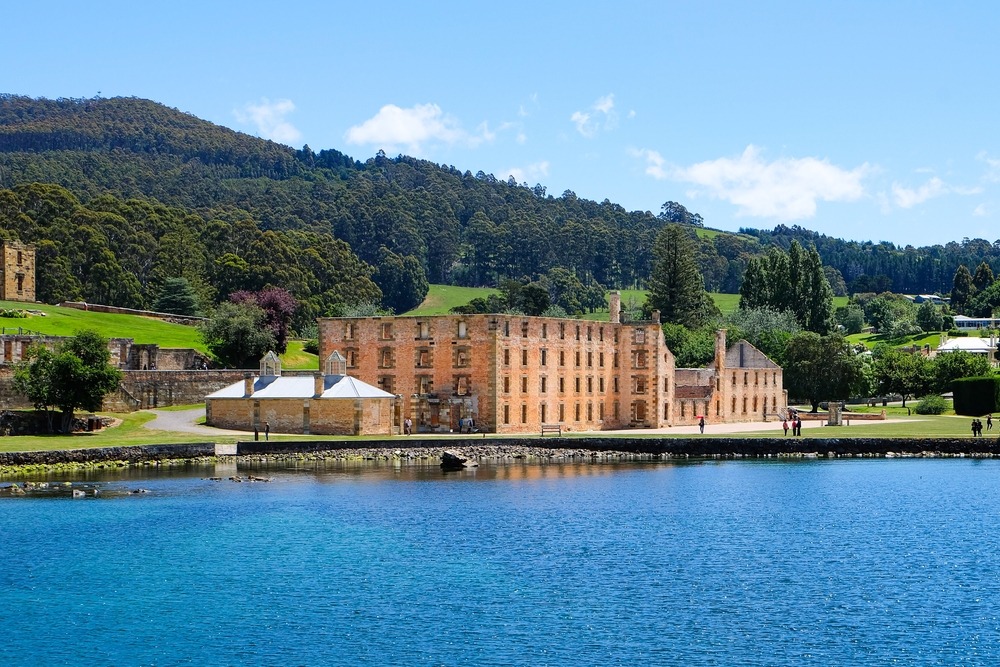
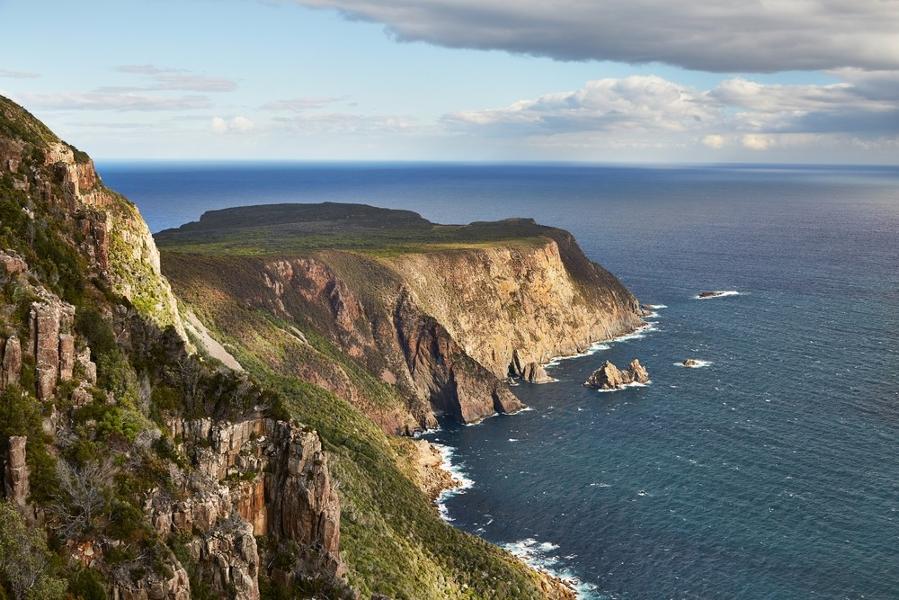
Off the coast of Victoria (located in the south-east of the country), discover this 68,401 km² island. Renowned for its beaches, rugged landscapes and wild regions: the island also hosts numerous parks and reserves, ideal for hiking and trekking.
With an oceanic temperate climate, Tasmania experiences quite mild temperatures, but also regular rainfall in all seasons. If you want to fully enjoy outdoor activities, choose summer (December-February). For a trip away from the crowds, opt for spring instead. Among the must-see sites, don't miss:
Bay of Fires : this bay, discovered in 1773, owes its name to the reddish color of its rocks, whose fiery hue offers stunning contrasts with the crystal-clear waters of the Tasman Sea!
The city of Hobart and its MONA underground museum : Tasmania's capital is home to Australia's most incredible museum. Beyond being built into rock, the Museum of Old and New Art showcases contemporary art with bold exhibitions and performances. An example? MONA has exhibited multiple times Tim, a living work by Wim Delvoye, represented by Tim Steiner: a tattooed man who literally sold his tattooed body to a German collector…
Mount Field National Park : located 60 kilometers from Hobart, this natural site features exceptional fauna and flora, as well as beautiful waterfalls such as Russell Falls. Perfect for hiking and discovering wild Australian landscapes.
Freycinet National Park : on Tasmania's east coast, this park features eclectic landscapes. Rock formations, postcard-perfect beaches, hiking trails: the site offers beautiful walks along the coastline!
By activity
Whale watching
Every year, whales migrate off Australian coasts between June and October. During this period, cetaceans can be spotted in several regions.
Hervey Bay (Queensland) : nicknamed the world's whale watching capital," this part of the country offers great viewing spots, particularly between July and November, when you can also see whale calves.
Ningaloo Reef (Western Australie) : this World Heritage site allows you to see humpback whales, as well as whale sharks during the period between July and November.
South Coast of Western Australie (Outback) : from June to October, Esperance bays welcome whales and their calves.
Albany : at the same time, it's possible to see rorquals and southern right whales (also called Australian right whales).
Perth : whales migrate near the city from September to November (particularly in Augusta and Flinders bays). Blue whales can also be spotted between March and May).
North-West (Kimberley) : Lalang-garram Marine Park is considered one of the southern hemisphere's largest humpback whale nurseries. The site is accessible by cruise from July to September.
Swimming
Australie is an ideal "beach destination" in all seasons, with optimal conditions between December and May. But THE best time to swim is different depending on the regions and their climates.
Centre-West : the best period for enjoying beaches runs from December to April. The sea reaches 25-26 °C and air temperatures hover around 30 °C. Be careful, summer is also marked by a strong presence of jellyfish! In winter, water temperature is about 21°C. Must-see beaches include Cable Beach in Broome, Turquoise Bay and Cottesloe Beach.
Centre-East : this region enjoys a subtropical climate that offers pleasant weather year-round, with water temperatures between 20 °C and 26 °C depending on the season. Summer (December-February) remains the most pleasant period for swimming. The most popular spots are: Gold Coast, Byron Bay, Sunshine Coast and Bondi Beach.
South : this part of Australie enjoys the country's most temperate climate. The best time to swim is January to March, although temperatures are cooler than elsewhere - about 18°C for water and 20 °C for air. Emblematic beaches: Kangaroo Island, Eyre Peninsula and Dolphin Beach in Innes National Park, lined with wild beaches.
North : this part of the country is least suited for swimming. Very wild, the north-east is better suited for nature walks. It's still possible to swim between June and September, when air temperatures hover around 25-28 °C (but with cooler water temperatures, around 22 °C). Iconic spots: Mindil Beach and Casuarina Beach. Be aware, these sites are known for their large number of jellyfish.
Explore the Great Barrier Reef (diving)
If you plan to scuba dive or snorkel on the Great Barrier Reef, choose the period between April and November to enjoy the best weather conditions.
This magnificent 2,300 km site has been a UNESCO World Heritage site since 1981! It hosts rich biodiversity, including 400 coral species, 1,500 types of tropical fish, sea turtles, reptiles, etc.
Surfing
Since the early 20th century, surfing has been a widespread activity in Australie. And for good reason, the waves here are considered the best in the world!
The ideal season for this sport is Australian summer (December-February). But again, this depends on the regions, with surfing spots varying in difficulty depending on the coastlines and reefs.
For the east coast, choose the period between September and April. For the west coast, opt instead for March-October.
Be careful, if you're not used to surfing big waves, Australie isn't the best destination to learn this sport. For safety reasons, you should be skilled in the discipline.
Hiking
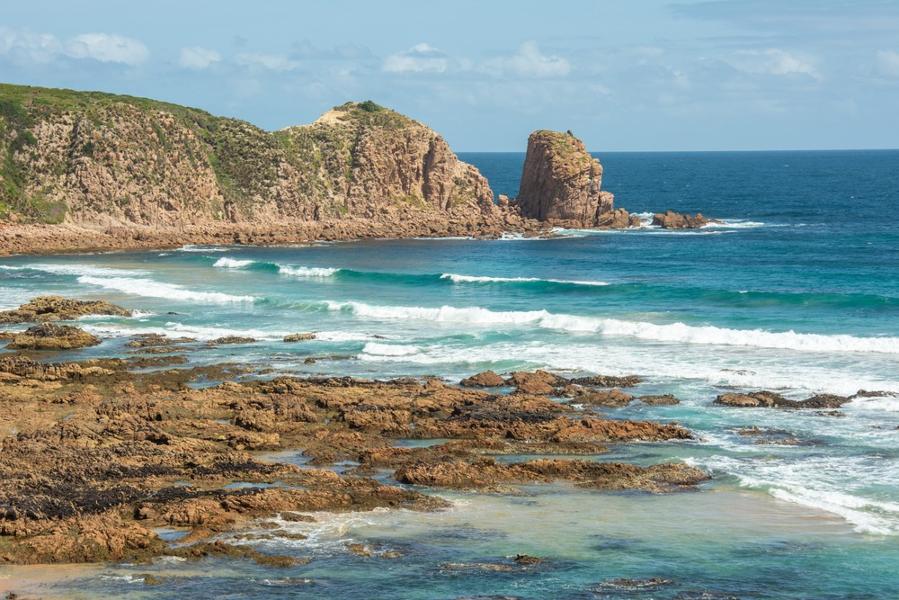
If you want to hike in Australie, the two best seasons are spring and autumn. During these two periods, the climate offers ideal conditions for exploring wild Australian regions, while avoiding summer's intense heat! Among the must-see hiking sites? Note Karijini National Park, as well as the Grampians and MacDonnell ranges mountain chains.
By budget
Since flights to Australie are quite rare departing from France, airfare prices vary little, regardless of travel period - between 1000 and 1200 €/person. Nevertheless, savings of about 15-20% on airfare are noted during Australian winter (low season). However, once there, prices are generally lower in autumn and spring.
When to Visit Australie: Summary!
There is no single best time to visit Australie: it all depends on the weather conditions of each season (southern hemisphere), as well as planned activities and regions visited. Indeed, climate varies from region to region. It's therefore important to carefully check seasonal weather conditions and temperatures to know which parts of the country to visit based on your planned itinerary.
Frequently asked questions
When should I go to Australie for a working holiday visa?
The ideal period for a Working Holiday Visa (WHV) in Australie is spring. At this time, employers start recruiting seasonal staff (particularly in hospitality, tourism and construction sectors) and building their workforce before peak season begins.
What is the cheapest time to visit Australie?
Australian winter (June-August) corresponds to the low tourist season. It's therefore the most affordable period, due to lower demand. Airfares, restaurants and accommodations are then cheaper. However, even in low season, it's advisable to book your tickets at least 5 months in advance to get the best deals!
What is the rainy season in Australie?
The rainy season in Australie occurs mainly in the tropical north, from November to April. This period, called wet season, is extremely humid (up to 80% humidity). At the same time, the rest of the country is less affected by rainfall. During this season, some Top End attractions (or ferry crossings) may be closed.