Plane, Train, Road-Trip: How to Travel the Distance from Sydney to Melbourne?
Planning to visit Sydney and Melbourne? Great idea—both metropolises offer a different experience within a single journey!
Planning to visit Sydney and Melbourne? Great idea—both metropolises offer a different experience within a single journey! Discover which modes of transport connect the two cities—as well as three iconic routes, should you decide to hit the road to explore Australia's East Coast or the hinterland by road-trip...
Overview of Sydney and Melbourne
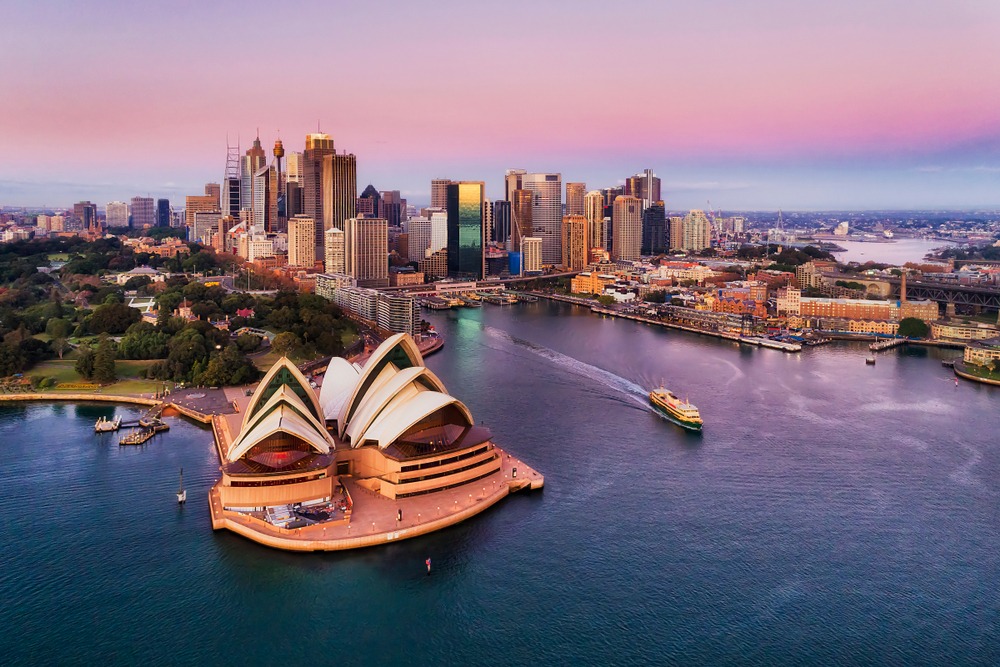
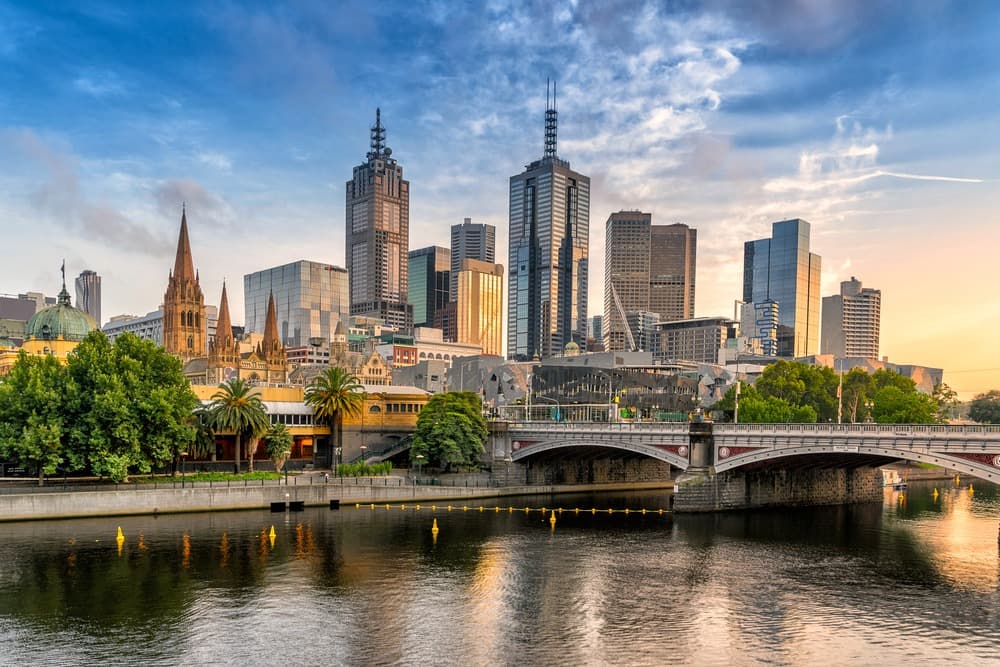
Before discussing the different ways to travel between Sydney and Melbourne, a brief stop in both cities is worthwhile to discover what they offer—and why visiting both during an Australie trip makes sense!
City | Sydney | Melbourne |
Atmosphere | Relaxed, ideal for outdoor activities. | Urban and creative, perfect for cultural exploration. |
Main attractions | Opera House, Harbour Bridge, Circular Quay, iconic beaches (Bondi, Manly), bay ferries, Blue Mountains, Hunter Valley. | Federation Square, Queen Victoria Market, street-art districts, art galleries, museums, cafés, Yarra River. |
Activities | Surfing, swimming, walks, hiking, cruises, beaches close to the city center. Gastronomy (seafood restaurants, local wines, etc.). | Hidden bars, markets, exhibitions, rooftops, nightlife. |
Climate | Sunny, pleasant almost year-round. | Changeable climate, cooler and more humid. |
Best for which travelers? | Nature lovers, beach enthusiasts, sun-seekers, those craving spectacular views. | Curious travelers, culture enthusiasts, food lovers and nightlife fans |
How to Get from Sydney to Melbourne by Train and Plane?
By Train
Despite its vast territory, Australie has a relatively underdeveloped rail network. This stems from its historical past. Indeed, before federation in 1901, each Australian state built its own railway lines!
Over time, this led to incompatibility between networks. Moreover, since the 1950s, Australie has chosen to invest more in the national road network and domestic aviation (essential given the distances).
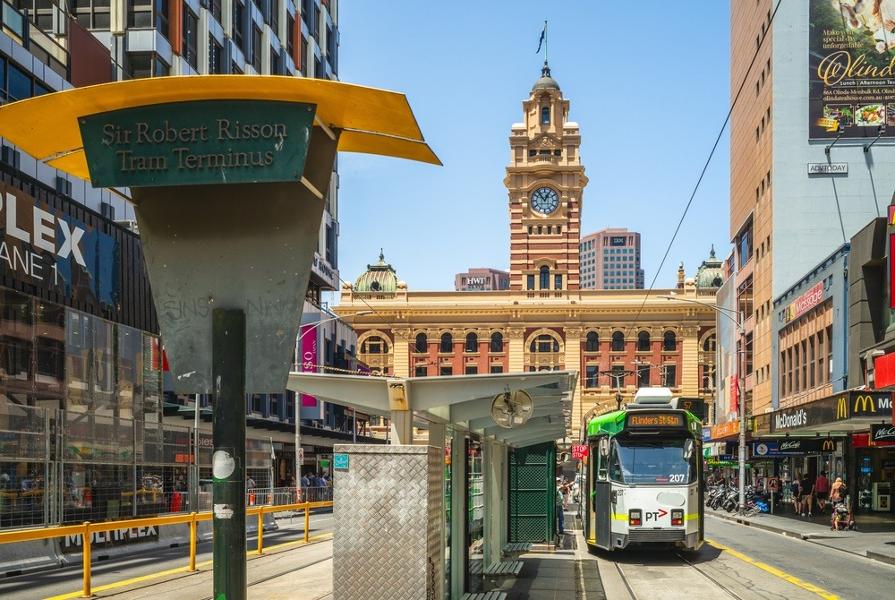
Today, there is only one direct line between Sydney and Melbourne: operated by NSW TrainLink (formerly CountryLink), via the XPT (Express Passenger Train), which connects Central Station (Sydney) to Southern Cross (Melbourne).
The journey takes approximately 10h50 and costs roughly between €70 and €140. The line operates four departures daily.
By Plane
The average flight duration between Sydney and Melbourne is just 1h30. Indeed, flying is the preferred solution for connecting the two cities. Numerous flights are offered by Qantas Airways, Virgin Australie and Jetstar.
Most flights depart from Melbourne Tullamarine Airport, located about twenty kilometers from the CBD (Central Business District) and arrive at Sydney Kingsford Smith Airport (Terminal 2). The cost of an airline ticket is approximately €100–150.
Road Trip by Car between Sydney and Melbourne: 3 Iconic Routes
1/ The Coastal Route (Sydney–Melbourne Coastal Drive)
Connecting Sydney and Melbourne via the coastal route allows you to discover all the beauty of the East Coast, from New South Wales to Victoria.
Jervis Bay
Renowned for its stunning white-sand beaches (among Australie's most beautiful), the bay is bordered by Booderee National Park—co-managed with Aboriginal communities. It also features lovely little coves, abundant wildlife and endemic vegetation.
Its iconic site is undoubtedly Jervis Bay Marine Park: a sublime marine reserve where you can observe dolphins, whales, seals, as well as scuba dive and snorkel.
Montague Island
Continuing southward along the coast, don't miss Montague Island. Accessible from the town of Narooma (in Eurobodalla Shire), it is also home to exceptional marine wildlife, discoverable by boat.
During your excursion, you may see dolphins, fur seals and humpback whales in spring (September to November). The island also hosts colonies of little penguins and several species of migratory birds!
Bermagui
35 km south of Narooma, on the Sapphire Coast, you'll find the charming coastal town of Bermagui. It is renowned for its deep-sea fishing trips and seafood restaurants.
Its finest natural attraction? The Blue Pool! This natural swimming pool is carved into the rock and opens onto the ocean... Bermagui's coastlines are also celebrated for the beauty of their seabed, ideal for snorkeling.
Mimosa Rocks National Park
A little further south, 30 minutes by car, take a break at Mimosa Rocks National Park. Featuring volcanic rock formations, eucalyptus forests, beaches and lagoons, it also boasts numerous hiking trails through which to discover the site's diverse landscapes.
The park also contains Aboriginal cultural heritage scattered throughout (situated on the traditional lands of the Yuin people). It's also possible to kayak and canoe on Wajurda Lagoon.
Ben Boyd National Park
The road-trip continues onward to Ben Boyd National Park. This park is home to the historic Boyd's Tower. The building was constructed in 1848 under the direction of Benjamin Boyd—a Scottish entrepreneur and prominent businessman in the British colony of New South Wales during the colonial era (but also a slave trader…).
The park features numerous hiking trails, including the Light to Light Walk, a coastal route of approximately 30 km, prized for its panoramic views where whale sightings are common!
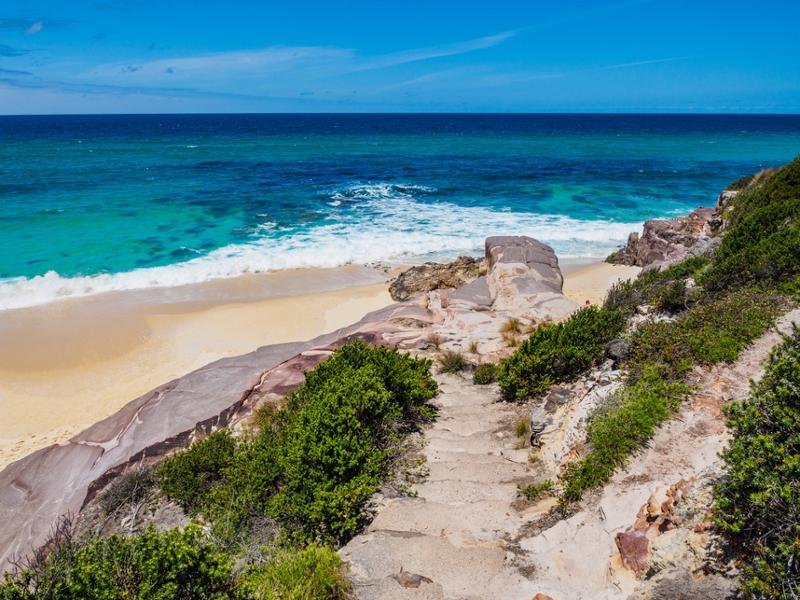
Nadgee Nature Reserve
Further south, Nadgee Nature Reserve offers an even wilder environment and hosts exceptional biodiversity. It is also situated on the ancestral lands of several Aboriginal tribes....
Its two main trails allow you to discover these natural treasures: the Bay Cliff Walking Track (accessible to all and ideal for families) and the Nadgee Wilderness Walk (a difficult 55 km hike between Merrica River and Mallacoota).
The Town of Mallacoota
Located at the entrance to the State of Victoria, Mallacoota is a quiet little town, situated on the border of Croajingolong National Park, a natural area designated a biosphere by UNESCO. Bordered by estuaries, lagoons and beaches: Mallacoota is an ideal stop for swimming and water activities. Perfect after several hours of driving. Between May and November, the town is also a prime spot for whale watching.
Croajingolong National Park
This park is a true little paradise, dotted with beaches, rainforests and dunes inhabited by a multitude of wildlife. The finest panoramic view is located at the summit of Genoa Peak, requiring about 2 hours of round-trip walking. The site is also a whale-watching spot, particularly at Quarry Beach: a superb beach known for its striated rocks that give it its name.
Wilsons Promontory Peninsula
Comprising forest trails, giant ferns, beaches and rocky areas, this isolated region is an exceptional habitat for numerous animal species. Our advice? Make a definite stop here, as kangaroos and wombats (one of the country's most popular animals, resembling a little bear cub, but with a polecat's head!) are commonly spotted.
Phillip Island
Finally, before arriving in Melbourne, make a detour to Phillip Island, which truly deserves the trip... Renowned for its marine fauna, it is also home to a large colony of little penguins, seals and whales. The island is perfect for swimming, kayaking or fishing, and is easily explored by bike.
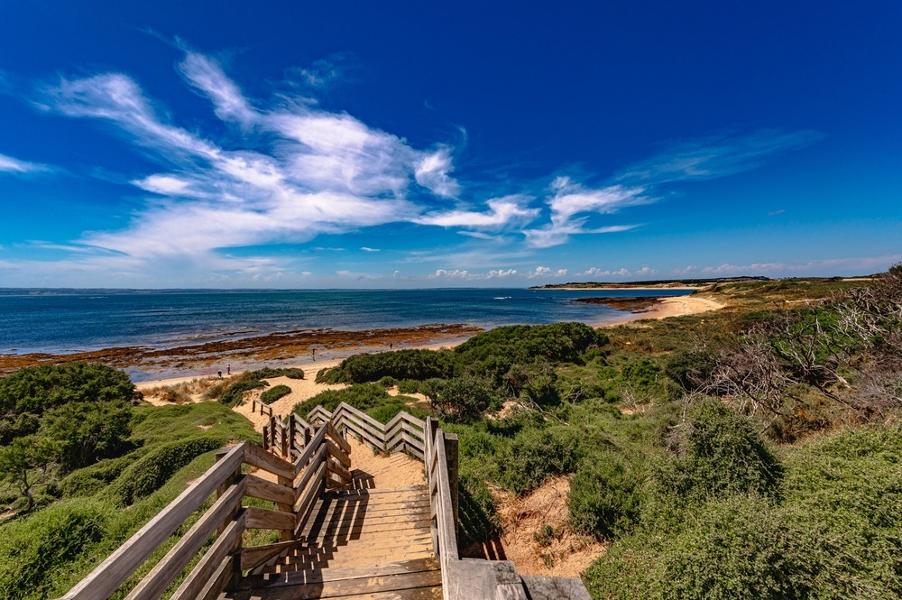
Duration of the itinerary For a road-trip from Sydney to Melbourne via the Coastal Drive, plan for a minimum of 10 to 12 days. If you plan to go hiking, take a sea excursion, or make stops on Montague and/or Phillip Islands, allow at least 15 days. Note that by following the coasts, the distance between Sydney and Melbourne extends over more than 1,300 km. The shortest distance is via the Hume Highway (M31), inland. This is the main road linking Sydney to Melbourne, at 880 km between the two cities. |
2/ The Australian Alps Route (Great Alpine Road)
The Great Alpine Road is a renowned tourist route that crosses a wide variety of landscapes inland. It is named the "Australian Alps" route because of its few high peaks and ski stations, but it is rather rolling countryside, conducive to walks and outdoor sports (cycling, outdoor activities and spring hiking, etc.).
Wangaratta (or Rutherglen)
The Australian Alps route does not officially start from Sydney (located on the East Coast), but from Wangaratta—a small town in northeastern Victoria, in the hinterland. It takes approximately 6h30 of driving from Sydney to reach it, using the Hume Highway (M31). In winter, Wangaratta is considered the gateway to several ski stations, including Falls Creek.
You can also start the circuit from Rutherglen, a small rural town surrounded by vineyards. The region is popular for its famous Rutherglen Loops: a loop of cycling trails connecting the main wine estates and best cellars. It is an ideal starting point for food connoisseurs.
Mount Baw Baw
Approximately 30 km from Rutherglen, venture to discover the Baw Baw Plateau. A very popular ski station in winter, Mount Baw Baw Plateau is also an incredible playground for nature lovers, in all seasons. What's on the agenda? Superb mountain biking rides through blue trails—intermediate-level courses.
Mount Stirling
A little further on, in the heart of Mansfield Shire, 2h30 driving from Baw Baw, don't miss Mount Stirling. Its slopes can be explored on foot, mountain bike or horseback rides! This supervised activity is quite common during summer, between November and April. These excursions promise wonderful moments through alpine valleys and forests. In winter, the station offers 60 km of cross-country skiing tracks.
Gippsland Lakes
For this final leg of the road-trip: head to the coast! Approximately 3h30 driving from Mount Stirling, you'll find Gippsland Lakes. This vast system (of lagoons, marshes and lakes) spans over 400 sq km, east of the Bairnsdale region. Recognized as Australie's great wetland area, Gippsland Lakes has been on the prestigious Ramsar list of sites since 1982...
This protected zone is home to exceptional biodiversity, with nearly 20,000 waterfowl (including rare species like the Latham's parakeet), as well as hundreds of plant species and endemic animals. Part of the Gippsland complex is connected to the ocean, where dolphins can be seen (notably around Lakes Entrance).
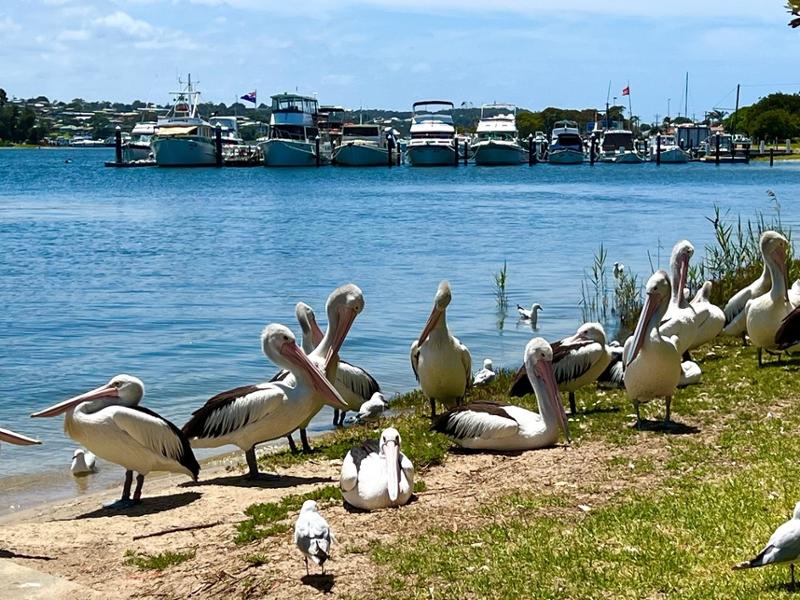
Bairnsdale
Just 30 minutes from the Ramsar site, you'll find the town of Bairnsdale—the penultimate stage of the journey. Endowed with a rich historical and cultural heritage, Bairnsdale is also the largest city in East Gippsland (with 17,000 residents). During your stop, don't miss St Mary's Catholic Church and its legendary frescoes.
Nearby, you'll also find Mitchell River National Park, dotted with dense forests and gorges... A trail of about twenty kilometers leads to the Den of Nargun—a cave surrounded by Aboriginal legends.
What's next? All that remains is to cover 280 km to reach Melbourne! Allow approximately 3h10 of driving.
Focus on the Great Alpine Road in Winter The Australian Alps route is open year-round, but it can be partially closed in winter in snowy areas. If you plan to visit its ski stations, remember to rent chains. The main ski stations on this route are: ● Hotham, which is home to the highest point of the High Country. This station is considered Australie's "powder capital" due to its snowfall quantity and quality. ● Falls Creek is a station covering 300 hectares of ski terrain, with expert, intermediate, advanced (51% of the domain) and beginner slopes (5%). Falls Creek also has a superb 2.5 km luge run at Windy Corner. ● Buller, this station is home to a 2.5 km run offering superb panoramas across the alpine ridges. This station is ideal for families, as it features several sledding areas, snowparks and numerous ski schools. |
3/ The Historic Route (Sydney–Melbourne Heritage Drive)
This Sydney–Melbourne circuit crosses emblematic sites in the country's political, colonial and agricultural history...
Goulburn
Goulburn is a major wool-producing town. During your stop, you can admire The Big Merino: a gigantic concrete statue 15 meters tall and 18 meters long, symbolizing the wool industry, which shaped the region's economy...
Another point of interest? The Rocky Hill War Memorial and Museum. This museum, which overlooks the town (and offers panoramic views of the surroundings), highlights the importance of soldiers from the region during military conflicts.
Canberra
Continuing south toward the nation's capital! A major political center, the city is home to Parliament where all major decisions are made... One of them? The Native Title Act passed in 1993: a text of high historical value, as it recognizes the land rights of Aboriginal peoples over their ancestral lands.
During your stop in Canberra, also take a detour to the Australian War Memorial. Between reflection and discovery, the museum offers immersion in the country's military history, with modern and interactive museography.
An anecdote? Australie's eighth-largest city, Canberra was designated the world's best city due to its excellent quality of life! The city is also celebrated for its trendy neighborhoods, small art galleries and community events.
Wagga Wagga
Further south, you'll find Wagga Wagga; intimately linked to the country's colonial history. First the territory of the Wiradjuri (an Aboriginal people present for millennia), the region was colonized in the early 19th century by European settlers. During this period, many farms and pastures were created to develop the agricultural economy…
From this era, buildings remain, including houses, a few farms and St Michael's Cathedral. The town's name comes from the Wiradjuri language and means "crow-crow".
Albury-Wodonga
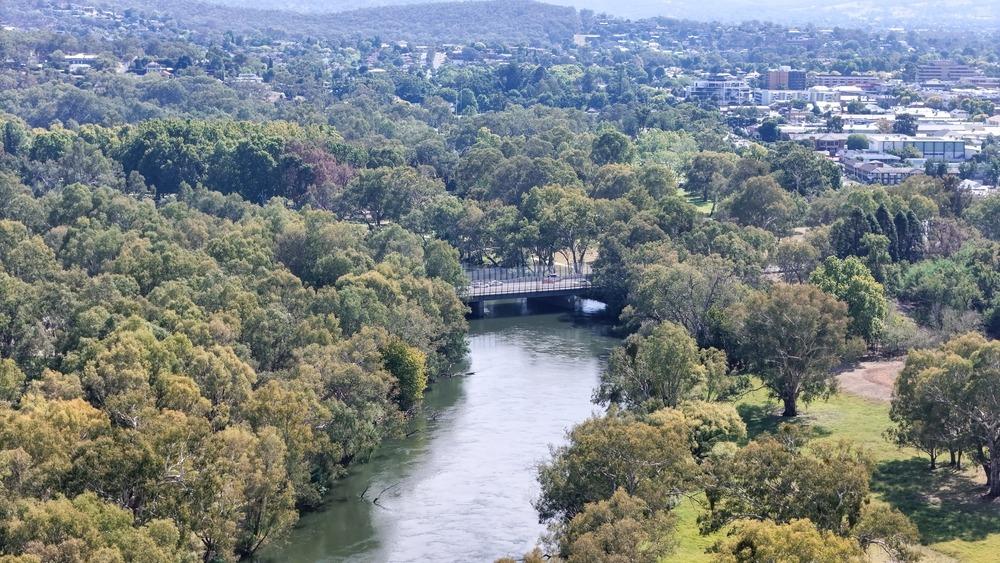
Located at the border between New South Wales and Victoria: Albury and Wodonga are two separate municipalities divided by the Murray River (but usually visited together). They form a strategic location in the country's water planning and management, thanks to the Hume Dam (one of Australie's largest).
Lake Hume is also an ideal spot for various water sports, such as kayaking or jet skiing. But also for a picnic by the water…
Glenrowan
For this penultimate stage: discover the history of the legendary village of Glenrowan! Why legendary? Because it's where Ned Kelly, an outlaw (rebelled against the colonial system), but also a popular hero who defended minorities, was captured…
To learn more about this legendary figure, visit the Ned Kelly Memorial Museum and Homestead, and walk the Siege Precinct Walk—a marked trail that lets you walk in Ned Kelly's footsteps and retrace his journey until his capture in 1880.
What's next? All that remains is to cover 236 km toward Melbourne to conclude this road-trip... Allow approximately 2h30 of driving.
About Australian Heritage Routes The Heritage Drive proposed here is not an official tourist route, but rather an itinerary crossing historically important sites in the country's history between Sydney and Melbourne. Official heritage routes include: ● Golden Quest Discovery Trail, a route retracing the gold rush period from 1890 to 1910 in the Goldfields region, ● Golden Pipeline Heritage Trail, which follows the pipeline that transported drinking water to mining towns from the Perth region. ● Fossickers Way, which crosses Tamworth to Glen Innes; regions known for their precious stone deposits. |
FAQ -
What license is required to drive in Australie?
It is possible to drive in Australie for up to 3 months after arrival, provided the French license is accompanied by an international driving permit or an official NAATI translation. Two solutions are possible:
Request an international driving permit before departure, via the ANTS website: this is a free process, but wait times can exceed 6 months!
Have your license translated by a certified NAATI translator: this solution is faster (translation completed within 24–48 hours) but comes at a cost. It is also recommended, as some Australian states require NAATI translation—even if you have an international driving permit.
Sydney and Melbourne do not require NAATI translation either; however, it is highly recommended, as regulations evolve and certain procedures (car rental, insurance, etc.) may require it.
Which city to choose between Sydney and Melbourne?
Both Australian cities offer a different experience. The choice between the two therefore depends on the type of trip desired. On one hand, Sydney is ideal for outdoor activities, with iconic beaches (like Bondi or Manly), walks along the bay, botanical garden visits, etc. On the other, Melbourne is a more cultural destination, with numerous museums, the alternative Fitzroy district and the street-art works of Hosier Lane.
Is it cheaper in Sydney or Melbourne?
These two metropolises are Australie's two most expensive cities. Sydney, larger and more touristy, remains the pricier of the two. For example, at equal standard, a hotel room costs an average of 10 to 15% more there than in Melbourne. In short, the budget to plan for Sydney is slightly higher.